
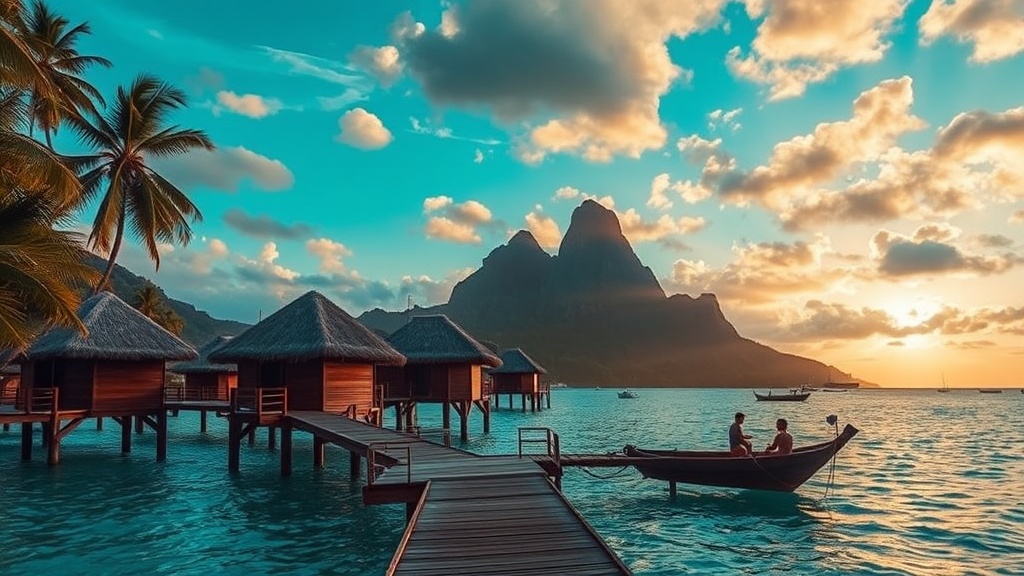
Why You Should Visit the Islands of Polynesia

Azure waters meet white sand shores across the vast expanse of the South Pacific, creating a landscape of volcanic peaks and coral atolls known as Polynesia. This massive region, encompassing thousands of islands across the Pacific Ocean, offers travelers a diverse range of experiences from high-end luxury overwater bungalows to rugged, untouched wilderness. This guide explores why the islands of Polynesia—including French Polynesia, Samoa, Tonga, and the Cook Islands—should be your next major travel destination, focusing on the specific cultural, recreational, and logistical reasons to visit.
The Diverse Geography of the Polynesian Triangle
Polynesia is not a single destination but a vast cultural and geographical area defined by the "Polynesian Triangle." Understanding the different types of islands within this region is essential for planning your trip, as the terrain dictates the activities available to you. Most islands fall into two distinct categories: high islands and low islands.
High Islands: Volcanic Majesty
High islands, such as Tahiti in French Polynesia, Moorea, and Samoa, are formed by volcanic activity. These islands are characterized by dramatic, jagged mountain peaks, lush tropical rainforests, and fertile valleys. Because of their elevation, these islands often feature cascading waterfalls and hiking trails that provide panoramic views of the ocean. If you are looking for adventure and varied topography, these are your best options. For example, the island of Moorea offers excellent trekking opportunities through pineapple plantations and steep volcanic ridges.
Low Islands: Coral Atolls and Lagoons
Low islands, such as those found in the Cook Islands or parts of Tuvalu, are coral atolls. These are essentially rings of coral reef that surround a central lagoon. These islands are much flatter and lower in elevation, often sitting only a few meters above sea level. While they lack the mountain scenery of high islands, they offer the most pristine, shallow turquoise lagoons in the world. These locations are ideal for travelers who want to stay close to the water and enjoy calm, crystal-clear environments for swimming and paddleboarding.
Unparalleled Marine Life and Water Activities
The primary draw for most visitors to Polynesia is the quality of the marine ecosystems. The region contains some of the most well-preserved coral reefs on the planet, providing a natural playground for water enthusiasts. Whether you are an experienced diver or a casual swimmer, the biodiversity here is unmatched.
Snorkeling is a staple activity in the region. In places like Bora Bora or Aitutaki, the lagoons are so clear that you can observe tropical fish, sea turtles, and manta rays from several meters above the seabed. To get the most out of this experience, it is highly recommended to use high-quality gear and follow local conservation guidelines. For more tips on maximizing your time underwater, read our guide on why you should try snorkeling in local coral reefs.
- Manta Ray Snorkeling: In many parts of French Polynesia, specialized tours take you to cleaning stations where you can observe giant manta rays up close.
- Surfing: The breaks in Polynesia are legendary. While some waves are reserved for professionals, many islands offer consistent, manageable swells. For instance, the north shores of certain islands provide excellent conditions for those looking for tropical destinations for surfing beginners.
- Deep Sea Fishing: The deep waters surrounding the volcanic islands are home to marlin, tuna, and mahi-mahi, making it a premier destination for sport fishing.
Rich Cultural Heritage and Traditions
Visiting Polynesia is not just about the scenery; it is about engaging with a living, breathing culture that has remained deeply connected to the ocean for millennia. Unlike many tropical destinations that have become purely commercialized, many Polynesian islands maintain strong traditional customs, languages, and social structures.
The concept of Mana—a spiritual energy or power that resides in people, places, and objects—is central to Polynesian life. You can witness this through traditional dance, such as the Tahitian 'Ori or the Samoan Siva, which are far more than just performances; they are storytelling mediums used to convey history and lineage. Engaging with local communities through village tours or traditional feasts (such as the Fijian Lovo or Tahitian Ahima'a) provides a deeper understanding of the region's hospitality and social etiquette.
When visiting, it is important to respect local customs. In many islands, particularly in Samoa and Tonga, modest dress is expected when entering villages or religious sites. Observing these small details shows respect for the local way of life and enhances your travel experience.
Culinary Experiences: From Ocean to Table
The food in Polynesia is a direct reflection of its environment. The diet is heavily reliant on fresh seafood, tropical fruits, and root vegetables like taro and breadfruit. Because many islands are remote, the ingredients are often sourced locally, ensuring high quality and freshness.
One of the most iconic ways to experience Polynesian cuisine is through traditional cooking methods. In many islands, food is cooked in an earth oven—a pit lined with heated stones and covered with large leaves. This slow-cooking process imparts a unique smoky flavor to meats and vegetables. You might try Poisson Cru in French Polynesia, which consists of raw tuna marinated in lime juice and fresh coconut milk. It is a refreshing, light dish that perfectly captures the essence of a tropical lunch.
For travelers who enjoy dining out, the options range from high-end resort dining to casual beachside "fish markets." In many coastal towns, you can purchase fresh catch of the day directly from local fishermen and have it prepared for you at a nearby stall, ensuring you are eating the freshest possible ingredients.
Practical Travel Tips for Polynesia
Planning a trip to the South Pacific requires more foresight than a standard Caribbean vacation due to the distances involved and the remote nature of the islands. To ensure a smooth journey, consider the following practical advice:
Transportation and Logistics
Moving between islands often requires domestic flights or boat transfers. In French Polynesia, Air Tahiti is the primary carrier, and it is essential to book these in advance, especially during peak seasons like July and August. If you are traveling between smaller atolls, look into private boat charters or local ferries, but be prepared for slower transit times compared to air travel.
Packing Essentials
The tropical climate is consistently warm and humid. Pack lightweight, breathable fabrics like linen and cotton. However, do not forget that many Polynesian islands can experience sudden tropical showers. A lightweight, waterproof rain shell is a smart addition to your luggage. Additionally, since you will be spending much of your time in and around the water, high-quality reef-safe sunscreen is a necessity to protect both your skin and the delicate coral ecosystems.
Managing Your Gear
Because you will likely be transitioning between boats, sandy beaches, and hotel rooms, keeping your belongings organized is key. To keep your environment clean, follow our advice on how to keep your sand away from the car and hotel. Using dry bags for your electronics and a dedicated footwear bag for your sandals will make navigating the various island terrains much easier.
When to Visit
Polynesia experiences two main seasons: the wet season and the dry season. The best time to visit is generally during the dry season, which runs from May to October. During these months, the weather is more predictable, with lower humidity and less rainfall, making it ideal for outdoor adventures and water sports. While the wet season (November to April) can offer lower prices and fewer crowds, you should be prepared for higher humidity and the possibility of tropical storms.
Regardless of when you choose to go, the islands of Polynesia offer a profound sense of connection to nature and tradition. Whether you are seeking the adrenaline of a deep-sea dive, the tranquility of a remote atoll, or the cultural richness of a volcanic village, this corner of the Pacific provides an unparalleled escape from the routine of modern life.