
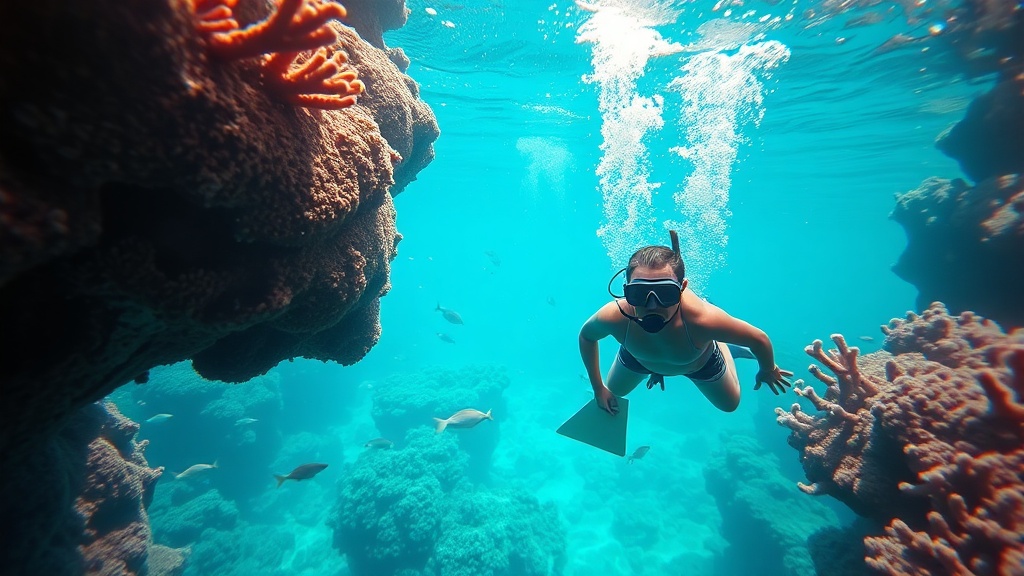
Why You Should Try Snorkeling in Local Coral Reefs

Many travelers believe that world-class snorkeling requires a specialized scuba certification or a high-priced private boat excursion to remote islands. This is a misconception that limits your ability to experience the most vibrant marine ecosystems. In reality, many of the most spectacular coral reefs are accessible directly from the shoreline, often just a short swim from your resort or public beach. This guide explains why snorkeling in local coral reefs is a vital part of a tropical vacation, how to choose the right gear, and the specific techniques you need to protect these fragile environments while maximizing your view of the underwater world.
The Ecological Value of Local Coral Reefs
Coral reefs are often referred to as the "rainforests of the sea" because they support a disproportionate amount of marine biodiversity. While deep-sea exploration is impressive, the shallow, sun-drenched reefs near coastlines are where the most intense biological activity occurs. These reefs serve as nurseries for fish species, breaklines for storm surges, and vital habitats for crustaceans and mollusks.
By choosing to snorkel in local reefs rather than strictly seeking out deep-sea diving, you are engaging with a dynamic ecosystem that is highly sensitive to human presence. Understanding the biology of the reef helps you become a more responsible traveler. For example, knowing that hard corals like Acropora (Staghorn coral) are extremely brittle and grow only a few millimeters per year changes how you navigate the water. When you visit popular destinations like the Great Barrier Reef in Australia or the Mesoamerican Barrier Reef in Belize, you are witnessing a living structure that requires active stewardship.
Why Proximity Matters
Snorkeling near the shore—often called "shore snorkeling"—offers several practical advantages over boat-based excursions:
- Cost-Effectiveness: You eliminate the high cost of boat rentals and fuel surcharges.
- Schedule Flexibility: You are not tied to a tour operator's rigid departure times. You can head into the water whenever the light and tide are optimal.
- Safety Control: You maintain control over your depth and distance from the shore, which is essential for beginners or those traveling with children.
- Environmental Impact: Boat anchors can cause catastrophic damage to coral heads. Shore snorkeling minimizes the physical footprint on the seabed.
Essential Gear for High-Visibility Snorkeling
To get the most out of a local reef excursion, you cannot rely on low-quality rental equipment. High-quality gear directly impacts your ability to see detail and breathe comfortably, which in turn determines how long you can stay in the water.
The Mask: Fit and Seal
A mask that leaks is a distraction that ruins the experience. When shopping, look for a silicone skirt rather than a plastic or rubber one; silicone conforms much better to the contours of your face. A crucial test is the "suction test": press the mask against your face without the strap and inhale through your nose. If the mask stays stuck to your face for a few seconds, it has a good seal. For maximum visibility, choose a mask with tempered glass lenses to prevent fogging and ensure clarity.
The Snorkel: Dry vs. Semi-Dry
For local reefs where you might encounter small waves or surface chop, a dry snorkel is highly recommended. These feature a float valve at the top that automatically seals the tube if water enters, preventing you from inhaling saltwater. If you are snorkeling in calm, protected lagoons, a semi-dry or traditional J-tube snorkel is sufficient and offers less air resistance.
Fins and Wetsuits
Fins provide the propulsion necessary to fight light currents. For shore snorkeling, full-foot fins are often more comfortable than open-heel fins that require heavy boots. If you are visiting cooler tropical regions like the Maldives or parts of the Caribbean during the "cooler" months, a 2mm neoprene wayfarer or shorty wetsuit can prevent hypothermia and protect your skin from jellyfish stings.
Before heading out, ensure you have checked the ultimate beach packing list to ensure you haven't forgotten essential sun protection or specialized gear.
Techniques for Successful Reef Exploration
Effective snorkeling is a combination of buoyancy control and visual scanning. If you are constantly splashing or struggling to stay afloat, you will miss the subtle movements of the marine life below.
Mastering Buoyancy and Movement
The biggest mistake beginners make is "flutter kicking" too aggressively. Rapid, shallow kicks create turbulence that can stir up sand, obscuring your view and potentially smothering coral polyps. Instead, use long, slow, rhythmic kicks with your legs. Keep your core stable and avoid using your hands to paddle; your hands should be kept close to your body or used only for minor balance adjustments. This minimizes your physical footprint and keeps the water clear.
The Art of Observation
Do not look directly down at your feet. To see the true scale of a reef, look slightly ahead of you. This allows you to see the topography of the reef and anticipate any changes in current or depth. When you spot a fish, do not chase it. Most reef fish, such as Paracanthurus hepatus (Blue Tang) or various species of Wrasse, will flee if they sense a large, fast-moving object. Instead, hover in place and wait for them to return to their natural behavior.
Navigating Currents and Tides
Even in shallow water, currents can exist. Before entering the water, observe the direction of the waves and the movement of the surface water. A common rule of thumb is to swim with the current rather than against it. If you are snorkeling near a shore, it is often best to swim parallel to the beach for a while before heading back in, ensuring you don't get swept away from your entry point.
Environmental Ethics: How to Be a Responsible Snorkeler
The beauty of local reefs is a finite resource. As a visitor, your primary goal should be to observe without impact. The following rules are non-negotiable for any respectful traveler.
The "No Touch" Rule
It is tempting to reach out and touch a sea star, a sea cucumber, or a piece of coral, but even a light touch can be devastating. The protective mucus layer on many marine animals is easily stripped away, leaving them vulnerable to bacteria and disease. Furthermore, many corals are incredibly fragile; a single kick from a fin can destroy decades of growth. Always maintain a distance of at least two feet from any living organism.
Sunscreen and Chemical Sensitivity
Standard sunscreens often contain Oxybenzone and Octinoxate, chemicals that have been scientifically proven to cause coral bleaching. When visiting reef-heavy destinations like Hawaii or the Seychelles, you must switch to "Reef Safe" sunscreens. These typically use non-nano zinc oxide or titanium dioxide as active ingredients. If you cannot find a certified reef-safe brand, consider wearing a UV-rated rash guard to minimize the amount of lotion you need to apply.
Avoid Feeding the Fish
While it may seem harmless to toss a piece of bread or a cracker to the fish, "fish feeding" disrupts the natural ecosystem. It teaches fish to associate humans with food, often leading to aggressive behavior toward swimmers. More importantly, it alters the natural diet and nutrient cycles of the reef, which can lead to an overpopulation of certain species and a decline in others, eventually unbalancing the entire reef structure.
Practical Tips for Your First Local Reef Session
- Check the Weather and Tide: Use an app like Windy or check local maritime reports. High winds can create rough surface conditions that make snorkeling difficult and dangerous.
- Time Your Visit: The best time for snorkeling is usually mid-morning (between 10:00 AM and 12:00 PM). The sun is high enough to penetrate the water for maximum visibility, but the light is not so harsh that it creates excessive glare on the surface.
- Go with a Buddy: Never snorkel alone, even in shallow water near your hotel. A buddy system ensures that if you experience a cramp or a gear malfunction, someone is there to assist.
- Watch the Sea Floor: Be mindful of where you step. If you must walk through a shallow area to reach the reef, look for sandy patches or rock formations that are devoid of coral.
By treating local coral reefs with respect and preparing with the right equipment, you transform a simple swim into a profound educational experience. You aren't just a spectator; you are a witness to one of the most complex and beautiful biological systems on Earth.