
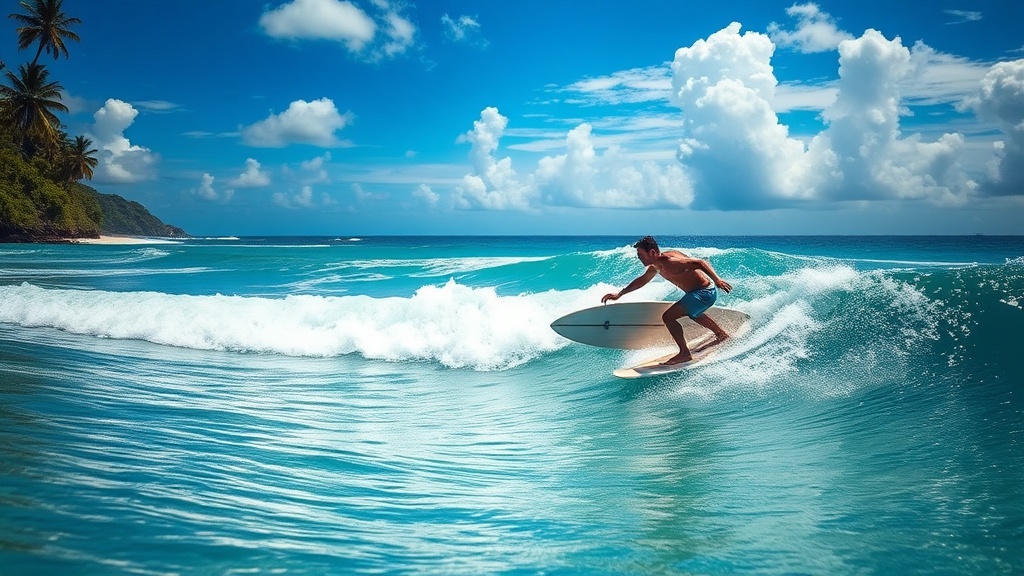
Best Tropical Destinations for Surfing Beginners

Bali, Indonesia
Siargao, Philippines
Costa Rica Coast
North Shore, Oahu
This guide identifies the best tropical destinations for beginner surfers, focusing on locations with consistent, gentle waves, professional coaching availability, and beginner-friendly beach breaks. You will learn which specific regions offer the safest swell conditions, the best time of year to visit for learning, and what essential gear you need to start your surfing journey.
Essential Factors for Beginner Surf Destinations
Choosing a surf spot as a novice requires more than just finding a beautiful beach. To ensure a successful learning experience, you must prioritize specific geographical and environmental factors. Beginners should look for beach breaks—waves that break over sand rather than coral reefs or rock—as these are much more forgiving if you fall. Additionally, look for long, rolling waves that provide ample time to practice your "pop-up" technique.
The presence of certified surf schools is another critical factor. A reputable school will provide high-volume foam boards (often called "soft tops"), which are safer for both the student and others in the water. Before booking, check if the instructors hold certifications from recognized bodies like the ISA (International Surfing Association). Finally, consider the seasonality of the swell; many tropical regions have specific months where the waves are too large or aggressive for beginners.
1. Bali, Indonesia: The Gold Standard for Learning
Bali is widely considered one of the premier destinations for surfers of all levels. While famous for heavy, professional-grade waves at Uluwatu, the island offers numerous beginner-friendly spots that are perfect for building foundational skills.
Kuta and Canggu Beaches
Kuta Beach is arguably the most famous spot for absolute beginners. The seabed is sandy, and the waves are generally predictable and gentle. Most surf schools in Kuta utilize longboard foam boards, which offer the stability needed to find your balance. Canggu is another excellent option, offering slightly more consistent swells but still maintaining a sandy bottom that is safe for those still mastering their balance.
Best Time to Visit
For the most consistent swell, the dry season from May to September is ideal. However, because Bali has so many varied coastlines, you can find manageable waves throughout much of the year. If you are traveling with gear, ensure you pack the perfect tropical beach bag to keep your wax, leash, and sunscreen organized.
2. Costa Rica: Consistent Waves and Warm Water
Costa Rica offers a tropical environment that is highly conducive to learning due to its warm water temperatures and consistent Atlantic and Pacific swells. The country's commitment to eco-tourism means many surf camps are integrated into beautiful, natural settings.
Santa Teresa and Nosara
Nosara, specifically the area around Playa Guiones, is a top-tier recommendation for beginners. The waves here tend to be long and slow-moving, which provides the necessary time to practice the transition from paddling to standing. Santa Teresa offers a more high-energy atmosphere with plenty of surf hostels and schools that cater specifically to the "digital nomad" and beginner crowd. The sandy bottoms in these areas minimize the risk of injury during falls.
Practical Tips for Costa Rica
The water is warm year-round, so you likely won't need a wetsuit, but a rash guard is essential to prevent chafing from your board. Because the sun is intense in Central America, staying hydrated is vital. You can beat the tropical heat with hydration-rich local fruits like watermelon and coconut water between sessions to maintain your energy levels.
3. The Philippines: Thousands of Islands and Gentle Swells
The Philippines is an archipelago that offers a vast range of surf breaks. For beginners, the focus should be on the islands of Siargao and La Union, which provide a more approachable surf culture than the heavy barrels found elsewhere in the country.
Siargao Island
While Siargao is world-renowned for the "Cloud 9" break, the surrounding areas offer much gentler waves suitable for novices. Many local instructors specialize in teaching beginners how to read the ocean and time their paddle-outs. The swell in Siargio is often characterized by long, peeling waves that are perfect for practicing your stance.
La Union
Located on the northwest coast of Luzon, La Union is the go-to spot for domestic and international travelers looking for a more laid-back, consistent surf environment. The waves here are generally not too heavy, making it an ideal place to spend a week focusing solely on your technique without the pressure of advanced crowds.
4. Oahu, Hawaii: The Ultimate Surfing Mecca
While Hawaii is often associated with massive, dangerous waves, Oahu offers incredible opportunities for beginners if you know where to go. The North Shore is for experts, but the South and West shores are much more welcoming to novices.
Waikiki Beach
Waikiki is perhaps the most iconic beginner surf spot in the world. The waves are long, slow, and break over a gentle slope, making it the perfect environment to practice longboarding. The water is relatively shallow and the swell is much more manageable than the heavy breaks found further north. There is a high density of surf schools in the Waikiki area, ensuring you can get professional instruction easily.
The North Shore (Beginner Friendly Spots)
Even on the North Shore, there are areas like Haleiwa that offer more manageable conditions during certain seasons. However, always check the swell forecast before heading out, as conditions can change rapidly in Hawaii.
Essential Beginner Surf Gear Checklist
Before you head to the beach, ensure you have the correct equipment. Using the wrong gear can hinder your progress and increase the risk of injury.
- Soft-Top Longboard: These boards are larger, more buoyant, and have a foam exterior. This makes them easier to paddle and much safer when a board hits you or someone else.
- Rash Guard: Essential for preventing skin irritation from the board and providing UV protection.
- Surf Wax: Choose a wax appropriate for the water temperature of your destination (e.br., "Tropical Wax" for Bali vs. "Cool Water Wax" for certain seasons in Hawaii).
- Leash: A high-quality leash ensures your board stays close to you after a wipeout.
- Zinc Oxide Sunscreen: Standard sunscreen often washes off too quickly; a thick zinc-based stick provides better protection for your face.
Safety and Etiquette for New Surfers
Surfing is a social sport with unwritten rules designed to keep everyone safe. Understanding these rules will help you integrate into the surf community more effectively.
- Respect the Lineup: The "lineup" is the area where waves are breaking. Do not paddle out directly in front of someone who is already on a wave.
- One Person Per Wave: Only one person should be riding a specific wave at a time. "Dropping in" on someone is the most common breach of etiquette.
- Know Your Limits: Do not attempt to paddle out into heavy surf if you are not comfortable. Always observe the waves from the shore for at least 15 minutes before entering the water.
- Watch the Current: Be aware of rip currents. If you find yourself being pulled away from the shore, do not fight the current directly; instead, swim parallel to the beach until you are out of the current.
As you enjoy your tropical adventures, remember to be mindful of your surroundings. After a long day in the ocean, you may have plenty of sand on your gear. To keep your sand away from the car and hotel, consider bringing a dedicated mesh bag or a portable outdoor shower kit to rinse off before heading indoors.