
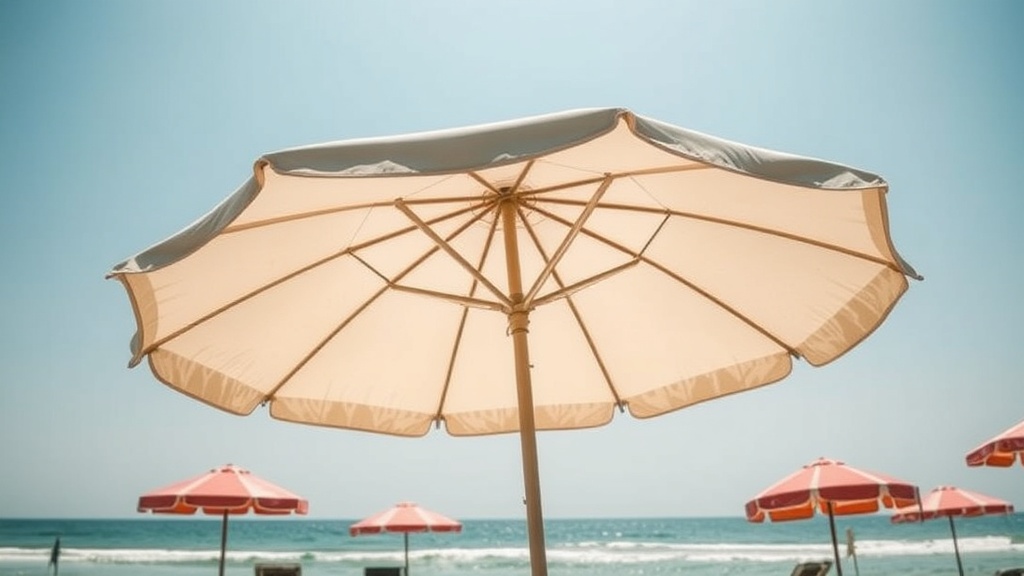
How to Choose the Right Beach Umbrella for Your Trip

A golden stretch of sand in Maui or a crowded shoreline in the Algarve requires more than just sunscreen to stay comfortable; it requires reliable shade. Choosing the wrong beach umbrella can result in sunburns, a ruined reading session, or a broken piece of equipment caught in a sudden sea breeze. This guide provides the technical specifications and practical criteria you need to select the perfect sun protection for your next tropical getaway, ensuring you spend more time relaxing and less time fighting the elements.
Evaluate the Canopy Material and UV Protection
The primary function of a beach umbrella is to block harmful ultraviolet (UV) radiation. Not all fabrics are created equal, and a standard polyester canopy may offer significantly less protection than specialized materials. When shopping, look specifically for a high UPF (Ultraviolet Protection Factor) rating.
Understanding UPF Ratings
While SPF (Sun Protection Factor) refers to sunscreens applied to the skin, UPF refers to the fabric's ability to block UV rays. A rating of UPF 50+ is the gold standard for beach gear, meaning the fabric allows only 1/50th of the UV radiation to pass through. If you are traveling to high-UV destinations like the Maldives or the Caribbean, do not settle for an umbrella that does not explicitly state its UPF rating.
Fabric Durability and Breathability
High-quality umbrellas often use heavy-duty polyester or specialized nylon. Look for "solution-dyed" fabrics, which are treated during the manufacturing process to ensure the color and UV protection do not fade after a few trips to the coast. Additionally, consider the breathability of the material. A canopy that is too thick may trap heat underneath, creating a "greenhouse effect" that makes the shade feel stifling. Some premium models, such as those from brands like Coolaroo, incorporate mesh vents to allow heat to escape while maintaining shade.
Determine the Optimal Size and Shape
The size of your umbrella should be dictated by two factors: the number of people using it and the intended use (e.g., lounging versus dining).
- Single Person/Compact: These usually have a diameter of 4 to 5 feet. They are ideal for solo travelers or those looking to minimize luggage weight. These are perfect for quick trips to a beach club or a small footprint on a crowded shore.
- Family/Group Size: For a group of 3 to 4 people, look for a diameter of at least 6 to 7 feet. This provides enough room for people to sit without constantly bumping into the pole or the edges of the canopy.
- Shape Considerations: Round umbrellas are the standard for 360-degree coverage, but rectangular or square umbrellas are becoming popular for "beach cabana" styles. Square umbrellas provide more shade in a specific direction, which is useful if you are setting up a permanent station near a rental cottage.
Remember to pack a beach bag that can accommodate the smaller, more portable umbrella models if you are traveling light.
Assess the Frame Construction and Weight
The frame is the skeleton of your shade, and its quality determines how much wind resistance the umbrella can handle. A flimsy frame is a safety hazard in coastal environments where wind gusts are unpredictable.
Material Types
Aluminum: Most modern beach umbrellas use aluminum because it is lightweight and naturally resistant to rust. This is essential for saltwater environments. Aluminum frames are easier to transport in a car or a suitcase but can be more susceptible to bending in extremely high winds.
Fiberglass: High-end beach umbrellas often utilize fiberglass ribs. Fiberglass is superior to aluminum in windy conditions because it has a slight "flex" capability. Instead of snapping or bending permanently, fiberglass ribs can bend with a gust and spring back into shape. If you are visiting a windy destination like the Outer Banks or the coast of Portugal, fiberglass is a necessary investment.
The Importance of the Pole
Check the thickness of the center pole. A thin, hollow aluminum pole will wobble significantly if the sand is even slightly loose. A thicker, reinforced pole provides a much more stable base. If you are using a portable umbrella that must be carried, ensure the pole is telescopic to save space in your gear.
Stability and Anchoring Systems
An umbrella is only as good as its ability to stay upright. On a sandy beach, a standard tripod base will not work; you need a specialized anchoring system designed for granular surfaces.
Sand Anchors and Stakes
There are three main types of anchors you will encounter:
- Screw-in Anchors: These resemble a large corkscrew. You twist the base into the sand, creating a deep, secure hold. These are highly effective in dry, loose sand.
- Sandbags: Often used with tripod bases, these are heavy-duty bags that you fill with sand once you reach your destination. They provide weight and stability but are cumbersome to pack.
- Integrated Spike Bases: Many portable umbrellas come with a built-in plastic or metal spike at the bottom of the pole. While convenient, these are often less stable than dedicated screw-in anchors in high winds.
If you plan on frequent travel, look for an umbrella that includes a dedicated sand anchor kit. This prevents the frustration of having to find or buy one at a local convenience store upon arrival.
Portability and Transport Logistics
Before purchasing, consider how you will actually get the umbrella from your accommodation to the shoreline. A massive, heavy-duty cabana might be great for a backyard, but it is impractical for a traveler.
Weight vs. Protection
There is always a trade-off between the level of UV protection and the weight of the umbrella. If you are taking a ferry between islands—perhaps while exploring island hopping in the Mediterranean—you will want a lightweight aluminum model that can be easily carried on your shoulder or tucked into a rolling bag.
Storage Solutions
Look for umbrellas that come with a dedicated carrying sleeve. This protects the fabric from sand and salt during transit and prevents the ribs from snagging on other items in your luggage. A sleeve with a shoulder strap is a significant advantage for long walks across dunes.
Summary Checklist for Buyers
To ensure you make the right decision, use this quick checklist before finalizing your purchase:
- Is the UPF rating 50+? (Crucial for skin safety)
- Is the frame made of fiberglass or heavy-duty aluminum? (Essential for wind resistance)
- Does it include a sand anchor? (Necessary for stability in beach environments)
- What is the weight and folded length? (Important for transport and luggage planning)
- Is the fabric solution-dyed? (Ensures longevity and color retention)
By prioritizing these technical aspects over aesthetic design, you ensure that your beach day remains a relaxing experience rather than a struggle against the sun and wind. Investing in the right shade is one of the smartest ways to protect your health and comfort while enjoying the world's most beautiful coastlines.
Steps
- 1
Check the UV Protection Rating
- 2
Test the Wind Resistance
- 3
Evaluate Portability and Weight
- 4
Look for Sand Anchor Stability