
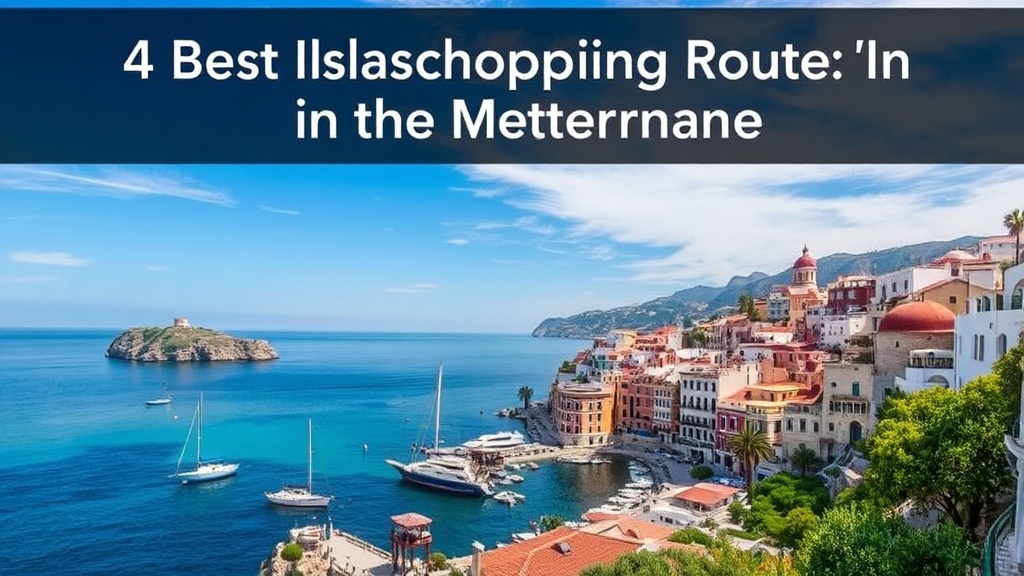
4 Best Island Hopping Routes in the Mediterranean

The Greek Cyclades Loop
The Dalmatian Coast Discovery
The Balearic Island Circuit
The Amalfi Coast and Sicilian Voyage
Many travelers believe that island hopping in the Mediterranean requires a private yacht or a massive budget to be done effectively. This is a misconception. While luxury charters exist, the most rewarding ways to experience the Mediterranean's diverse coastlines involve using established ferry networks, local high-speed boats, and well-planned land-to-sea transitions. This guide outlines four distinct routes that offer a mix of white-sand beaches, turquoise waters, and diverse cultural landscapes, helping you plan a seamless maritime adventure.
Choosing the right route depends on your preference for nightlife, historical exploration, or secluded beach relaxation. Each of the following routes has been selected based on the reliability of local transport, the density of high-quality beaches, and the variety of coastal experiences available. Whether you are looking for the volcanic landscapes of the Aegean or the rugged cliffs of the Adriatic, these itineraries provide a structured way to see the best of the Mediterranean.
1. The Cyclades Loop: The Classic Greek Island Experience
The Cyclades archipelago in the Aegean Sea is perhaps the most iconic island-hopping destination in the world. This route is characterized by whitewashed buildings, deep blue domes, and some of the most famous beaches in Europe. The logistics for this route are highly efficient due to the high frequency of ferries departing from the port of Piraeus in Athens.
Santorini: The Dramatic Start
While often seen as a luxury destination, Santorini serves as an excellent starting point for a multi-island journey. The caldera views are unparalleled, but for beach lovers, the black sand beaches like Perissa and Kamari offer a unique geological experience. Use the local bus system or a rented ATV to move between the volcanic beaches and the cliffside villages.
Naxos: The Beach Lover's Haven
From Santorini, take a high-speed ferry to Naxos. Naxos is significantly more affordable than Santorini and offers much longer stretches of sandy coastline. Focus your time on Agios Prokopios and Agia Anna, where the water is shallow, calm, and perfect for long days of swimming. The sand here is fine and golden, a stark contrast to the volcanic sands of the neighboring islands.
Paros and Mykonos: The Social Hubs
The final leg of this loop often involves Paros and Mykonos. Paros offers a more relaxed, bohemian beach vibe with excellent spots like Naoussa for sunset viewing. Mykonos, conversely, is the center for beach clubs and high-energy social scenes. If you plan on spending significant time on the water, remember to apply reef-safe sunscreen 30 minutes before swimming to protect both your skin and the delicate Mediterranean marine ecosystems.
2. The Dalmatian Coast: Croatia’s Adriatic Adventure
The Dalmatian Coast offers a different aesthetic than the Greek islands, featuring limestone cliffs, crystal-clear Adriatic waters, and medieval walled cities. This route is best navigated using a combination of high-speed catamarans and local ferries, making it highly accessible for travelers who want to avoid the complexity of renting a private boat.
Split and Hvar: History Meets High Energy
Start in Split, a city built around the ancient Roman Palace of Diocletian. From Split, take a catamaran to Hvar Town. Hvar is famous for its Pakleni Islands, a small archipelago just off the coast. You can rent a small motorboat for a day to explore these smaller islets, which feature secluded coves and incredibly clear water ideal for snorkeling.
Vis: The Secluded Escape
For those seeking a break from the crowds of Hvar, the island of Vis is the perfect next stop. Vis was a closed military base for many years, which helped preserve its natural beauty and prevented overdevelopment. The Blue Cave (Modra Špilja) on the nearby island of Biševo is a must-visit, but the beaches around Stiniva Cove offer some of the most dramatic scenery in the Adriatic. The narrow entrance to the cove creates a natural swimming pool that is protected from the wind.
Korčula: The Mediterranean Gem
The final stop on this route is Korčula, often referred to as "Little Dubrovnik." The island features lush greenery and a sophisticated wine culture alongside its coastal beauty. The beaches here are often pebble-based, which results in exceptional water clarity. Be sure to bring a high-quality bag for your gear; knowing how to pack a beach bag for a full day in the sun ensures you have your sunscreen, towels, and electronics organized for the boat transitions.
3. The Balearic Route: Spain’s Island Paradise
The Balearic Islands in the Mediterranean Sea offer a diverse range of experiences, from the high-octane energy of Ibiza to the serene, rugged landscapes of Menorca. This route is ideal for travelers who want a mix of world-class beach clubs and untouched natural reserves.
Ibiza: Beyond the Nightlife
While Ibiza is world-renowned for its clubs, the northern part of the island offers incredible tranquility. Visit Cala Comte for stunning sunset views and turquoise waters. The water here is exceptionally clear, making it a prime spot for paddleboarding. If you are traveling by boat, ensure you have a waterproof dry bag to protect your camera and phone from salt spray and splashes.
Formentera: The Caribbean of Europe
A short ferry ride from Ibiza brings you to Formentera, which many travelers consider the most beautiful island in the Balearics. The beaches at Ses Illetes are world-class, featuring white sand and shallow, transparent water that looks remarkably like the Caribbean. The pace of life here is much slower, and the focus is entirely on the sea and sun.
Menorca: The Quiet Sister
The final leg of this route takes you to Menorca. Unlike its more famous neighbors, Menorca is a UNESCO Biosphere Reserve, meaning much of its coastline is protected. The "Calas" (coves) here, such as Cala Macarella and Cala Mitjana, are framed by pine trees and offer a sense of isolation. These coves are best accessed by foot or by small boat, as the roads can be narrow and winding.
4. The Sicilian and Aeolian Archipelago Route
This route is for the traveler seeking geological drama and intense culinary experiences. The combination of volcanic islands and the long Sicilian coastline provides a rugged, adventurous version of the Mediterranean lifestyle.
Sicily: The Coastal Gateway
Start in eastern Sicily, specifically near Taormina. Taormina offers a sophisticated blend of Greek history and luxury beach clubs. The Isola Bella nature reserve provides a stunning backdrop for swimming, with a small island connected to the mainland by a narrow strip of sand. From here, you can explore the coastline toward Syracuse for a more historical, less commercialized beach experience.
Lipari and Vulcano: Volcanic Waters
From the Sicilian coast, take a hydrofoil to the Aeolian Islands, starting with Lipari. Lipari offers a great balance of amenities and natural beauty. The nearby island of Vulcano is famous for its thermal activity. You can hike to the crater and then descend to the "Graneli" beach, which is composed of fine volcanic sand. The thermal mud baths are a unique way to relax after a day of hiking.
Stromboli: The Spectacle
The final destination is Stromboli, one of the most active volcanoes in the world. The island is a dramatic sight, with the volcano constantly emitting smoke and, occasionally, spectacular lava flows at night. The beaches are dark and volcanic, and the water is incredibly deep and clear. The experience here is less about lounging on a towel and more about witnessing the raw power of the Mediterranean's volcanic origins.
Practical Tips for Mediterranean Island Hopping
To ensure your journey is successful, keep these practical considerations in mind:
- Book Ferries in Advance: During the peak months of July and August, high-speed ferries and popular routes can sell out. Use apps like Ferryhopper to track schedules and book ahead.
- Check the Sea State: The Mediterranean can experience sudden wind changes, particularly the Meltemi winds in the Aegean. Always check weather reports before booking a boat excursion.
- Pack Light: Moving between islands often involves multiple transfers, including small dinghies or walking through narrow port streets. A lightweight, durable backpack or a rolling bag that is easy to maneuver is essential.
- Respect Local Ecosystems: Many of these islands have protected marine areas. Avoid stepping on seagrass (Posidonia oceanica) and always use reef-safe products to maintain the water quality.
By choosing one of these four routes, you are not just visiting a destination; you are participating in a centuries-old tradition of maritime travel. Whether you seek the white-and-blue aesthetics of Greece or the volcanic intensity of Italy, the Mediterranean offers a coastal adventure for every type of traveler.