
How to Pack a Beach Bag for a Full Day in the Sun

A heavy canvas tote sits on the sand, filled with the essentials required to transition from a morning swim to a sunset cocktail. Packing for a full day at the beach requires more than just tossing in a towel; it demands a strategic approach to protect your electronics, skin, and comfort against salt, sand, and intense UV rays. This guide provides a systematic method for organizing your beach bag to ensure you have everything you need for a seamless tropical excursion without the frustration of searching through a cluttered bag.
Selecting the Right Beach Bag
The foundation of a successful beach day is the bag itself. You need a vessel that is durable, easy to clean, and resistant to the elements. Avoid delicate materials like silk or light cotton, as these will be ruined by sand and saltwater. Instead, look for specific features that cater to coastal environments.
Material and Durability
Canvas Totes: These are classic and sturdy, making them excellent for carrying heavier items like large water bottles or thick books. However, ensure you choose a heavy-duty grade that can withstand being dragged across a sandy boardwalk.
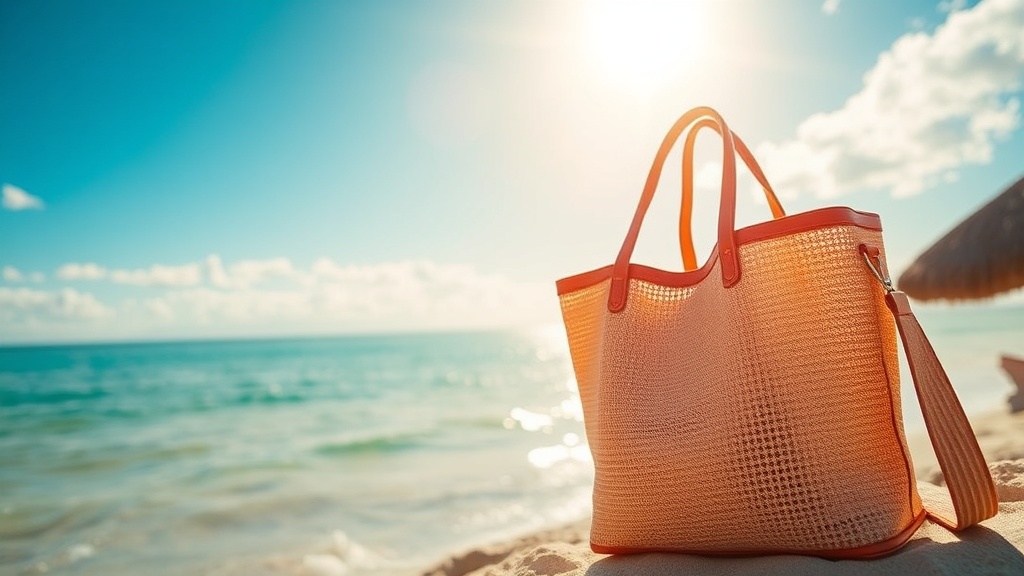
Mesh Bags: Mesh is highly functional because it allows sand to sift through the holes, preventing your bag from becoming a heavy, gritty mess. These are ideal for storing wet swimsuits or sandy toys.
Straw and Woven Bags: While aesthetically pleasing for tropical resorts, these can be difficult to clean. If you opt for a straw bag, ensure it has a zippered interior compartment to protect your valuables from falling out.
Compartmentalization and Size
A single, large open compartment is a recipe for chaos. Look for bags with at least one waterproof zippered pocket for electronics and a dedicated external pocket for quick-access items like lip balm or hand sanitizer. A medium-to-large capacity bag is necessary if you are traveling with a group, but if you are solo, a compact backpack style may be easier to carry through dunes or boardwalks.
The Essential Layers of Packing
To prevent your items from becoming a disorganized heap, pack your bag in layers. Start with the heavy, non-delicate items at the bottom and move toward the lighter, more fragile items at the top.
The Bottom Layer: Bulky Essentials
The base of your bag should hold items that are heavy and can withstand a bit of pressure. This is where you place your primary beach gear.
- Beach Towels: Opt for microfiber towels rather than traditional cotton terry cloth. Microfiber towels are more compact, dry significantly faster, and take up much less space in your bag.
- Change of Clothes: Pack a lightweight linen shirt or a dry sundress in a separate, sealed plastic bag to ensure they stay dry and sand-free.
- Footwear: If you are bringing flip-flops or water shoes, place them in a dedicated shoe bag to prevent them from coating your other belongings in sand.
The Middle Layer: Hydration and Nutrition
Staying hydrated is critical when spending hours under the tropical sun. This layer should focus on sustenance and temperature control.
- Insulated Water Bottle: Use a high-quality vacuum-insulated bottle, such as a Hydro Flask or Yeti, to keep your water cold even in high temperatures.
- Hydration Salts/Electrolytes: Pack a few electrolyte powder packets to add to your water, which helps prevent dehydration during intense heat.
- Snacks: Choose non-melting, non-sticky snacks. Dried fruit, nuts, or granola bars are better than chocolate or gummy candies, which can turn into a sticky mess in the heat.
The Top Layer: Sun Protection and Skincare
The items you will reach for most frequently should always be at the very top of your bag. This prevents you from having to dig through the bottom of the bag while your skin is unprotected.
It is vital to apply reef-safe sunscreen 30 minutes before swimming to ensure maximum protection and environmental safety. Keep your sunscreen, lip balm with SPF, and facial mist in an easy-to-reach top pocket.
Protecting Electronics and Valuables
Salt air and moisture are the primary enemies of your technology. Even if your phone is "water-resistant," the salt in the air can cause corrosion and damage the charging ports.
The Waterproof Strategy
Do not rely on a standard zippered pocket to protect your phone or camera. Instead, use a dedicated waterproof dry bag. This is essential if you plan on being near the surf or if you are taking a boat excursion. Why you should pack a waterproof dry bag is clear: it provides a secondary, impenetrable barrier against both water and fine sand grains that can clog buttons and ports.
Securing Jewelry and Small Items
Small items like rings, earrings, or car keys are easily lost in a large beach bag. Use a small, hard-shell travel case for jewelry. For keys and coins, a small mesh pouch is effective as it allows you to see the contents without dumping the whole bag out.
Organization Techniques and Pro-Tips
Efficiency in a beach setting is about minimizing the time you spend searching for things. Use these professional organization techniques to keep your bag functional throughout the day.
The Pouch System
Instead of loose items, group your belongings into themed pouches. This allows you to pull out a single item rather than a whole bag. Suggested pouches include:
- The Tech Pouch: Contains your phone, power bank, charging cables, and waterproof phone pouch.
- The Beauty Pouch: Contains sunscreen, lip balm, hair ties, and facial mist.
- The First Aid Pouch: Contains bandages, antiseptic wipes, and any personal medications.
Managing Sand and Moisture
Sand is an inevitable part of a beach day. To manage it, keep a small bottle of baby powder in your bag. Rubbing a small amount of baby powder on your skin makes sand fall off instantly, which is particularly helpful when trying to put on sandals or change clothes. Additionally, always keep a small, dedicated "wet bag" for your damp swimsuit so it doesn't soak the rest of your belongings.
The Final Checklist
Before you leave your hotel or rental property, run through this final checklist to ensure nothing has been overlooked. A well-packed bag means you can focus on the scenery rather than your supplies.
- Sun Protection: SPF 30+ sunscreen, SPF lip balm, sunglasses, and a wide-brimmed hat.
- Hydration: Insulated water bottle and electrolyte packets.
- Electronics: Phone, camera, power bank, and a waterproof dry bag.
- Comfort: Microfiber towel, lightweight change of clothes, and sandals.
- Hygiene: Hand sanitizer, wet wipes, and a small bottle of baby powder.
- Utility: A small trash bag (to ensure you leave no trace) and a waterproof pouch for wet swimwear.
By following this structured approach, you ensure that your tropical getaway remains relaxing and uninterrupted. A organized beach bag is the difference between a day spent searching for a lost earring and a day spent enjoying the ocean breeze.
Steps
- 1
Choose a Sand-Resistant Bag
- 2
Pack Sun Protection First
- 3
Organize with Small Pouches
- 4
Add Hydration and Snacks