
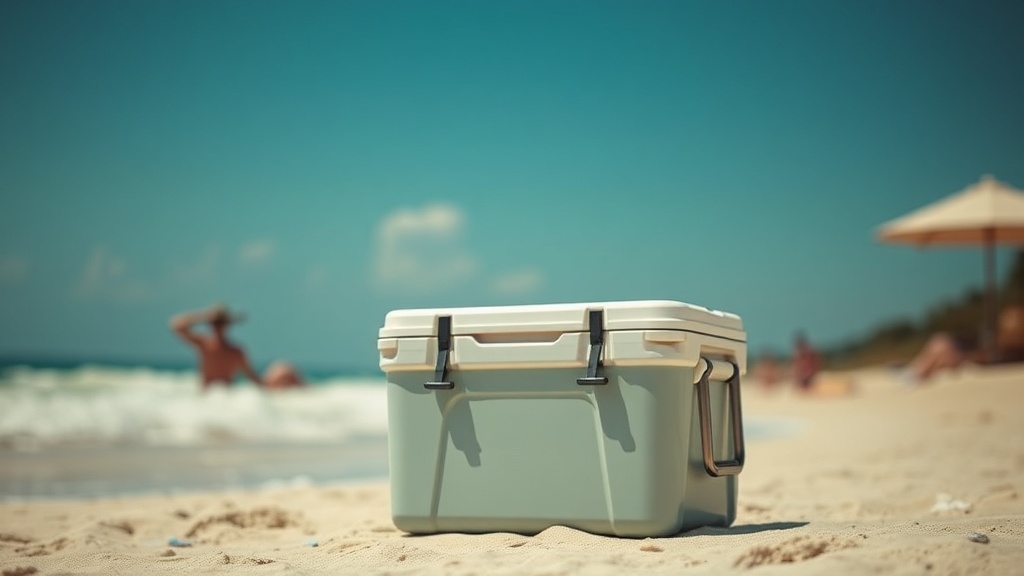
Stay Hydrated and Sun-Safe with a Portable Beach Cooler

Have you ever realized halfway through a beach day that your water is lukewarm and your fruit has gone soft in the heat? Maintaining proper hydration and temperature control is the difference between a relaxing day under the sun and a miserable afternoon of heat exhaustion. This guide breaks down how to select, pack, and maintain a portable beach cooler to keep your refreshments ice-cold and your energy levels high.
What Should I Look for in a Beach Cooler?
The best beach cooler for you depends on whether you prioritize ice retention longevity or lightweight portability. If you're heading to a remote shore, you'll want something easy to carry; if you're staying at a beach club, you might want something larger and more stationary.
Weight is a massive factor. A heavy cooler is a pain to drag through deep sand—especially if you're walking a long distance from the parking lot. Look for models with sturdy, ergonomic handles or even wheels. Many travelers prefer the YETI Tundra series because it's incredibly durable, though it's definitely on the heavier side. If you want something lighter for a quick dip in the ocean, a soft-sided cooler like the Hydro Flask Soft Cooler is a great option.
Check the insulation thickness. High-end coolers use much thicker foam to prevent heat transfer. This is important because even a slight temperature rise can make your drinks unpalatable. You don't want to be sipping a tepid soda when the tropical sun is at its peak.
Consider the volume. A small 15-liter cooler might suffice for a solo afternoon, but a family of four will need at least 30 to 45 liters to keep enough water and snacks cold for several hours. It's always better to have a little extra room for ice than to run out of space halfway through the day.
How Can I Keep Ice from Melting Too Fast?
You can keep ice from melting longer by pre-chilling your cooler and using large, solid ice blocks instead of small cubes.
Most people make the mistake of putting warm drinks into a dry, room-temperature cooler. This is a mistake. The dry air inside the cooler actually sucks the cold out of your ice. To prevent this, keep your cooler in the shade or under a beach umbrella. The direct sun is the enemy of ice. (Seriously, even a high-end cooler won't stand a chance if it's sitting in direct sunlight all day.)
Here are a few pro tips for maximum cooling:
- Pre-chill the cooler: Put a sacrificial bag of ice in the cooler an hour before you actually pack your food.
- Use large ice blocks: Small cubes melt almost instantly. Large blocks of ice—or even frozen water bottles—last much longer.
- Minimize openings: Every time you open the lid to grab a drink, you let out the cold air. Try to group your items so you aren't digging around for ten minutes.
- Fill the gaps: Air is the enemy. If your cooler is half-empty, fill the empty space with extra ice or even small towels to keep the cold trapped.
If you're worried about food safety, keep an eye on the CDC guidelines for food temperature control. Keeping perishables at the right temperature isn't just about taste; it's about avoiding a bad case of food poisoning while you're away from a kitchen.
| Cooler Type | Best For... | Pros | Cons |
|---|---|---|---|
| Hard-Sided (e.g., Yeti) | Long days, heavy use | Extreme ice retention | Heavy, bulky |
| Soft-Sided (e.g. Hydro Flask) | Short trips, hiking | Lightweight, portable | Ice melts faster |
| Electric/Powered | Boating, long stays | Consistent temperature | Needs power source |
How Much Should I Pack for a Beach Day?
A successful beach pack includes a mix of hydrating liquids, electrolyte-rich snacks, and temperature-sensitive items. You should plan your volume based on the duration of your trip and the number of people attending.
Don't forget the electrolytes. When you're sweating in a tropical climate, water alone sometimes isn't enough. Packing coconut water or electrolyte tablets can help prevent dehydration. It's also smart to pack fruit that has high water content, like watermelon or grapes. Just make sure they are packed in a way that they don't get crushed by heavier items.
When it comes to organization, use a hierarchy of weight. Place your heaviest items, like large water bottles or heavy fruit, at the bottom. Place lighter, more delicate items, like sandwiches or soft fruit, on top. This prevents your lunch from becoming a crushed mess by the time you reach the shoreline. If you're already planning your trip, you might want to pack a versatile beach bag to complement your cooler setup.
The catch? If you pack too much, the weight becomes a burden. If you're traveling to one of the best tropical beach destinations in 2026, you'll likely be doing a lot of walking. Keep your load light but your hydration heavy.
"A well-packed cooler is the unsung hero of a perfect beach day. It keeps you fueled, hydrated, and ready for adventure."
How Do I Keep My Drinks Cold Without Using Too Much Ice?
You can reduce the amount of ice needed by using frozen water bottles and keeping your drinks in the shade.
Using frozen water bottles is a brilliant way to save space. As the water melts, you have a perfectly chilled drink to consume, and the bottle itself acts as an ice pack. This is much more efficient than using loose ice that turns into a puddle of water at the bottom of your cooler. It also prevents your sandwiches from getting soggy from melting ice.
Another trick is to use insulated stainless steel bottles, like those from S'well or Hydro Flask. These bottles can keep liquids cold for hours regardless of what's happening in the cooler. This means you don't have to rely solely on the ice in your bag. It's a reliable backup plan for when the weather gets truly intense.
Worth noting: if you're using a soft-sided cooler, the insulation is usually thinner. In this case, you'll need to be more diligent about keeping the cooler in the shade. If you're out on a boat or a kayak, the wind might actually help cool the exterior, but the sun will still be your biggest obstacle. Always keep your cooler under a canopy or a towel if a dedicated umbrella isn't available.
Finally, don't forget to pack a small towel or a dedicated "wet bag" for any items that might leak or get messy. Keeping your dry snacks away from your melting ice is a small detail that makes a massive difference in your overall comfort. It's the little things that make a tropical getaway truly enjoyable.
Steps
- 1
Pre-chill your drinks
- 2
Layer ice and beverages strategically
- 3
Add sun protection items
- 4
Keep the lid sealed tight