
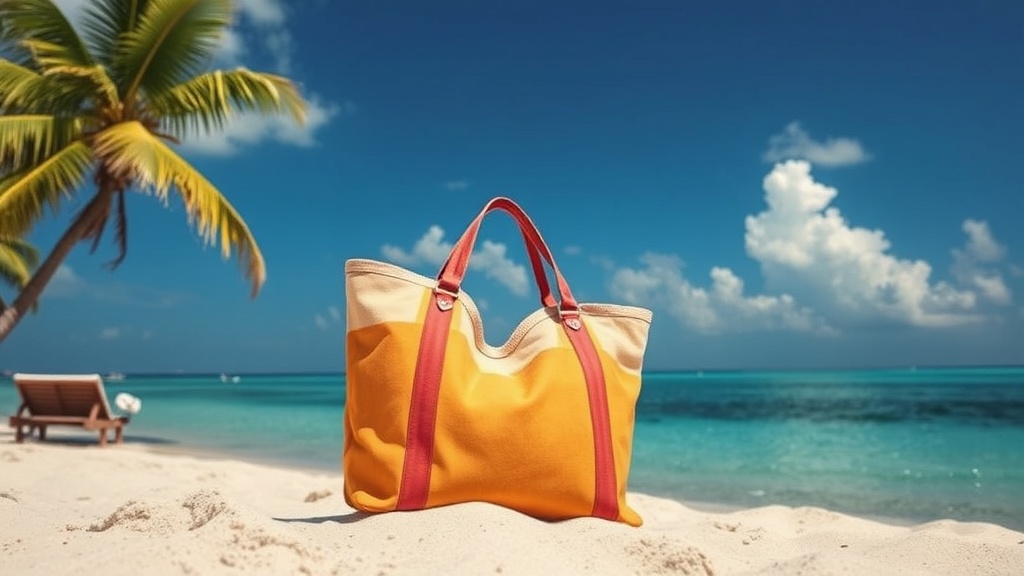
Pack a Versatile Beach Bag for Your Tropical Getaway

Studies show that the average person carries nearly 30% more weight in their luggage than they actually use during a week-long trip. Most travelers overpack bulky items that never see the sun, while forgetting the small, practical tools that make a beach day comfortable. This guide breaks down exactly how to build a high-function, versatile beach bag that handles everything from sun protection to water sports without the bulk. We'll look at the specific categories of gear you need to stay prepared for any coastal scenario.
What Are the Best Materials for a Beach Bag?
The best materials for a beach bag are durable, water-resistant, and easy to rinse clean after a day in the salt and sand. Look for heavy-duty canvas, recycled polyester, or high-grade nylon. These fabrics handle the weight of wet towels and heavy sunscreen bottles without tearing or absorbing odors.
If you're heading to a tropical destination where the humidity is high, avoid cheap faux leather. It won't breathe and can get incredibly sticky in the heat. Instead, opt for a mesh bag or a lightweight canvas tote. A mesh bottom is a smart move—it allows sand to fall through rather than collecting at the bottom of your bag. If you're planning on a boat excursion, you might want to pack these 5 waterproof dry bags to keep your electronics safe from spray.
Canvas is a classic choice because it feels premium and holds its shape. However, if you're prone to losing things in the dark, a lighter-colored fabric makes it easier to find your keys or phone at the end of the day. It's a small detail, but it matters when you're digging through a bag at a dimly lit beach bar.
Essential Categories for Your Tropical Bag
A well-organized bag relies on categorized compartments. You shouldn't just throw everything into one large void. Use small pouches to separate your items. This prevents the "black hole" effect where your sunglasses disappear into the depths of your tote.
- Sun Protection: High SPF sunscreen, lip balm with SPF, and a wide-brimmed hat.
- Hydration & Snacks: A reusable water bottle and small, non-melting snacks.
- Tech & Protection: Waterproof phone pouch and a portable power bank.
- Comfort: A lightweight Turkish towel and a portable fan.
Don't forget your eyewear. A hard case is better than a soft pouch if you're tossing your bag around. You can keep your sunglasses scratch-free with a soft fabric sleeve inside your bag to prevent the lenses from getting scuffed by sand or grit.
How Much Should You Spend on a High-Quality Beach Bag?
A high-quality, durable beach bag typically costs between $30 and $150 depending on the brand and material. While you can find cheap plastic totes for a few dollars, they rarely last more than one season of heavy tropical sun exposure.
Here is a breakdown of what you can expect for different price points:
| Budget Level | Price Range | Expected Quality/Features |
|---|---|---|
| Budget | $10 - $30 | Simple canvas or plastic; basic durability; minimal compartments. |
| Mid-Range | $40 - $80 | Water-resistant nylon; better stitching; dedicated pockets for water bottles. |
| Premium | $100+ | High-end brands like Patagonia or Yeti; heavy-duty materials; extreme durability. |
If you're a frequent traveler, spending a bit more upfront is a smart move. A cheap bag will often crack or fade under intense UV rays within a few weeks. A sturdy bag from a reputable brand can withstand years of saltwater and sand. It's an investment in your comfort.
What Items Should You Always Pack for the Beach?
The items you must always pack are those that protect your skin, eyes, and hydration levels. These are the non-negotiables for any tropical outing. Even if you're just heading to a local beach for an hour, these items ensure you don't end up with a painful sunburn or dehydration.
First, focus on sun protection. Sunscreen is obvious, but don't overlook a dedicated facial sunscreen. Most standard body lotions are too heavy and can clog pores. If you're heading to a more remote area, a lightweight linen shirt is a great way to provide physical shade without overheating.
Next, think about your electronics. Salt air is the enemy of your phone and camera. Even if your device is "water-resistant," the salt can still cause issues. A small, airtight pouch is a lifesaver. It also helps when you're trying to use a touch screen with wet or sandy hands.
Finally, consider your footwear. Sand can get incredibly hot—sometimes hot enough to cause discomfort—so having a pair of flip-flops or waterproof sandals is a good idea. If you're walking through tide pools, a pair of Teva sandals provides much better protection than a basic sandal.
The "Must-Have" Packing List
- Sunscreen: Both a spray for the body and a cream for the face.
- Polarized Sunglasses: Essential for reducing glare off the ocean surface.
- Waterproof Phone Pouch: Protects against sand, water, and humidity.
- Microfiber Towel: These dry much faster than standard cotton towels and take up less space.
- Reusable Water Bottle: Staying hydrated is the most important part of enjoying the heat.
- Hand Sanitizer & Wet Wipes: Perfect for cleaning off sticky sunscreen or salt before eating.
It's also wise to keep a small stash of dry clothes in a separate, sealed bag. There's nothing worse than trying to put on a damp swimsuit or a shirt that's been coated in sand. A simple Ziploc bag or a dedicated dry bag works perfectly for this.
How Can You Keep Your Beach Bag Clean?
You can keep your beach bag clean by rinsing it with fresh water after every trip and letting it air dry completely before storing it. This prevents mold and mildew from developing in the fabric. Sand and salt are incredibly stubborn, so a quick shake isn't always enough.
If you have a canvas bag, you might need to spot-clean it with a mild detergent. For mesh or nylon bags, you can often just hose them down in the backyard. This is much easier than trying to vacuum sand out of a deep bag. If you're using a more expensive bag, check the care instructions first—some materials can be damaged by harsh soaps.
One trick I use is to keep a small, handheld brush near the door. After a long day, a quick brush-off helps prevent sand from being tracked into the house or hotel room. It's a small habit that makes a huge difference in your post-beach routine. If you're traveling to more rugged coasts, you might even consider a portable sand brush to keep your feet and gear clean.
Always make sure the bag is 100% dry before you fold it up and put it away. Storing a damp bag in a dark closet is a recipe for a musty smell that will haunt your next trip. If you're traveling, try to hang the bag up in the bathroom while you shower to let the steam help loosen any dried salt or sand before a final rinse.
The goal isn't to have the most gear, but the right gear. A lightweight, organized bag makes the transition from the hotel to the shore seamless. When you're not constantly searching for your sunscreen or worrying about a wet phone, you can actually focus on the view.
Steps
- 1
Select a Water-Resistant Material
- 2
Group Items by Function
- 3
Use Small Pouches for Organization
- 4
Add a Quick-Dry Accessory