
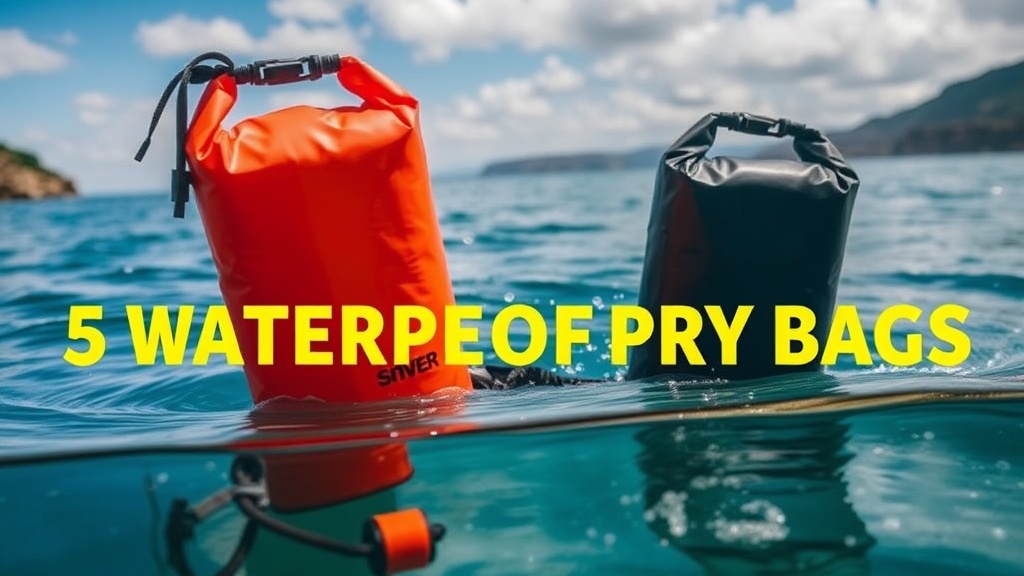
Pack These 5 Waterproof Dry Bags for Your Next Boat Trip

The Lightweight Day Pack
The Heavy-Duty Expedition Bag
The Compact Phone Pouch
The Multi-Purpose Roll Top
The Clear View Dry Bag
A sudden spray of saltwater hits the deck of a moving catamaran, soaking a backpack left unsecured near the railing. Within seconds, the expensive camera inside is damp, and the electronics are at risk. This is the reality of boat trips where the weather or the waves don't play by your rules. This post identifies the five types of waterproof dry bags you need to protect your gear during coastal adventures, from small electronics to heavy beach gear.
What Kind of Dry Bag Do You Need?
The type of dry bag you need depends entirely on the size of the items you're protecting and the intensity of the water exposure. You shouldn't just grab any plastic bag; you need specialized gear designed for salt air and heavy splashes.
For small, high-value items like your phone or car keys, a small 2L or 5L dry bag is the standard. These are lightweight and easy to clip onto a life vest or a belt loop. If you're heading out on a larger vessel or a long excursion, you'll likely need a larger 10L to 20L bag for snacks, sunscreen, and extra clothing.
The material matters too. Look for heavy-duty TPU (Thermoplastic Polyurethane) rather than standard PVC. TPU is more flexible and lasts much longer in the sun. It also won't get that weird, stiff texture after a few trips in the heat. If you're worried about your tech, remember to protect your electronics from sand and salt air using more than just a bag alone.
1. The Small Tech Pouch
Your smartphone is probably your most expensive piece of gear. A tiny, waterproof pouch or a 2L dry bag from a brand like Sea to Summit is perfect for this. These are small enough to fit in a pocket or a small bag. They keep the salt spray away from your touchscreen.
Don't forget your earbuds. A small pouch keeps them from getting lost in the bottom of a larger bag, too. It's a simple way to keep things organized (and dry).
2. The Medium Capacity Day Bag
A 10L or 15L dry bag is the workhorse of any boat trip. Brands like YETI make incredibly durable versions that can handle being tossed around a deck. This is where you put your sunscreen, a paperback book, and maybe a dry towel.
These bags usually feature a roll-top closure. You fold the top down three times and clip it. This creates a seal that prevents water from entering even if the bag gets partially submerged. It's a lifesaver when the boat hits a choppy wave.
3. The Heavy-Duty Expedition Pack
If you're planning a full day of island hopping or a multi-day sailing trip, you need a 30L or 40L dry bag. These are much larger and designed to hold heavier items like a change of clothes or a lightweight jacket. Patagonia and Osprey often make gear that stands up to this kind of rugged use.
These are great for keeping your "dry clothes" actually dry. There's nothing worse than reaching for a fresh shirt only to find it damp and salty. Using a larger bag ensures your main gear stays untouched by the ocean spray.
How Do I Choose the Right Size Dry Bag?
To choose the right size, calculate the volume of your items and add about 20% extra space to allow for the roll-top seal. A bag that is too full won't seal properly, which defeats the whole purpose of having a waterproof bag.
Here is a quick breakdown of what fits where:
| Bag Size | Best For... | Typical Items |
|---|---|---|
| 2L - 5L | Small Essentials | Phone, keys, wallet, earbuds |
| 10L - 15L | Daily Essentials | Sunscreen, water bottle, camera, towel |
| 30L + | Full-Day Excursions | Change of clothes, snacks, heavy gear |
When choosing, consider the weight. A 40L bag might be great for storage, but it's heavy to carry if you have to trek across a beach to reach your boat. A lighter, smaller bag is often more practical for short boat rides.
4. The Transparent Waterproof Pouch
Sometimes you need to see what's inside without opening the seal. A clear, waterproof pouch is a smart choice for things like your passport or a map. You can see the contents instantly, which saves time and prevents you from getting the contents wet by repeatedly opening the bag.
This is especially useful at customs or when checking a schedule. You don't want to be fumbling with a rolled-up bag while trying to read a piece of paper. It's a small detail, but it makes life much easier.
5. The Specialized Camera Case
If you're a photographer, a standard dry bag might not be enough. You might need a dedicated hard-shell case or a padded waterproof bag. These provide an extra layer of impact protection. If a bag hits the side of the boat, your camera won't just stay dry—it'll also stay safe from the shock.
The Wikipedia entry on waterproof bags notes that different levels of protection exist for different environments. For a casual traveler, a soft-shell dry bag is fine. For a professional, a hard-shell case is a better bet.
Are Dry Bags Truly Waterproof?
Most dry bags are "water-resistant" or "water-proof" depending on how they are used and the quality of the seal. To be truly waterproof, you must roll the top of the bag at least three times before clipping it shut.
If you only roll it once, water will seep in. This is a common mistake. Also, be aware that most dry bags are designed to protect against splashes and rain, not for deep-sea diving. If you're planning on snorkeling or kayaking, make sure your bag is rated for the level of submersion you expect.
One thing to watch out for is the zipper. Some bags use a waterproof zipper, while others rely solely on the roll-top. If you're using a bag with a zipper, check it frequently for sand or salt buildup. A single grain of sand can prevent a perfect seal. Since you'll be near the shore, you might want to keep your feet cool with a portable sand brush to keep the sand away from your gear—and your bag!
The catch with cheaper bags is that the material can degrade quickly under intense UV rays. If you're spending a week in the tropics, the sun is your biggest enemy. A high-quality bag from a reputable brand will handle the sun much better than a generic one found at a drugstore.
When you're out on the water, you want to focus on the view, not on whether your phone is currently soaking up seawater. Investing in these five types of bags ensures your gear stays safe, dry, and ready for the next adventure.