
7 Hidden Gem Beaches You Should Visit in Southeast Asia

The Secret Shores of Koh Rong Samloem
El Nido's Hidden Lagoons
The Pristine Sands of Ngapali Beach
Hidden Bays of Krabi
The Untouched Coast of Phu Quoc
Secret Coves in Bali
The Remote Paradise of Koh Kood
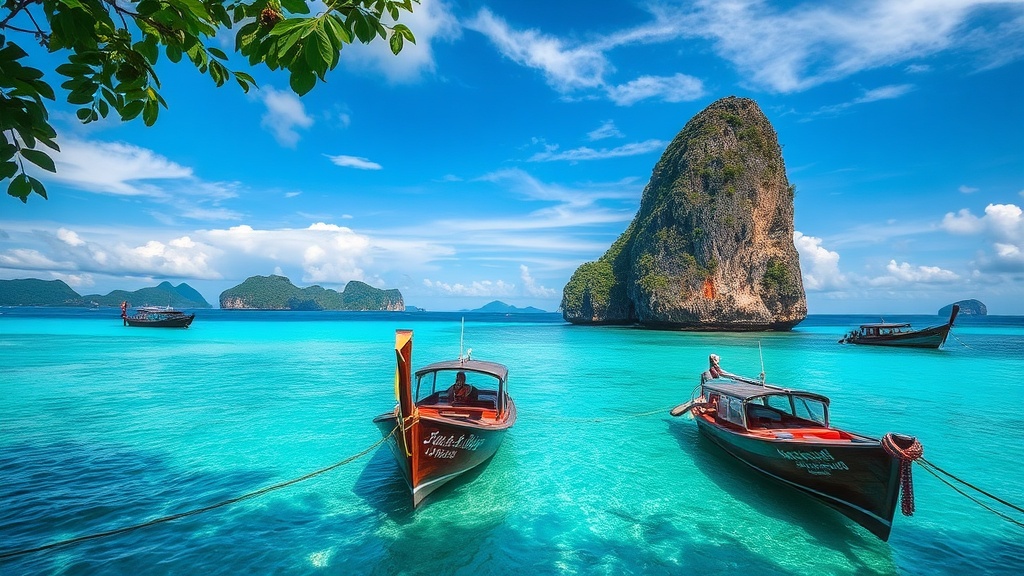
Imagine arriving at a beach where the only footprints in the sand belong to you, and the only sound is the gentle lap of turquoise water against a limestone cliff. While destinations like Bali or Phuket attract millions of tourists annually, Southeast Asia contains several secluded coastlines that remain largely untouched by mass commercialization. This guide identifies seven hidden gem beaches in Southeast Asia that offer pristine waters, minimal crowds, and authentic tropical experiences. Whether you are looking for a remote diving spot or a quiet place to read a book, these locations provide a high-quality alternative to the standard tourist circuits.
1. Koh Kood, Thailand
Located in the Trat Province near the Cambodian border, Koh Kood is one of Thailand's most tranquil islands. Unlike the high-energy nightlife of Koh Samui or Koh Phangan, Koh Kood maintains a slow pace of life. The island is characterized by dense jungle, coconut groves, and exceptionally clear water. The beaches here, particularly Ao Tapao and Bang Bao Bay, offer long stretches of white sand with very few resorts nearby.
For travelers, the primary appeal is the lack of large-scale infrastructure. You will find boutique eco-resorts rather than massive hotel chains. The water is calm and shallow, making it an ideal spot for kayaking through mangrove forests or paddleboarding. If you plan to explore the island's interior to find hidden waterfalls like Klong Chao Waterfall, ensure you pack a waterproof dry bag to protect your electronics from the humidity and sudden tropical showers.
2. El Nido’s Secret Beaches, Philippines
While El Nido in Palawan is a well-known destination, most tourists stick to the popular "Tour A" or "Tour B" routes. However, the Bacuit Archipelago contains several "secret" beaches that are only accessible by boat or through narrow limestone openings. One such location is the Hidden Beach, which requires navigating a small cave entrance to reveal a secluded cove of bright blue water.
To experience these locations effectively, you should book a private boat rather than joining a large group tour. This allows you to arrive at the lagoons before the larger vessels, giving you a window of solitude. When snorkeling in these limestone-fringed lagoons, it is vital to apply reef-safe sunscreen 30 minutes before swimming to prevent chemical damage to the delicate coral ecosystems that thrive in these enclosed waters.
Essential Gear for Island Hopping
- Dry Bag: Essential for keeping your camera and phone safe during boat transfers.
- Snorkel Mask: A high-quality silicone skirt mask will prevent leaks in choppy waters.
- Polarized Sunglasses: To reduce glare from the white sand and see clearly into the water.
3. Ngapali Beach, Myanmar
Ngapali Beach offers a classic tropical aesthetic without the heavy crowds found in Southeast Asia's more famous hubs. The coastline is lined with coconut palms and features wide, sweeping stretches of sand. While the beach is accessible, it lacks the high-rise developments seen in Thailand, preserving a sense of traditional Myanmar coastal life. The water is warm and suitable for swimming year-round, with gentle waves that are perfect for casual swimming.
The best way to enjoy Ngapali is to stay in a beachfront bungalow and focus on local culinary experiences. The seafood here is exceptionally fresh, often caught by local fishermen just hours before being served. To ensure you are eating at the most authentic spots, look for small, family-run establishments where the menu is dictated by the daily catch rather than a printed international menu. Learning how to find the best local seafood near the beach will significantly enhance your dining experience in this region.
4. Koh Rong Samloem, Cambodia
While the neighboring Koh Rong is known for its parties, Koh Rong Samloem remains a sanctuary for those seeking peace. This island is much smaller and lacks the paved roads found on larger islands, meaning most of your movement will be via footpaths or boat. Saracen Bay is the most popular area, featuring calm, shallow waters and white sand that feels like powdered sugar.
The lack of electricity and high-speed internet in many parts of the island makes it a perfect "digital detox" destination. Travelers should be prepared for a more rustic lifestyle. There are no ATMs on the island, so you must bring enough Cambodian Riel or US Dollars for your entire stay. For evening entertainment, many visitors enjoy watching the bioluminescent plankton that glows in the water after sunset, a natural phenomenon that requires no equipment other than a clear view of the ocean.
5. Con Dao Islands, Vietnam
Located off the coast of Vietnam, the Con Dao archipelago is a group of islands that offers a stark contrast to the bustling beaches of Da Nang or Nha Trang. Con Dao is a protected national park, which means the marine life and coastal vegetation are exceptionally well-preserved. The beaches here are often empty, and the water clarity is among the best in Vietnam.
The islands are a destination for divers and serious snorkelers. The coral reefs are healthy and support a wide variety of tropical fish. Because the islands are part of a national park, there are strict regulations regarding environmental protection. Travelers should be mindful of their footprint and avoid any activities that disturb the local wildlife, such as the sea turtles that nest on these shores. If you are planning to capture the scenery, practice photographing tropical sunsets without a pro camera to document the dramatic skies over the East Sea.
6. Siargao’s Remote Coastline, Philippines
Siargao is famous as a surfing capital, but most people congregate around General Luna. If you move toward the northern part of the island, such as the area near Pacifico, the crowds thin out significantly. These northern beaches offer long, uncrowded stretches of sand and much more tranquil waves, making them ideal for long walks and quiet sunbathing.
The landscape of Siargao is not just about the ocean; it also features incredible coconut forests and lagoons. To get the most out of your visit, rent a scooter to navigate the smaller roads that lead to the more remote coastal points. This allows you to find small inlets and hidden coves that are not reachable by the standard tourist transport. Ensure your rental scooter has a reliable brake system, as many of the coastal roads can be uneven and narrow.
7. Koh Lipe, Thailand
Often referred to as the "Maldives of Thailand," Koh Lipe is located in the far south, near the Malaysian border. It is a small, walkable island that offers some of the clearest water in the Andaman Sea. While the main walking street can get busy, the various beaches surrounding the island—such as Sunrise Beach and Pattaya Beach—offer different vibes depending on your preference for activity or solitude.
The diving and snorkeling around Koh Lipe are world-class. The island is surrounded by several small islets that host vibrant coral gardens. Because the island is small, you can easily walk from one end to the other, but for the best snorkeling, you should take a long-tail boat to the nearby Koh Adang. This will take you to areas where the coral is even more untouched and the marine biodiversity is significantly higher.
Summary Table of Destinations
| Destination | Primary Vibe | Best Activity |
|---|---|---|
| Koh Kood, Thailand | Quiet & Lush | Kayaking & Waterfalls |
| El Nido, Philippines | Adventurous & Scenic | Island Hopping & Lagoons |
| Ngapali, Myanmar | Traditional & Relaxed | Seafood Dining & Sunbathing |
| Koh Rong Samloem, Cambodia | Rustic & Minimalist | Bioluminescent Plankton |
| Con Dao, Vietnam | Pristine & Protected | Scuba Diving |
| Siargao (North), Philippines | Surf & Tropical | Scooter Exploring |
| Koh Lipe, Thailand | Exotic & Clear | Snorkeling |
Choosing a hidden gem over a mainstream destination requires more planning and a willingness to embrace a less luxurious, more authentic way of traveling. However, the reward is a deeper connection to the natural beauty of Southeast Asia and a much more peaceful vacation experience. Always remember to respect local customs, protect the marine environments, and pack the essential gear necessary for tropical island exploration.