
6 Best Tropical Fruits to Try on Your Next Beach Trip

Sweet and Juicy Mangoes
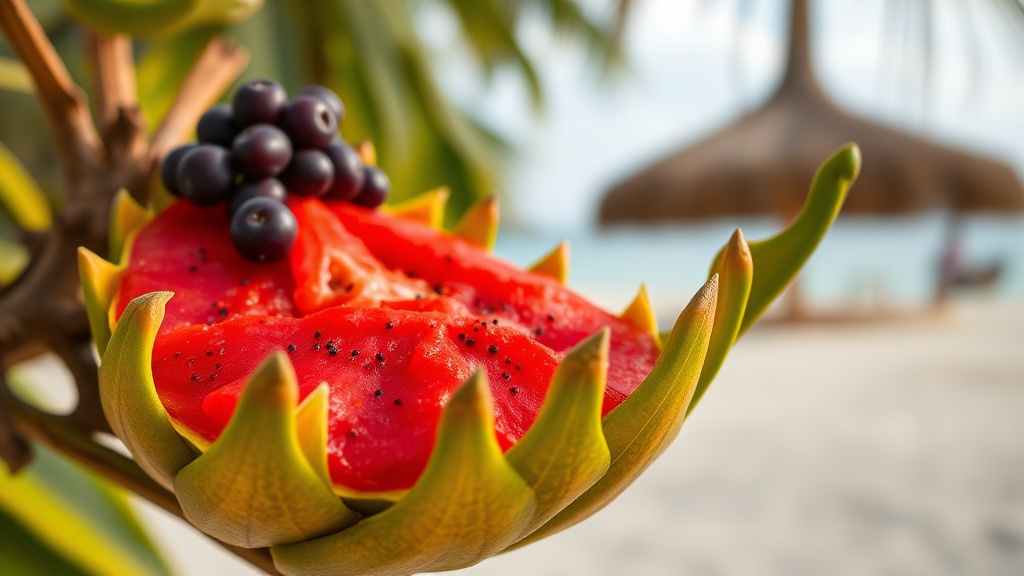
Vibrant Dragon Fruit
Creamy Coconut Meat
Refreshing Watermelon
Tangy Passion Fruit
Sweet Papaya
Imagine walking through a vibrant local market in Phuket or a street vendor stall in Bali, where the air is thick with the scent of ripening sugar and citrus. You see piles of vibrant, exotic produce that look nothing like the standard grocery store fare in your hometown. This post identifies the six most essential tropical fruits you should seek out during your next seaside getaway. Understanding what to look for, how to identify ripeness, and how to eat these fruits will enhance your culinary experience and ensure you are getting the freshest possible nutrients while traveling.
1. Mango (Mangifera indica)
The mango is often referred to as the "king of fruits" in tropical regions like India, Thailand, and Mexico. While many travelers are used to the mild, stringy mangoes found in domestic supermarkets, the varieties available at a tropical beach destination are significantly more intense in flavor and texture. In Southeast Asia, you will frequently encounter the Nam Dok Mai variety, which is exceptionally sweet and lacks the fibrous texture found in many Western varieties.
How to Identify a Ripe Mango
When purchasing mangoes at a local fruit stand, do not rely solely on color. A mango can be red or yellow even when it is underripe. Instead, use the following methods to ensure quality:
- The Squeeze Test: Give the fruit a very gentle squeeze. It should yield slightly to pressure, similar to a ripe avocado. If it is rock hard, it needs more time; if it is mushy, it is overripe.
- The Scent Check: Lift the fruit to your nose. A ripe mango will have a fragrant, floral, and fruity aroma near the stem. A lack of scent usually indicates it is not yet ready to eat.
- Skin Integrity: Look for smooth skin without large dark bruises or excessive wrinkles, which can indicate decay.
Ways to Enjoy Mango on Your Trip
Mango is incredibly versatile. In many coastal destinations, you will find it served as Mango Sticky Rice, a classic Thai dessert consisting of glutinous rice, coconut milk, and fresh mango slices. You can also find it sliced into tropical fruit salads or used as a topping for smoothie bowls at beachside cafes. If you are staying in a villa with a kitchen, simply slicing a ripe mango and pairing it with lime juice and a pinch of chili powder provides a refreshing, hydrating snack after a day of swimming.
2. Dragon Fruit (Pitaya)
Dragon fruit is a visually striking fruit that serves as a staple in many tropical regions, particularly in Vietnam and Central America. It is the fruit of a climbing cactus and is known for its high water content, making it an excellent choice for hydration during hot beach days. There are two main types you will encounter: the white-fleshed variety and the more vibrant red/magenta-fleshed variety.
Differences Between Varieties
The white-fleshed dragon fruit is generally milder and slightly less sweet, often used as a refreshing base for juices or smoothie bowls. The red-fleshed variety, however, is much more visually striking and tends to have a higher sugar content and a more intense flavor. If you are looking for a more robust taste, opt for the red variety. Regardless of the type, the texture is often compared to a cross between a kiwi and a melon, with small, crunchy black seeds that are completely edible.
Tips for Eating Dragon Fruit
Eating dragon fruit can be intimidating if you haven't done it before. The easiest method is to slice the fruit in half lengthwise. Use a spoon to scoop out the flesh from the skin, much like you would with a kiwi. This is a perfect fruit to pack in a beach bag for a full day in the sun, as it is easy to eat on the go and highly hydrating. It is also a popular ingredient in acai bowls found at coastal wellness retreats.
3. Papaya (Carica papaya)
Papaya is a cornerstone of tropical diets, particularly in the Caribbean and Southeast Asia. It is highly regarded for its digestive properties, largely due to the enzyme papain. For travelers, this can be particularly beneficial when consuming heavier local seafood or rich coconut-based dishes. The flavor is creamy, mildly sweet, and can range from subtle to very rich depending on the ripeness.
Selecting the Best Papaya
To ensure you are buying a fruit that is ready for consumption, look for the following characteristics:
- Color: A ripe papaya should have a distinct golden-orange or yellowish hue across most of its skin. If it is still mostly green, it will be bitter and hard.
- Texture: The skin should feel slightly soft to the touch. If the fruit feels heavy for its size, it is usually full of juice and at peak ripeness.
- The Interior: When sliced, the flesh should be a deep, vibrant orange. If it looks pale or yellowish-white, it may be underripe.
Serving Suggestions
In many tropical regions, papaya is served with a squeeze of fresh lime juice. The acidity of the lime cuts through the creamy texture and enhances the sweetness. It is also a common ingredient in breakfast bowls alongside yogurt or granola. If you are visiting a coastal area with a strong culinary scene, look for papaya being used in savory dishes, such as a green papaya salad (Som Tum in Thailand), which uses unripened papaya for a crunchy, acidic element.
4. Pineapple (Ananas comosus)
While pineapples are grown in many climates, the variety found in tropical coastal regions is often much juicier and more acidic than the "pre-cut" versions found in northern supermarkets. Whether you are in Hawaii, Costa Rica, or the Philippines, fresh pineapple is a ubiquitous and essential part of the beach lifestyle.
How to Pick a Juicy Pineapple
Avoid the mistake of picking a pineapple based solely on its exterior color. A pineapple can have a yellow skin but still be tough and fibrous. Instead, use these professional tips:
- The Smell Test: Remove a small leaf from the top (the crown). If the base of the fruit smells sweet and fragrant, it is ripe. If there is no scent, it is likely underripe. If it smells fermented or like vinegar, it is overripe.
- The Leaf Test: Try to pull a leaf out of the center of the crown. If the leaf pops out easily, the fruit is ripe and ready to eat.
- The Weight: A ripe pineapple should feel heavy for its size, indicating high water content.
Usage in Tropical Travel
Pineapple is a staple for beachside grilling. In many tropical destinations, you will see pineapple rings being grilled alongside seafood or chicken. The heat caramelizes the natural sugars, creating a perfect sweet-and-savory balance. It is also a primary ingredient in many tropical cocktails and fruit juices served at beach bars. When traveling, it is a great way to get a quick boost of Vitamin C and hydration.
5. Passion Fruit (Passiflora edulis)
Passion fruit is a small, highly aromatic fruit that packs an incredible punch of flavor. It is known for its intense tartness and complex aroma. It is commonly found in South America and parts of Africa and Southeast Asia. Because the flavor is so concentrated, it is rarely eaten whole like a mango; instead, it is used as a flavoring agent or a topping.
Identifying Quality Passion Fruit
Passion fruit can be tricky because it often looks "ugly" when it is at its best. There are two main types: the purple variety (which is generally sweeter) and the yellow variety (which is more acidic). To find the best one:
- Look for Wrinkles: Unlike most fruits where wrinkles indicate spoilage, a wrinkled passion fruit is often at its peak sweetness. The wrinkles mean the juice inside has concentrated.
- Weight: Pick up a few and choose the heaviest one. This ensures the interior is filled with juice rather than air or dried-out pulp.
How to Eat It
To enjoy passion fruit, simply cut the fruit in half and scoop out the seeds and pulp with a spoon. The pulp is the edible part. It is excellent when stirred into yogurt, drizzled over vanilla ice cream, or used to flavor a refreshing tropical cocktail. Because it is so potent, a little goes a long way in elevating a simple snack into something gourmet.
6. Coconut (Cocos nucifera)
The coconut is perhaps the most iconic symbol of a tropical beach vacation. While many people think of coconut as a flavor or an oil, the whole fruit is a powerhouse of hydration and nutrition. In tropical destinations, you will encounter two main types: young green coconuts and mature brown coconuts.
Young Green Coconut vs. Mature Brown Coconut
It is crucial to know which one you are buying, as they serve completely different purposes:
- Young Green Coconut: These are used primarily for their water. The water is clear, sweet, and incredibly hydrating—often superior to bottled coconut water. The "meat" inside is very soft, jelly-like, and can be eaten with a spoon.
- Mature Brown Coconut: These are used for their thick, white meat and coconut milk/cream. The water is less sweet and more salty, and the meat is hard and crunchy. This is what you use for cooking, making curries, or making coconut milk.
How to Access the Contents
If you are buying a young green coconut from a street vendor, they will usually have a specialized tool to slice the top off for you. You can drink directly from the shell using a straw. If you are buying a mature coconut, you will need a heavy knife or a mallet to crack the shell. This is a great way to supplement your diet with healthy fats while enjoying the beach. For those interested in local food culture, learning how to find the best local seafood often leads you to places that also serve the freshest coconut products.
Exploring the local fruit markets is one of the most rewarding parts of any tropical trip. By knowing how to select the best mangoes, dragon fruits, and coconuts, you ensure that your beach vacation is as delicious and nutritious as it is relaxing. Keep these tips in mind for your next journey to the coast, and enjoy the incredible flavors the tropics have to offer.