
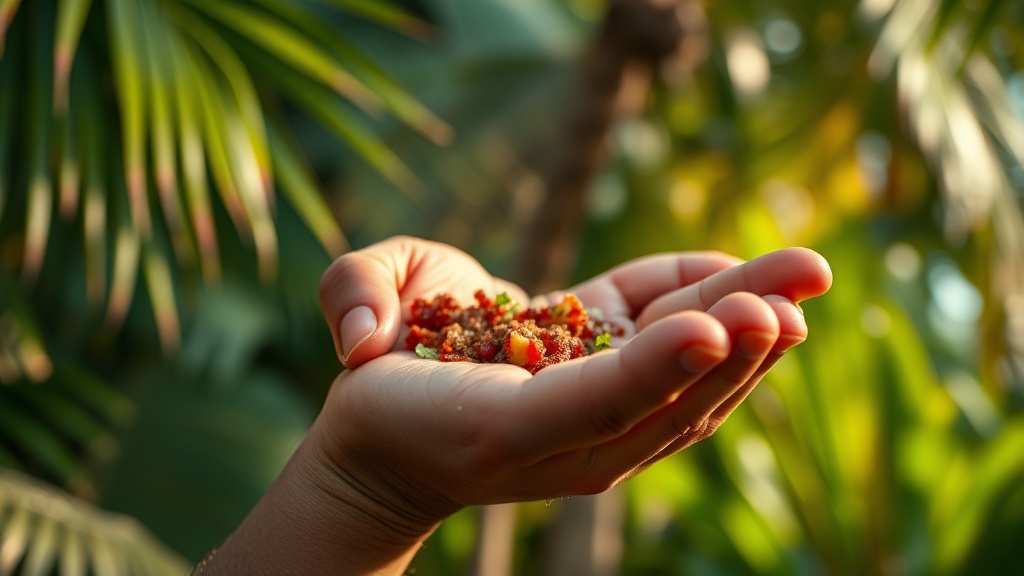
Why You Should Always Eat with Your Hands in the Tropics

A wooden platter of grilled snapper sits on a low table in a beachside shack in Bali, surrounded by piles of steamed jasmine rice and vibrant sambal. There are no metal forks or heavy ceramic plates in sight; instead, there is only the tactile reality of warm, seasoned rice and fresh seafood. This guide explains why eating with your hands is a fundamental part of the tropical dining experience, how it enhances the sensory connection to local flavors, and the practical etiquette required to do it respectfully in different coastal cultures.
The Sensory Connection to Tropical Flavors
Eating with your hands is more than a cultural quirk; it is a method of engaging with food that height enough senses. In tropical destinations like Thailand, Indonesia, and the Philippines, much of the cuisine is designed to be eaten via tactile interaction. When you use your fingers, you gain a direct connection to the temperature, texture, and weight of the food, which provides a more immersive dining experience.
Temperature Awareness: Using your hands allows you to sense the heat of a dish before it reaches your mouth. In many tropical regions, dishes are served steaming hot to combat humidity. Feeling the warmth through your fingertips prevents the common mistake of biting into something unexpectedly scalding, a frequent issue when relying solely on metal utensils. This is particularly true for dishes like Nasi Lemak in Malaysia or Nasi Kuning in Indonesia, where the rice is often served warm and fragrant.
Texture and Precision: Many tropical foods have unique textures that are difficult to navigate with a knife and fork. Consider the delicate flesh of a grilled prawns or the soft, pillowy texture of tropical fruits like papaya or mango. Using your fingers allows for a level of precision that utensils cannot match. You can feel the resistance of a shell or the softness of a ripe fruit, allowing you to adjust your grip and bite accordingly. This tactile feedback ensures you are getting the perfect ratio of sauce to solid food in every mouthful.
Cultural Etiquette and Hand Hygiene
While eating with your hands is common in many tropical regions, it is governed by specific social rules. Following these protocols ensures you are being a respectful traveler and not an accidental offender of local customs. The most important rule to remember is that hand usage is often highly specific to the type of food and the region you are visiting.
The Right Hand Rule
In many parts of Southeast Asia, the Middle East, and parts of the Indian Ocean, the left hand is traditionally considered unclean. This is because the left hand is historically used for personal hygiene tasks. When dining in a tropical beach setting—whether at a high-end resort in the Maldives or a local street stall in Thailand—always use your right hand to touch food and pass items to others. Even if you are left-handed, practicing with your right hand during meals is a sign of respect for local traditions.
The Importance of Pre- and Post-Meal Washing
Because you are using your skin as a tool, cleanliness is paramount. Most reputable tropical restaurants and beach clubs will provide a kobokan (a small bowl of water, often with a slice of lime) for washing your hands at the table. If you are dining at a more casual local stall, look for a communal hand-washing station nearby. To maintain hygiene, it is a good idea to carry a small bottle of hand sanitizer or unscented wet wipes in your bag. This is an essential part of the ultimate beach packing list to ensure you stay clean even when facilities are minimal.
Practical Techniques for Different Tropical Foods
Different types of tropical cuisine require different manual techniques. You cannot use the same grip for a piece of sticky rice that you would use for a piece of grilled fish. Mastering these specific movements will make your dining experience much smoother.
- The Rice Ball Technique: In many tropical cultures, rice is the foundation of the meal. To eat rice with your hands, lightly dampen your fingertips with water or a squeeze of lime. Use your fingers to press the rice into a small, manageable ball or mound. This makes the rice cohesive and prevents it from falling apart or sticking excessively to your skin.
- The Pinch and Lift: For smaller items like pieces of fried plantain, small shrimp, or pieces of tropical fruit, use a gentle pinch between your thumb and index finger. This provides control without crushing the food.
- The Shell Removal: When eating seafood like crab or large prawns, use your fingers to peel back the shells. This is often much faster and more efficient than using a specialized seafood tool. Once the shell is removed, you can use your fingers to lift the meat out of the shell directly to your mouth.
Enhancing the Flavor Experience
Eating with your hands can actually change how you perceive flavor. There is a psychological component to dining where the physical act of handling food prepares the brain for the upcoming taste. In the tropics, where spices like turmeric, ginger, and chili are prevalent, the tactile sensation adds a layer of anticipation.
The Role of Aromatics: When you pick up a dish, the warmth from your hands can slightly release the aromatic oils in the spices. For example, picking up a warm piece of coconut-infused bread or a spiced vegetable dish brings the scent closer to your nose, heightening your olfactory senses before the first bite. This makes the meal a multi-sensory event rather than just a caloric intake.
Managing Sauces and Spices: Many tropical dishes are served with heavy sauces, such as peanut sauce in Satay or coconut milk-based curries. When eating with your hands, you can control the amount of sauce that clings to your food. By using a "scooping" motion with a piece of bread or rice, you can ensure you get the perfect amount of liquid without making a mess. To stay hydrated and balance the heat of these spices, remember to beat the tropical heat with hydration-rich local fruits or coconut water between bites.
When to Stick to Utensils
While eating with your hands is a wonderful way to connect with the culture, there are certain scenarios where using utensils is still the standard or more practical choice. Being observant of the locals and the setting is key.
Formal Dining Environments: If you are at a fine-dining establishment or a high-end resort restaurant, it is usually best to stick to the provided cutlery unless the dish is specifically intended to be eaten by hand (such as certain types of seafood or traditional bread). In these settings, the etiquette is more aligned with international standards.
Soupy or Liquid-Based Dishes: While you might use your hands to hold a bowl or a piece of bread to soak up broth, you should never attempt to eat liquid-based dishes like Tom Yum soup or Laksa without a spoon. These dishes require a utensil to manage the liquid components and the floating herbs or noodles effectively.
Avoiding Mess in Public: If you are in a crowded public space or a transport hub, using utensils might be more practical to avoid getting oils or spices on your clothes or skin. If you are traveling with a beach bag, ensure you have enough napkins or wipes to clean up quickly if you do choose to eat with your hands in a casual setting.
Summary Checklist for Tropical Hand-Eating
To ensure you are prepared for your next coastal culinary adventure, keep this quick checklist in mind:
- Always use your right hand for touching food and passing dishes.
- Check for a kobokan or hand-washing station before starting your meal.
- Dampen your fingertips slightly when eating rice to prevent sticking.
- Use a "pinch" motion for delicate items like fruit or small seafood.
- Observe the locals to see how they are handling specific dishes.
- Carry hand sanitizer or wet wipes in your beach bag for convenience.