
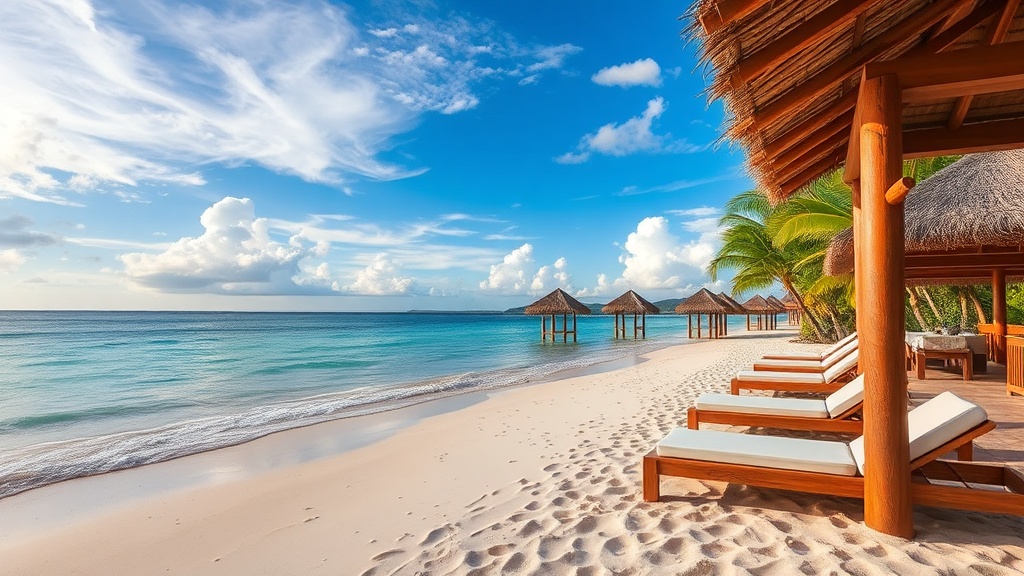
Where Should You Stay? Picking the Right Beach Accommodation for Your Tropical Trip

Imagine stepping off a long flight to Phuket, Thailand—humid air hitting your face, taxi driver waiting with your name on a sign, excitement building for that oceanfront bungalow you booked months ago. You arrive at the property, roll your suitcase past the lobby, open your room door... and stare at a parking lot separating you from the beach you thought was "steps away." That gap between expectation and reality ruins more tropical vacations than bad weather ever does.
Choosing where to stay along a coastline isn't simply about finding a bed near water. Your accommodation type—resort, villa, boutique hotel, or eco-lodge—determines your daily rhythm, dining options, social interactions, and proximity to the activities you actually want to do. Make the wrong choice and you'll spend your vacation commuting between where you sleep and where you want to be.
What's the Real Difference Between Beachfront and Oceanfront?
Hotel descriptions play loose with geography. "Oceanfront" technically means facing the ocean—which could still place a busy highway, boardwalk, or row of buildings between your room and the sand. "Beachfront" implies direct access to the beach itself, though the quality of that beach varies dramatically. "Beach access" often translates to "you can walk there eventually"—sometimes requiring shuttles, steep stairs, or traversing private property.
When evaluating properties, study satellite imagery rather than trusting adjectives. Zoom in on Google Maps. Does the property actually touch sand? Is there vegetation blocking views? Are neighboring buildings under construction that will generate noise and obstruct sightlines? These details rarely appear in promotional materials but significantly impact your experience.
Room category matters too. Ground-floor "garden view" rooms might save money but leave you staring at hedges rather than horizons. Upper floors provide better vistas but require more steps (or elevator rides) when you want to swim. Balcony depth affects usability—some "balconies" are barely deep enough for standing, while others accommodate morning coffee and evening wine comfortably.
Should You Book an All-Inclusive Resort or Go Independent?
This decision shapes your entire vacation rhythm. All-inclusive properties excel at removing friction. Your room, meals, drinks, entertainment, and water sports live within walking distance. Budgeting becomes predictable—you know your total cost before departure.
However, that convenience creates limitations. You're somewhat isolated from local culture. Dining options remain confined to resort restaurants rather than beachside shacks where fishermen grill today's catch. Excursions cost extra (often marked up significantly), and the "resort bubble" can feel artificial. The controlled environment stifles spontaneity—no wandering down the beach to that reggae bar you heard playing yesterday.
Going independent demands more effort but rewards curiosity. You'll research restaurants, negotiate taxi fares, and potentially struggle with language barriers. Those challenges become stories later—the misunderstanding that led to eating grilled squid you didn't order, the recommendation from a shopkeeper that revealed a hidden cove. Beaches Resorts and similar properties serve travelers wanting simplicity, while independent bookings suit those prioritizing authenticity.
Your travel style determines the right fit. Families with young children often appreciate all-inclusive predictability. Couples celebrating anniversaries might prefer boutique hotel intimacy. Adventure travelers typically want the flexibility that independent bookings provide.
What Amenities Actually Matter for a Beach Vacation?
Hotel websites showcase infinity pools, spa services, and multiple restaurants. These features impress during booking—but which ones will you actually use?
Beach chairs and umbrellas sound minor until you're paying $40 daily to rent them elsewhere. Properties providing complimentary equipment (snorkel gear, kayaks, paddleboards) save significant money over a week-long stay. Verify whether "beach access" means a private stretch of sand or a shuttle to a public beach ten minutes away.
Wi-Fi quality matters more than most admit. Remote workers need reliable connections for video calls. Even vacationers want to share photos, research dinner spots, and check weather forecasts without walking to the lobby. Some isolated beach properties still struggle with connectivity—read recent reviews mentioning internet speed.
Air conditioning isn't universal. Older Caribbean properties and eco-lodges in Costa Rica often rely on ceiling fans and ocean breezes. That's charming until you're sweating through sheets at 2 AM. If you sleep hot, confirm AC availability explicitly rather than assuming.
Kitchen facilities transform longer stays. Eating every meal at restaurants exhausts both your wallet and your patience. Even a basic kitchenette allows breakfast on your balcony and midnight snacks. Full kitchens enable cooking with local ingredients—fresh fish from morning markets, tropical fruits from roadside stands.
Reading Between the Lines of Beach Property Descriptions
Marketing language obfuscates reality. "Steps from the beach" might mean 200 steps across a parking lot. "Ocean views" could describe a sliver of blue visible only when standing on your toilet and craning your neck. "Recently renovated" sometimes indicates new paint over structural problems.
Satellite maps reveal truth. Google Maps shows the actual relationship between property and shoreline. Does a highway separate the hotel from the sand? Is the beach rocky or sandy? Are there neighboring construction projects that will generate noise during your stay?
Review aggregation sites help—if you read critically. Filter by recent reviews mentioning your specific concerns. A property with hundreds of five-star ratings might have changed management six months ago. Recent one-star complaints about cleanliness or broken AC deserve attention regardless of overall score.
Photography tricks abound. Wide-angle lenses make rooms appear spacious. Golden hour lighting flatters worn exteriors. That "secluded beach" photo was shot at 6 AM before the crowds arrived. Cross-reference property photos with tagged Instagram posts from recent guests for unfiltered perspectives.
Timing Your Booking for Better Beach Stays
Reservation timing significantly impacts both price and selection. Beach destinations follow predictable patterns that savvy travelers exploit.
Peak season (December through April in the Caribbean, June through August in Mediterranean spots) brings premium pricing and scarce availability. Book six to nine months ahead for peak-season travel, especially if you want specific room categories like overwater bungalows or beachfront suites.
Shoulder season—the months flanking peak periods—offers compelling value. May and November in the Caribbean bring lower rates before hurricane season intensifies. September along the Amalfi Coast means thinner crowds and pleasant swimming temperatures, though some restaurants close for staff holidays.
Last-minute deals exist but require flexibility. Properties discount unsold inventory two to four weeks before arrival. This strategy works for spontaneous travelers with loose destination preferences. Families requiring adjoining rooms or specific bed configurations should book early rather than gamble on availability.
Common Mistakes That Ruin Beach Vacations
Even experienced travelers stumble into predictable traps. Awareness prevents disappointment.
Assuming all beaches swim equally ignores local conditions. Some Caribbean islands have calm, protected bays perfect for children while their windward coasts generate dangerous rip currents. Research specific beach characteristics—wave height, entry slope, marine life presence—rather than trusting "beautiful beach" descriptions blindly.
Over-scheduling activities defeats the purpose. You've traveled thousands of miles to relax, yet packed your itinerary with daily excursions. Build empty days into your schedule. The best beach moments often happen spontaneously—a conversation with a local, an extended float in warm water, an afternoon nap in a hammock.
Packing wrong footwear creates daily frustration. Flip-flops handle sand adequately but destroy your ankles on cobblestone streets or hiking trails to viewpoints. Water shoes protect against urchins and sharp coral while snorkeling. One pair of versatile sandals bridges beach and town environments.
Ignoring local customs leads to awkwardness. Topless sunbathing acceptable in French Polynesia might offend in Muslim-majority Maldives. Some beaches prohibit alcohol; others require cover-ups when leaving the sand. Quick research into local norms prevents uncomfortable confrontations. U.S. State Department travel resources provide cultural guidance for specific destinations.
Your beach accommodation choice shapes every sunrise you witness, every evening stroll you take, every moment between excursions and meals. The right fit aligns with your priorities—whether that's uninterrupted luxury, cultural immersion, family-friendly convenience, or budget-conscious independence. Take time evaluating options beyond glossy photos and marketing promises. That diligence rewards you with a private slice of shoreline that feels personally curated rather than randomly assigned.