Underrated Tropical Beaches Worth the Trip You've Never Considered

There's a persistent myth in travel planning—that the best beaches are the ones you've seen on postcards your entire life. You know the ones: crowded strips of sand where umbrellas fight for space and you're shoulder-to-shoulder with strangers. But here's the truth that seasoned beachcombers have known for years—the world's most spectacular stretches of coastline aren't the famous ones plastered across Instagram. They're tucked away, often unmarked on tourist maps, waiting for travelers willing to look beyond the obvious.
This isn't about gatekeeping secret spots or pretending you'll find a deserted paradise with zero effort. (Let's be real—truly undiscovered beaches barely exist anymore.) Instead, it's about redirecting your attention toward tropical destinations that offer the same crystal-clear waters, powder-soft sand, and swaying palms—without the premium price tags, the reservation battles, or the feeling that you're standing in line for an experience.
Why do travelers flock to overcrowded beaches when better alternatives exist?
The answer, unfortunately, comes down to comfort and familiarity. Booking a trip to a well-known beach destination feels safe. You know exactly what you're getting. There's comfort in recognizing the shoreline from movies and travel magazines. But that safety comes at a cost—namely, your actual experience.
Consider Thailand's Maya Bay. Once a pristine cove made famous by a film, it became so overrun that authorities had to close it completely for ecological recovery. The same pattern plays out across the globe. National Geographic reports on overtourism's devastating effects on coastal ecosystems worldwide. When millions descend on the same narrow strips of sand, the very beauty that drew them there begins to degrade.
But here's what most travelers miss—just a few miles down the coast, or on a neighboring island, there are beaches that rival (and sometimes exceed) the beauty of their famous counterparts. The difference? You'll actually have room to breathe. You won't need to wake at dawn to claim a spot. You might even find yourself alone with the waves.
What are the most underrated tropical beaches hiding in plain sight?
Let's get specific—because vague promises about "hidden gems" aren't particularly helpful when you're planning an actual trip.
Koh Rong Samloem, Cambodia often gets overshadowed by Thailand's islands, which is ironic because it offers some of the same postcard-perfect scenery without the full-moon party crowds. The beaches here—particularly Lazy Beach and Saracen Bay—feature bioluminescent plankton that light up the shoreline at night. It's the same natural phenomenon that draws visitors to Puerto Rico's famous Mosquito Bay, but here you won't need a reservation system to witness it.
Then there's Sao Tome and Principe—a nation most travelers couldn't locate on a map. This two-island country off Central Africa's coast harbors beaches that look like they've been stolen from the Seychelles. Praia Banana earned its name honestly—the beach curves like a yellow crescent against turquoise water. The kicker? You'll likely share it with more sea turtles than tourists.
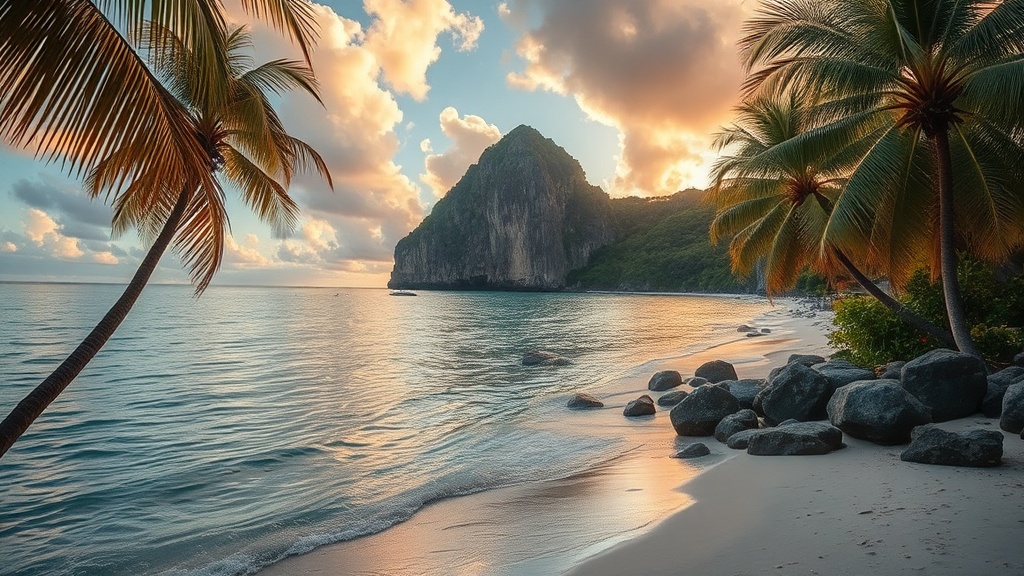
For those who prefer Caribbean waters, skip the Dominican Republic's packed resort strips and head to Barahona Province on the southwest coast. Playa San Rafael offers a dramatic backdrop where mountains meet the sea, and the water shifts from deep blue to impossible aquamarine. Local fishermen still haul their catch ashore here—there's no all-inclusive buffet in sight.
The Gili Islands—not the ones near Bali (which have become overcrowded themselves), but Gili Meno specifically—maintain a sleepy, undeveloped atmosphere that feels like Bali did decades ago. No motorized vehicles. No chain restaurants. Just white sand, coral reefs you can reach by swimming from shore, and the kind of silence that's increasingly rare in tropical destinations.
How can you find secret beaches before everyone else does?
Finding these spots requires a shift in how you research—not harder work, just different work. Skip the first three pages of Google results. Ignore any listicle that promises "secret beaches" while featuring locations with hundreds of TripAdvisor reviews.
Start with satellite imagery. Tools like Google Earth let you scout coastlines from above, looking for beaches near known destinations that lack development. Look for thin white lines adjacent to green (indicating vegetation rather than resorts). Then cross-reference with local tourism boards—not the glossy international versions, but regional offices that cater to domestic travelers.
Talk to locals when you arrive. Not hotel concierges (who often have commission-based partnerships), but the person running the family-owned restaurant down the road. Ask where they'd go if they wanted to swim without fighting crowds. These conversations—awkward as they might feel at first—reveal beaches that don't appear in English-language guidebooks.
Consider the shoulder season. Many tropical destinations have two distinct periods: peak tourist months when prices skyrocket, and the transitional months when rain is slightly more likely but still intermittent. The National Weather Service explains tropical weather patterns that help explain why "rainy season" is often misleading—showers tend to be brief and localized. Visiting during these windows means half-empty beaches and accommodation rates that won't drain your savings.
Transportation also matters. Beaches accessible by paved road and public bus will always be busier than those requiring a motorbike, a boat ride, or a hike. This isn't to say you should attempt dangerous journeys—but a willingness to trade convenience for solitude opens up options that day-trippers won't reach.
What should you expect from these quieter tropical escapes?
Let's set realistic expectations—because underrated beaches come with trade-offs.
You probably won't find beachfront restaurants serving elaborate cocktails. There won't be rental shops offering every watersport under the sun. WiFi will be spotty or nonexistent. In exchange, you get something increasingly valuable: the beach experience as it existed before mass tourism—natural, unscripted, and genuinely restorative.
Bring supplies. Pack a cooler with water and snacks. Download offline maps before you go. Tell someone where you're headed (safety first, always). These preparations mean you can stay for hours without needing to trek back to civilization.
The marine life tends to be more abundant at less-visited beaches, too. Without constant boat traffic and chemical sunscreen washing off hundreds of swimmers daily, reefs recover and fish populations thrive. Bring snorkeling gear—you might spot species that have disappeared from heavily trafficked areas.
Respect carries extra weight in these places. Local communities often rely on these beaches for fishing or simply for their own recreation. The Coral Reef Alliance offers guidelines for responsible snorkeling and beach use that help preserve these ecosystems for everyone. Pack out everything you bring. Don't collect shells or coral—even broken pieces play roles in coastal ecosystems. And if you see wildlife, observe from a distance.
The goal isn't to replace famous beaches entirely—some destinations earn their reputation through genuinely exceptional qualities. But your tropical vacation shouldn't feel like you're queuing for a theme park attraction. By redirecting your search toward lesser-known shores, you trade the comfort of the familiar for the thrill of discovery. You trade crowded sunsets for private ones. And you return home with stories that don't sound like everyone else's vacation recap.