
Top Tropical Island Hopping Routes for Sun Seekers

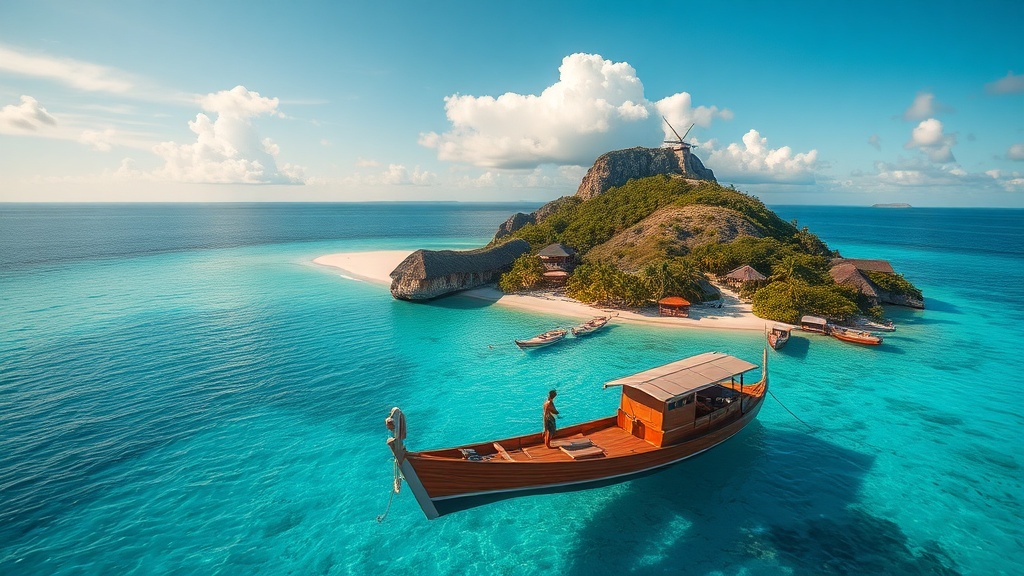
Picture this: you're standing on the deck of a small wooden ferry, the salt spray hitting your face, as a new island—lush, green, and ringed by white sand—slowly emerges from the horizon. This isn't just a single destination; it's a series of interconnected tropical paradises. Island hopping transforms a standard beach vacation into a multi-layered adventure where every morning brings a different shade of blue and a different local flavor. This post covers the most reliable routes for exploring tropical archipelagos, helping you decide where to set your sights next.
Traveling between islands requires a bit more coordination than a standard land-based trip. You aren't just checking into a hotel; you're checking schedules, boat capacities, and weather patterns. Whether you want the high-end luxury of the Maldives or the rugged, backpacker-friendly vibes of the Philippines, the way you move between landmasses defines your entire experience.
Where are the best places to go island hopping?
If you're looking for variety, the Caribbean remains a heavy hitter. The British Virgin Islands (BVI) offer a classic route where you can move from the bustling docks of Tortola to the quiet, secluded coves of Virgin Gorda. Many travelers use a catamaran for this—it's a great way to stay mobile while having a base of operations. If you prefer something more exotic, the islands of Thailand are unbeatable. Moving from Phuket to the Phi Phi Islands or Koh Samui allows you to experience everything from high-energy beach clubs to quiet, jungle-heavy shores.
Another incredible option is the Greek Isles, though it leans more Mediterranean than tropical, the feeling of island hopping remains the same. For a true tropical deep-dive, look toward the Indonesian archipelago. With thousands of islands to choose from, you can find routes that take you from the volcanic peaks of Bali to the pristine, untouched shores of Komodo National Park. Each route offers a distinct vibe—some are geared toward luxury, while others are perfect for budget-conscious explorers.
- The Caribbean Route: Focus on the BVI and USVI for a blend of sailing and relaxation.
- The Southeast Asia Route: Explore the Thai islands or the Philippines for diverse landscapes and affordable transport.
- The Indonesian Route: Dive into the waters around Bali and Lombok for world-class surfing and diving.
How do I plan a tropical boat itinerary?
Planning a route through the water isn't as simple as booking a flight. You need to consider the "anchor" islands—the larger hubs where you'll likely arrive and depart. For example, if you're heading to the Philippines, Manila or Cebu will be your primary entry points. From there, you'll need to look at regional flights or long-haul ferries to reach smaller island groups like El Nido or Coron. It's wise to look at Lonely Planet for detailed breakdowns of local transport-specifics in these regions.
A common mistake is trying to see too much too fast. If you spend four days traveling between islands, you aren't actually enjoying the beach. A good rule of thumb is to spend at least three days on each major island. This allows you to settle in, find your favorite local cafe, and actually touch the sand without feeling rushed. You can check real-time weather and maritime updates through the National Oceanic and Atmospheric Administration to ensure your planned routes aren't being disrupted by seasonal storms or high swells.
What is the best time of year for island hopping?
Timing is everything when you're at the mercy of the tides and the wind. In the Caribbean, the dry season (roughly December through May) is the gold standard for clear skies and calm waters. If you go during hurricane season, you're taking a significant risk with your itinerary. In Southeast Asia, you have to be mindful of the monsoon seasons. While the islands in the Andaman Sea (like Phuket) have different wet seasons than the Gulf of Thailand (like Koh Samui), it's always best to research the specific micro-climates of your chosen route.
The water temperature also plays a role in your enjoyment. If you're a fan of snorkeling or diving, you'll want to time your trip when the water is at its warmest and clearest. High humidity can be a shock to the system, but in tropical destinations, it's part of the charm. Just remember that the "shoulder seasons"—the months right before or after the peak season—can offer much lower prices, though you might encounter a bit more rain or slightly choppier seas.
Comparing Popular Island Hopping Styles
| Style | Best For | Typical Transport |
|---|---|---|
| Luxury Cruising | Couples & Honeymooners | Private Catamaran or Yacht |
| Backpacker Route | Solo Travelers & Students | Public Ferries & Speedboats |
| Adventure Exploring | Divers & Surfers | Local Water Taxis & Small Planes |
Choosing your style depends on your budget and your comfort level. A private catamaran in the Caribbean is a dream for many, providing a seamless transition from one beach to the next without the crowds. On the other hand, the public ferry-based routes in Southeast Asia are much more social and allow you to meet fellow travelers from all over the world. There's no right way to do it—only the way that fits your sense of adventure.
Don't forget to pack a waterproof dry bag for your electronics. Between the sea spray and the inevitable tropical downpour, your gear will need protection. A reliable dry bag is a small investment that saves a lot of heartache when you're moving between boats and docks. Always keep an eye on the horizon; the weather can change quickly in these regions, and being prepared helps you stay in the moment rather than worrying about a sudden storm.