
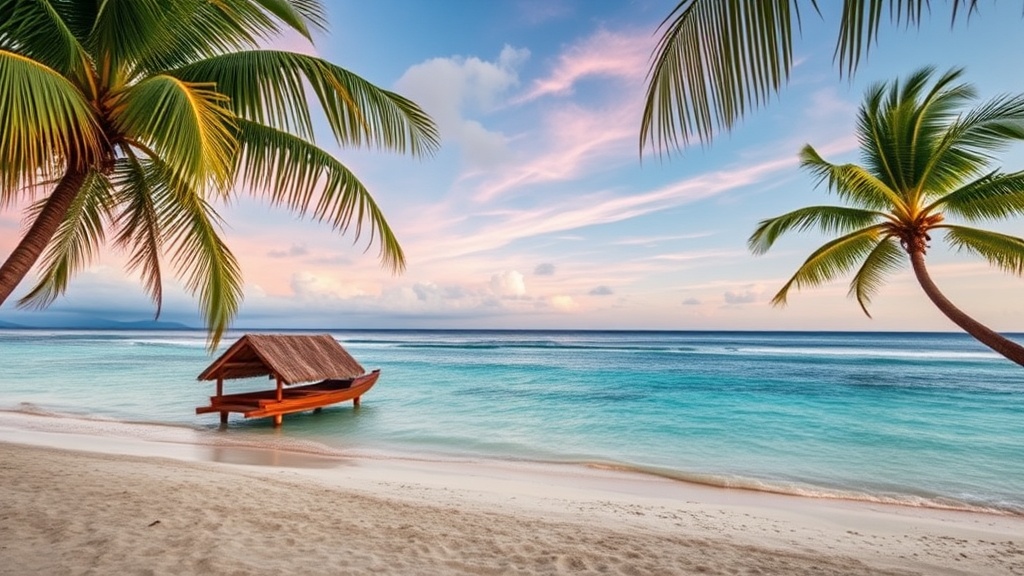
The Ultimate Guide to Planning Your Dream Tropical Beach Vacation

This guide covers everything you need to plan the perfect tropical beach vacation — from choosing the right destination and timing your trip to packing smart and finding hidden savings. Whether you're dreaming of Bora Bora's overwater bungalows or the powdery sands of Turks and Caicos, the information here will help you make informed decisions and avoid common (and expensive) mistakes.
When Is the Best Time to Book a Tropical Beach Vacation?
The sweet spot is typically 4-6 months in advance for international destinations. You'll find the best rates and widest selection of accommodations during this window. That said, flexibility is your friend — traveling during shoulder season (the weeks just before or after peak season) can cut costs by 30-50% without sacrificing much in terms of weather.
For Caribbean destinations, mid-April through early June offers an ideal balance. The spring break crowds have gone home, hurricane season hasn't started, and resorts slash prices to fill rooms. In Southeast Asia — think Thailand's Phuket or Bali — the dry season runs November through March, but October and April often deliver pleasant weather with fewer tourists and lower rates.
Here's the thing about last-minute deals: they exist, but they're risky. If your heart is set on a specific resort (like the iconic Four Seasons Resort Bora Bora), waiting until the last minute likely means disappointment. Generic beach vacation? You might get lucky.
Which Tropical Destination Should You Choose?
Your ideal destination depends on budget, travel time, and what kind of beach experience you're after. The Caribbean offers proximity for North American travelers — you can be toes-in-sand within hours. Southeast Asia delivers incredible value and culture but requires longer flights. The South Pacific? Absolutely spectacular, but you'll pay premium prices and lose days to travel time.
| Destination | Best For | Avg. 7-Day Cost (Couple) | Flight Time from NYC |
|---|---|---|---|
| Cancun/Riviera Maya | All-inclusive value, quick trips | $2,500 - $4,000 | 4 hours |
| Costa Rica (Guanacaste) | Adventure + beach combo | $3,000 - $5,000 | 5.5 hours |
| Turks and Caicos | Luxury, pristine beaches | $5,000 - $8,000 | 3.5 hours |
| Bali | Culture, value, variety | $2,000 - $3,500 | 20+ hours |
| Maldives | Ultimate luxury, seclusion | $7,000 - $15,000 | 18+ hours |
The catch? Price and convenience aren't everything. Turks and Caicos has some of the world's most beautiful water — that trademark translucent turquoise you see in screensavers — but it's expensive and dining options outside resorts are limited. Bali offers incredible value (you can stay at the Ayana Resort for a fraction of comparable Caribbean properties), but the 20+ hour path from the East Coast isn't for everyone.
Worth noting: Hawaii often gets overlooked in tropical discussions, but the Big Island's Kona Coast and Maui's Wailea deliver legitimate tropical beach experiences without leaving the United States. No passport required, no currency exchange, and domestic flight prices.
What Should You Pack for a Tropical Beach Vacation?
Less than you think. Most tropical destinations have laundry services, and you'll spend 80% of your time in swimwear anyway. The goal is a carry-on bag — checked luggage adds fees, wait times, and the risk of arriving at paradise while your bags visit somewhere else entirely.
Start with reef-safe sunscreen. Regular sunscreen is banned in Hawaii, Palau, and parts of Mexico — and for good reason. The chemicals harm coral ecosystems. Look for mineral-based options from brands like Sun Bum or Supergoop. You'll pay a bit more, but you'll avoid fines and help preserve the reefs you're there to enjoy.
Footwear is simple: one pair of sandals (Chacos or Tevas for versatility), one pair of flip-flops (Havaianas — they're worth it), and water shoes if you plan to snorkel or walk rocky shores. That's it. Leave the dress shoes home unless you're staying at a resort with strict dinner dress codes.
Clothing essentials include:
- 3-4 swimsuits (they need time to dry — rotating prevents that damp, mildewy smell)
- 2-3 lightweight cover-ups or sundresses
- 2 pairs of shorts and 3-4 breathable tops
- One lightweight long-sleeve shirt for sun protection and air-conditioned restaurants
- A hat with a brim — baseball caps don't cut it for neck protection
That said, don't forget the tech essentials: a waterproof phone case (the LifeProof cases work well), a portable charger, and a dry bag for boat trips. Water and electronics don't mix — and replacing a waterlogged phone ruins any vacation.
How Can You Save Money Without Sacrificing Experience?
Smart booking strategies matter more than cutting corners. The biggest mistake? Booking activities through your resort without checking alternatives. Resort concierges often take 30-40% commissions, inflating prices significantly.
For excursions — snorkeling trips, sunset sails, island hopping — book directly with local operators or through reputable platforms like Viator. In destinations like Thailand or Mexico, walking into local tour offices can cut prices in half compared to resort bookings. (Just verify safety standards and read recent reviews first.)
Accommodation strategy matters too. Instead of seven nights at a luxury resort, consider splitting your stay — four nights at a high-end beachfront property, then three at a charming (and much cheaper) inland hotel or Airbnb. You'll experience more variety and save enough to splurge on that private sunset cruise.
Here's the thing about dining: all-inclusive packages aren't always the deal they appear. If you're a light eater or plan to explore local restaurants, paying as you go often works out cheaper. Do the math — multiply the daily rate by your typical meal costs. At the Excellence Playa Mujeres in Mexico, the all-inclusive premium runs about $200 per night per couple. Can you eat and drink $200 worth daily? Maybe. Maybe not.
Transportation savings add up quickly. Resort transfers often cost $75-150 each way. A pre-booked private driver (find them on TripAdvisor forums or travel Facebook groups) typically charges half that. In places like Bali, the Grab app (Southeast Asia's Uber equivalent) offers rides for a fraction of hotel transport costs.
What Activities Beyond the Beach Are Worth Your Time?
The best tropical vacations balance relaxation with experiences. Yes, the beach is the main attraction — but spending ten days doing nothing but lying on sand gets old (and sunburned) fast.
Snorkeling should be non-negotiable wherever coral reefs exist. The Maldives' Banana Reef, Belize's Great Blue Hole, and Australia's Great Barrier Reef get attention — but don't overlook spots like Roatan (Honduras) or the Gili Islands (Indonesia), where you can swim with sea turtles for the cost of a $10 snorkel rental.
Cultural experiences ground your trip in something deeper than postcard views. In Bali, visit the Tirta Empul water temple for a purification ritual. In Thailand, take a cooking class — you'll return home able to recreate authentic pad thai. The Dominican Republic's Altos de Chavón, a recreated 16th-century Mediterranean village, offers surprising cultural depth beyond the beach.
Worth noting: overwater bungalow resorts often trap guests in bubbles — beautiful bubbles, but bubbles nonetheless. If you're staying at the St. Regis Bora Bora, force yourself off-property at least twice. Visit the main island. Eat where locals eat. These experiences become the stories you tell later — not how comfortable your king-size bed was.
Common Mistakes That Ruin Tropical Vacations
Ignoring the sun's intensity tops the list. That tropical sun — especially near the equator — burns faster and deeper than summer sun at home. Apply sunscreen before you feel burned. By the time your skin feels hot, damage is done. Reapply every two hours. Wear rash guards for extended snorkeling. Sun poisoning on day two destroys the remaining eight days.
Underestimating travel time between islands is another classic error. Yes, the Philippines has 7,000+ islands. No, you can't see ten of them in a week. Island hopping sounds romantic; reality involves ferry schedules, weather delays, and checking in/out of hotels constantly. Pick two bases maximum for a week-long trip.
Overpacking the itinerary kills the tropical vibe. That said, booking nothing in advance causes problems too — popular restaurants (like Mama's Fish House in Maui) require reservations months ahead. Balance matters. Book the can't-miss experiences early. Leave afternoons open for spontaneous beach naps.
"The perfect beach vacation isn't about doing everything — it's about being fully present for what you do choose to do."
Final thought: tropical beach vacations reward preparation but punish over-planning. Do your research. Book the essentials. Then — and this is the hard part — let the rest unfold. The best memories often come from unplanned moments: the local fisherman who shares his catch, the hidden beach you find by accident, the afternoon storm that forces you into a beach bar where you meet friends for life.
Your dream vacation awaits. The water is warm. The sand is soft. Start planning — but leave room for magic.