
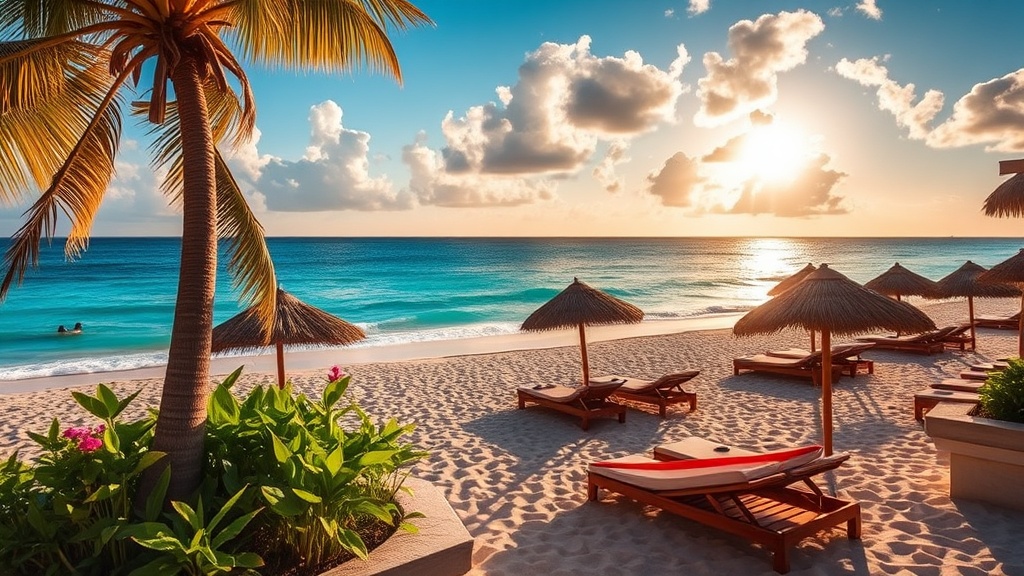
The Ultimate Guide to Caribbean Beach Vacations: Paradise Awaits

This guide covers everything you need to plan an unforgettable Caribbean beach vacation — from choosing the right island and finding the best resorts to packing tips, activity recommendations, and budget strategies. Whether you're dreaming of powder-white sands in Turks and Caicos or vibrant coral reefs in Belize, you'll find actionable advice to turn that tropical fantasy into reality.
Which Caribbean Island Is Right for Your Vacation?
The best island depends on what you want from your trip. Each destination offers a distinct personality — some cater to luxury seekers, others to adventure travelers, and some deliver authentic cultural immersion.
The Bahamas sits just 50 miles off Florida's coast, making it ideal for short getaways. The 700 islands range from bustling Nassau (home to the massive Atlantis Paradise Island resort) to secluded Out Islands like Exuma — famous for swimming pigs and crystal-clear water. That said, The Bahamas isn't technically in the Caribbean Sea; it's in the Atlantic, though most travelers group it with Caribbean destinations.
Jamaica delivers reggae rhythms, jerk chicken, and lush mountain landscapes alongside its beaches. Montego Bay and Negril offer all-inclusive convenience, while Port Antonio attracts travelers seeking unspoiled coastlines. Here's the thing — Jamaica's beaches vary dramatically. Seven Mile Beach in Negril offers postcard perfection, while some northern coast beaches suffer from seaweed accumulation during certain seasons.
Aruba guarantees sunshine. Located outside the hurricane belt, this Dutch island sees less than 20 inches of rain annually. Eagle Beach consistently ranks among the world's best — wide, pristine, and lined with iconic divi-divi trees. The catch? Aruba's desert space means you'll trade lush greenery for reliable weather.
St. Lucia appeals to couples and nature lovers. The Pitons — twin volcanic peaks rising from the sea — create a dramatic backdrop. Sugar Beach (formerly Jalousie Plantation) sits right between them. Resorts here tend toward boutique luxury rather than mega-resorts.
| Island | Best For | Beach Type | Budget Range |
|---|---|---|---|
| Turks and Caicos | Luxury, diving | Powder-white sand | $$$$ |
| Dominican Republic | Value, all-inclusives | Golden sand, waves | $$ |
| Barbados | Culture, surfing | Varied coastline | $$$ |
| Antigua | Sailing, 365 beaches | Protected bays | $$$ |
| Cayman Islands | Snorkeling, safety | Coral sand, clear water | $$$$ |
For families, the Dominican Republic's Punta Cana offers exceptional value — resorts like Hyatt Ziva Cap Cana provide water parks, kids' clubs, and multiple pools at rates well below comparable Caribbean properties. Worth noting: the DR's beaches face the Atlantic, meaning stronger waves and occasional seaweed compared to Caribbean-facing islands.
When Is the Best Time to Visit the Caribbean?
December through April offers ideal weather — temperatures hover between 75-85°F with minimal rainfall. This peak season brings premium prices and crowded beaches, but you'll avoid hurricane risks and daily afternoon showers common in summer months.
June through November constitutes hurricane season. The statistical peak occurs September 10, though storms rarely affect the entire region simultaneously. Islands like Aruba, Bonaire, and Curaçao (the "ABC islands") sit far south and rarely experience hurricanes. Travelers willing to gamble on weather can find rates 40-60% lower during this period.
Shoulder season — mid-April through June and November — strikes a balance. You'll encounter fewer crowds, reasonable rates, and generally good weather. May particularly shines: the winter crowds have departed, summer storms haven't arrived, and hotel prices drop significantly.
Here's the thing about water temperature — it barely fluctuates. Even in "winter," Caribbean water stays around 78-80°F. You won't need a wetsuit for snorkeling. Ever.
What Should You Pack for a Caribbean Beach Vacation?
Less than you think. Most Caribbean destinations maintain warm temperatures year-round, eliminating the need for heavy clothing. Focus on lightweight, breathable fabrics and versatile pieces.
Beach essentials:
- Reef-safe sunscreen (oxybenzone and octinoxate free) — many islands including Hawaii and Key West have banned harmful sunscreens, and the trend is spreading
- Polarized sunglasses — the sun reflects intensely off white sand and water
- Rash guard or swim shirt — sun protection that doesn't wash off in salt water
- Water shoes — key for rocky beaches and coral protection
- Dry bag — keeps electronics safe during boat trips and sudden tropical showers
Clothing strategy: Bring two swimsuits (so one always dries), three casual outfits for dinners, and one "nice" outfit for upscale restaurants. Most Caribbean dining remains casual — linen pants and a polo shirt handle almost any restaurant dress code. That said, some resorts (particularly Sandals and Excellence properties) host formal nights requiring cocktail attire.
Pack a reusable water bottle. Many islands have excellent tap water (Barbados, Cayman Islands), while others rely on desalination or bottled water. Either way, you'll stay hydrated and reduce plastic waste.
Tech and Gear Recommendations
A waterproof phone case pays dividends. The LifeProof FRĒ or similar cases let you capture underwater photos without risking your device. For serious snorkeling photography, consider a dedicated underwater camera like the GoPro Hero 12 Black or OM System Tough TG-7 — both handle depths and impacts that destroy phones in waterproof cases.
Bring a portable charger. Beach days drain batteries fast (GPS, camera, Bluetooth speakers), and outdoor outlets remain rare.
How Much Does a Caribbean Vacation Cost?
Budgets vary wildly. A backpacker hostel in Caye Caulker, Belize runs $25/night. An overwater bungalow at Sandals Royal Caribbean in Jamaica costs $1,500+ nightly. Most travelers spend $200-500 per day including accommodation, food, and activities.
Accommodation breakdown:
All-inclusive resorts dominate the Caribbean vacation space for good reason. Properties like Excellence Oyster Bay (Jamaica), Secrets St. James (Montego Bay), and Club Med Punta Cana bundle unlimited food, drinks, activities, and entertainment into one price. The math works favorably for travelers who enjoy cocktails and water sports — paying à la carte often doubles your costs.
Vacation rentals through Vrbo or similar platforms offer alternatives, particularly for families or groups. A three-bedroom villa in Turks and Caicos splits cost-effectively and provides kitchen facilities — grocery shopping at Graceway Gourmet or local markets cuts food expenses significantly.
Money-saving tactics:
- Book flights 2-3 months ahead — Caribbean routes fill quickly during peak season
- Consider lesser-known islands — Dominica, St. Vincent, and Saba offer dramatic landscapes at fraction of Aruba or St. Barts prices
- Travel Tuesday to Tuesday — weekend flights carry premiums
- Skip the rental car at resorts — most offer free airport transfers and on-site activities
Hidden Costs to Anticipate
Resort fees (often $30-50 daily), tourism taxes (varies by island), and gratuities add up. Some all-inclusives include tips; others don't — always verify. Departure taxes (paid at airports) range from $20-60 depending on destination.
Excursions represent the biggest variable expense. A catamaran snorkel trip runs $80-120 per person. Scuba diving costs $100-150 per two-tank dive. Zip-lining, ATV tours, and private boat charters climb higher. Worth noting: booking directly with local operators (found through TripAdvisor or Google Maps reviews) often beats resort markup by 30-50%.
What Activities Beyond Beach Lounging Should You Consider?
The Caribbean offers far more than horizontal relaxation. Water sports dominate, but each island harbors unique adventures.
World-class snorkeling and diving: The Belize Barrier Reef (UNESCO World Heritage site), the underwater sculpture park in Grenada, and the wall dives of the Cayman Islands rank among the planet's best. Bonaire pioneered shore diving — you rent a truck, fill tanks yourself, and drive to marked dive sites along the coast. No boat required.
Cultural experiences: Old San Juan's colorful colonial streets, the Rastafari indigenous village in Jamaica, and the French-Creole markets of Martinique offer authentic glimpses beyond beach resorts. Havana's crumbling architecture and vintage cars transport visitors to another era (though U.S. travel restrictions complicate Cuban visits — check current regulations before booking).
Natural wonders: Hike through El Yunque rainforest in Puerto Rico. Swim in bioluminescent bays — Mosquito Bay in Vieques ranks brightest, though Jamaica's Luminous Lagoon and Puerto Rico's Laguna Grande also glow. The catch? Moon phases matter significantly; visit during a new moon for maximum visibility.
Food tours reveal Caribbean complexity beyond jerk chicken and piña coladas. Barbados offers "foodie Fridays" at Oistins Fish Fry — fresh mahi-mahi grilled before your eyes. Trinidad's street food (doubles, roti, bake and shark) reflects Indian and African influences. Puerto Rico's lechón (roast pork) in Guavate satisfies serious carnivores.
"The Caribbean isn't one destination — it's dozens, each with distinct cultures, cuisines, and coastlines. Don't island-hop trying to see everything; pick one place and explore deeply."
Is It Safe to Travel in the Caribbean?
Generally yes, with caveats. Tourist areas maintain strong security — resorts invest heavily in guest safety. That said, some islands face higher crime rates than others.
The Cayman Islands, Bonaire, and Barbados report low violent crime rates and welcome solo travelers confidently. Jamaica and the Dominican Republic see higher crime statistics, though tourists rarely experience violent incidents when staying in resort zones and using reputable transportation. Here's the thing — common sense protects you more than statistics. Don't flash expensive jewelry, avoid unlit beaches at night, and use hotel-approved taxis rather than hailing random vehicles.
Natural hazards pose more consistent threats than crime. Rip currents kill more Caribbean tourists annually than any criminal activity. Pay attention to flag warnings — red means stay out, yellow means caution, and green indicates safer swimming. Jellyfish, sea urchins, and coral cuts cause more injuries than you'd expect; water shoes and awareness prevent most issues.
Travel insurance covering medical evacuation makes sense for remote island visits. Standard health insurance rarely covers air ambulance flights from the Caribbean to U.S. hospitals, which can cost $25,000-50,000. Companies like World Nomads and Allianz offer policies specifically designed for international beach vacations.
The best Caribbean vacation isn't the most expensive one — it's the one that matches your interests, budget, and travel style. An overwater bungalow in Bora Bora (wait, wrong ocean) won't satisfy someone seeking local rum distillery tours and reggae dance halls. Choose your island intentionally, pack light, bring reef-safe sunscreen, and prepare for water so clear you'll double-check whether your camera lens is dirty. It's not. The Caribbean really looks like that.