
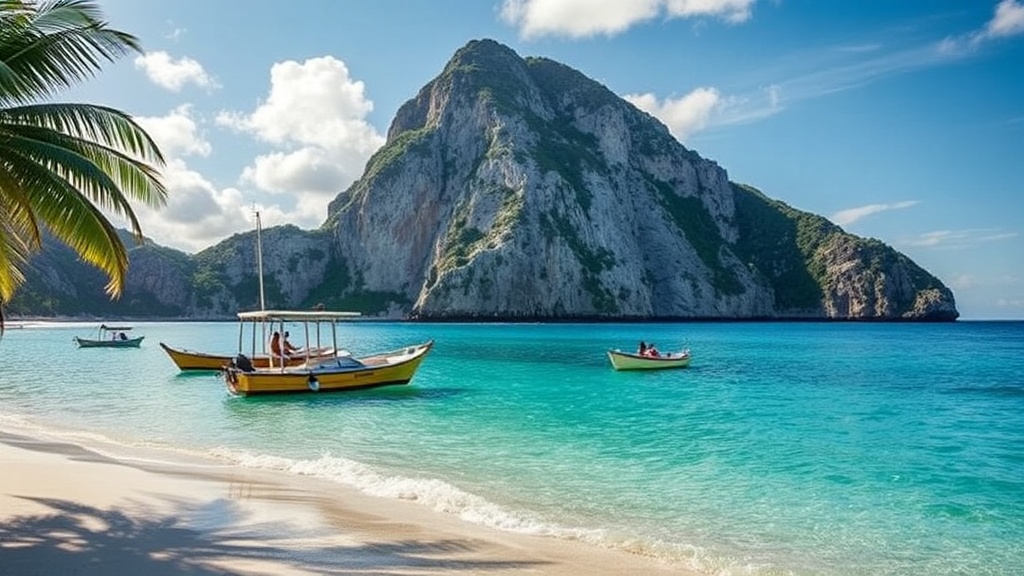
The Ultimate Beach Vacation Planning Guide for Tropical Getaways

Planning a beach vacation to a tropical paradise involves more than booking a flight and packing sunscreen. From choosing the right destination for your budget to timing your trip around weather patterns and securing the best accommodations, there are dozens of decisions that can make or break your coastal escape. This guide covers everything needed to plan an unforgettable tropical getaway — destination selection, budgeting strategies, packing essentials, and insider tips that save both money and headaches.
When Is the Best Time to Book a Tropical Beach Vacation?
The sweet spot for booking tropical beach vacations is typically 2-4 months in advance for international destinations and 1-3 months ahead for domestic coastal trips. Airlines and resorts often release their best deals during these windows — book too early and you might miss flash sales; wait too long and prices spike as inventory shrinks.
Here's the thing about tropical weather: it doesn't follow the same patterns everywhere. The Caribbean experiences hurricane season from June through November (peak activity in August and September), while Southeast Asian destinations like Thailand have their monsoon seasons at different times depending on which coast you choose. The Andaman Sea side (Phuket, Krabi) gets soaked from May to October, while the Gulf of Thailand (Koh Samui, Koh Phangan) stays relatively dry until November.
That said, shoulder season — those weeks right before or after peak tourist periods — often delivers the best value. You'll find room rates 30-50% lower, thinner crowds at popular beaches, and still-decent weather. Worth noting: some businesses close during true low season, so research what's actually open before committing.
Booking Timing by Region
| Destination | Peak Season | Best Value Window | Avoid Unless... |
|---|---|---|---|
| Caribbean Islands | December - April | May, early June, November | August - October (hurricanes) |
| Maldives | December - March | April, September - November | May - August (heavy rain) |
| Hawaii | Mid-Dec - March, June - August | April - May, September - mid-Dec | — |
| Bali, Indonesia | July - August, December | April - June, September | January - March (wet season) |
| Fiji | July - September | October - November, April - May | November - April (cyclone risk) |
How Much Should You Budget for a Tropical Beach Getaway?
A week-long tropical beach vacation typically costs between $1,500 and $5,000 per person depending on destination choice, accommodation level, and activities planned. Budget travelers can stretch dollars in places like Vietnam's Phu Quoc or Nicaragua's Corn Islands, while luxury seekers might drop that amount on a single night at an overwater bungalow in Bora Bora.
The catch? Hidden costs add up fast. Resort fees ($30-50/night), airport transfers ($50-150 each way), activities, and meals outside all-inclusive packages can inflate your final bill by 30% or more. Always factor these into your initial budget.
Consider these real-world scenarios:
- Budget Option: A week in Tulum, Mexico staying at Hostelworld-rated accommodations, eating local tacos, using public transport — roughly $800-1,200 per person including flights from major U.S. hubs.
- Mid-Range Comfort: Seven nights at a 3-4 star beachfront hotel in Phuket, Thailand with pool access, daily breakfast, a few tours, and decent restaurants — expect $2,000-2,800 per person.
- Luxury Escape: Five nights at the Four Seasons Resort Maldives at Landaa Giraavaru with seaplane transfers, overwater villa, and fine dining — starting around $8,000 per person (and climbing quickly).
Money-saving strategies that actually work: book accommodations with kitchenettes to prepare some meals, travel with carry-on only (avoiding checked bag fees and the temptation to overpack), and use credit card points strategically. The Points Guy community regularly shares techniques for scoring business class flights to tropical destinations for the price of economy.
What Should You Pack for a Tropical Beach Vacation?
Packing for tropical climates requires balancing sun protection, versatility, and minimalism — you'll need less than you think. The tropical sun is intense (UV indexes regularly hit 11+), and lightweight, breathable fabrics make the difference between comfort and misery.
Start with the non-negotiables: reef-safe sunscreen (Hawaii and several Caribbean islands now ban sunscreens containing oxybenzone and octinoxate), a wide-brimmed hat, and polarized sunglasses. Water shoes protect feet from coral cuts and sea urchins — a pair of Aleader Mesh Slip-Ons costs under $30 and dries in minutes.
For clothing, think layers. Lightweight linen pants or maxi skirts work for beach days and resort dinners. Quick-dry swimwear means you can rinse and rewear rather than packing seven different suits. One sarong serves multiple purposes: beach cover-up, scarf on chilly flights, picnic blanket, and shoulder covering for temple visits in places like Bali or Thailand.
Tech essentials often get overlooked. A waterproof phone case (the LifeProof FRĒ series works reliably) lets you capture underwater shots without worry. Portable chargers are lifesavers when you're shooting photos all day — the Anker PowerCore 10000 fits in any beach bag. And download offline maps before arriving; cell service can be spotty on remote islands.
The Tropical Packing Checklist
- Reef-safe sunscreen (SPF 30 minimum) — two bottles for a week
- 2-3 swimsuits (quick-dry fabric preferred)
- Lightweight cover-ups or linen pants
- Water shoes and flip-flops
- Polarized sunglasses with retention strap
- Wide-brimmed hat or cap
- Light rain jacket (tropical storms appear fast)
- Basic first aid kit including antihistamines and anti-diarrheal medication
- Reusable water bottle with filter
- Waterproof dry bag for boat trips
How Do You Choose Between All-Inclusive Resorts and Independent Travel?
All-inclusive resorts work best for travelers who want predictable budgeting, minimal decision-making, and resort-focused vacations. Independent travel suits those seeking authentic local experiences, flexibility, and potentially lower costs — though the trade-off is more planning and coordination.
The math isn't always obvious. A $300/night all-inclusive in Cancun includes unlimited food, drinks, and often activities. A $150/night boutique hotel plus $100/day for meals and drinks plus $50 for activities equals the same spend — but with more logistics and less convenience.
Worth considering: what kind of traveler are you? Families with young children often love all-inclusives (kids' clubs, multiple restaurants, no negotiating over ice cream purchases). Adventure travelers usually prefer the freedom to chase waves, explore local villages, and eat where locals eat. Couples on romantic getaways might split the difference — a few nights at a luxury all-inclusive followed by independent exploration.
That said, the all-inclusive model has evolved. Properties like Zoëtry Agua Punta Cana offer boutique experiences with wellness focus, while Sandals properties cater specifically to couples with included excursions and gourmet dining. Read recent reviews — some resorts nickel-and-dime guests for "premium" restaurants or top-shelf spirits.
What Are the Hidden Risks and How Do You Prepare for Them?
Tropical vacations come with specific risks that temperate-climate travelers sometimes underestimate: coral cuts that get infected, dengue fever from daytime mosquitoes, and rip currents that claim lives annually. Preparation isn't paranoia — it's smart travel.
Rip currents kill more beachgoers than sharks, jellyfish, and stingrays combined. Before entering any ocean, check for warning flags and ask locals about current conditions. If caught in a rip current, don't fight it. Swim parallel to shore until free, then angle back to beach. This knowledge saves lives.
Travel insurance isn't optional for tropical destinations — it's protection against trip cancellations (hurricanes happen), medical emergencies (evacuation from remote islands costs tens of thousands), and lost luggage. World Nomads and SafetyWing offer policies specifically designed for adventure and beach travelers. Read the fine print: some policies exclude "extreme" activities like scuba diving or jet skiing unless you purchase add-ons.
Health preparations matter. Visit a travel clinic 4-6 weeks before departure — some destinations require yellow fever vaccination certificates. Pack a proper first aid kit with antibiotic ointment (coral cuts infected with Vibrio bacteria can become serious quickly), hydrocortisone cream for jellyfish stings, and oral rehydration salts. The local pharmacy might be hours away.
"The best beach vacation is one where you return home with memories, not medical bills. A little preparation prevents a lot of problems." — Travel Safety Experts
Respect the environment you're visiting. Don't touch coral (it damages ecosystems and cuts your skin), keep distance from marine life, and never feed fish — it disrupts their natural behavior and can make them aggressive. Sustainable tourism isn't a buzzword in fragile tropical ecosystems; it's a necessity.
Here's the thing about the perfect beach vacation: it doesn't exist. Weather surprises. Restaurants disappoint. Ferries run late. The travelers who have the best experiences aren't the ones with flawless itineraries — they're the ones who build flexibility into their plans, pack the right gear, and embrace the beautiful chaos of tropical life. Book that trip. The water's waiting.