
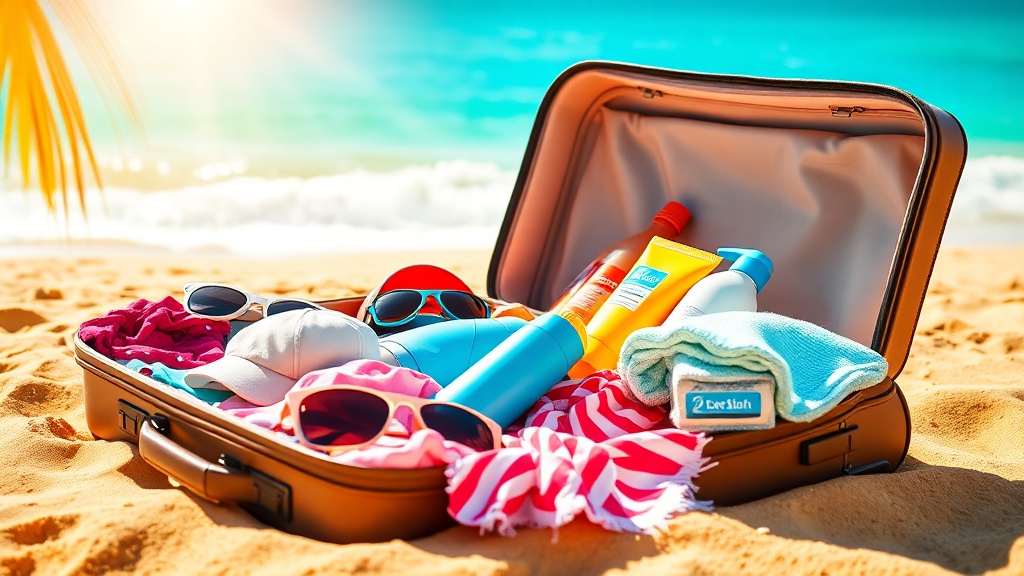
Sustainable Beach Travel: 7 Eco-Friendly Tips for 2026

Want to soak up sun without leaving a carbon footprint? It’s easier than you think—just pack smarter, choose greener options, and support local sustainability. Here’s a quick guide to traveling responsibly on the beach this year.
Why does sustainable beach travel matter?
Coastal ecosystems are under pressure from plastic pollution, overtourism, and climate change. UNEP’s 2023 outlook warns that by 2050, up to 30% of marine life could be lost without action. As beach lovers, we can make a difference with a few simple habits.
What are the top eco‑friendly habits for beach trips?
1. Pack a reusable water bottle and filter
Single‑use plastic bottles are the #1 litter item on many beaches. A lightweight, BPA‑free bottle plus a portable filter lets you refill from tap water or safe sources. Sustainability.org estimates a reusable bottle can save up to 1,460 plastic bottles per year.
2. Choose reef‑safe sunscreen
Traditional sunscreens contain oxybenzone and octinoxate, which damage coral reefs. Look for “reef‑safe” labels or mineral‑based formulas with zinc oxide or titanium dioxide. The World Wildlife Fund recommends brands like Badger and Stream2Sea.
3. Use a beach towel made from recycled fibers
Instead of cheap cotton that ends up in landfills, opt for towels made from recycled polyester or bamboo. They dry faster and have a smaller water footprint. Check out Eco Warrior Princess for vetted options.
4. Rent gear locally instead of flying bulky equipment
Snorkel sets, paddleboards, and surfboards are heavy to transport. Many coastal towns now offer rental shops that maintain equipment sustainably. This cuts carbon emissions from extra luggage weight and supports the local economy. See our guide on budget hostels that often partner with eco‑rental services.
5. Stay in certified eco‑lodges or green hostels
Look for certifications like Green Key, EarthCheck, or LEED. These properties implement energy‑saving measures, waste reduction, and community outreach. Our recent post on emerging beach destinations highlights several eco‑friendly spots.
6. Pack a reusable beach bag and avoid single‑use plastics
A sturdy mesh bag replaces disposable zip‑lock bags for snacks and trash. Bring your own cutlery, straws, and biodegradable wipes. The Sustainable Travel International reports that travelers who bring reusable gear reduce beach litter by up to 70%.
7. Respect local wildlife and follow “Leave No Trace” principles
Stay on marked paths, avoid feeding wildlife, and pack out everything you bring in. Many beaches have posted guidelines; obey them to protect nesting turtles, seabirds, and marine life.
How can I make these habits part of my routine?
Start by creating a simple checklist before you pack. Keep a reusable gear kit in your closet so you never forget the essentials. When booking, filter accommodations for sustainability tags and ask hosts about their green practices.
Takeaway
Traveling responsibly doesn’t require a complete overhaul—just a few mindful swaps. Pack reusable gear, choose reef‑safe sunscreen, stay in eco‑certified lodging, and respect local ecosystems. By doing so, you’ll enjoy pristine beaches while keeping them beautiful for the next wave of travelers.
Steps
- 1
Reusable water bottle & filter
Carry a BPA‑free bottle and portable filter to refill, cutting thousands of single‑use plastics each year.
- 2
Reef‑safe sunscreen
Choose mineral‑based sunscreen (zinc oxide or titanium dioxide) to protect coral reefs from harmful chemicals.
- 3
Recycled‑fiber beach towel
Use towels made from recycled polyester or bamboo for faster drying and a smaller water footprint.
- 4
Rent gear locally
Borrow snorkel sets, paddleboards, or surfboards from local shops to avoid heavy luggage and support sustainable businesses.
- 5
Eco‑certified lodging
Stay at properties with Green Key, EarthCheck or LEED certifications that practice energy saving and waste reduction.
- 6
Reusable beach bag & zero‑plastic
Swap zip‑lock bags for mesh bags, bring cutlery, straws, and biodegradable wipes to cut beach litter.
- 7
Leave No Trace
Stick to marked paths, don’t feed wildlife, and pack out all trash to protect local ecosystems.