
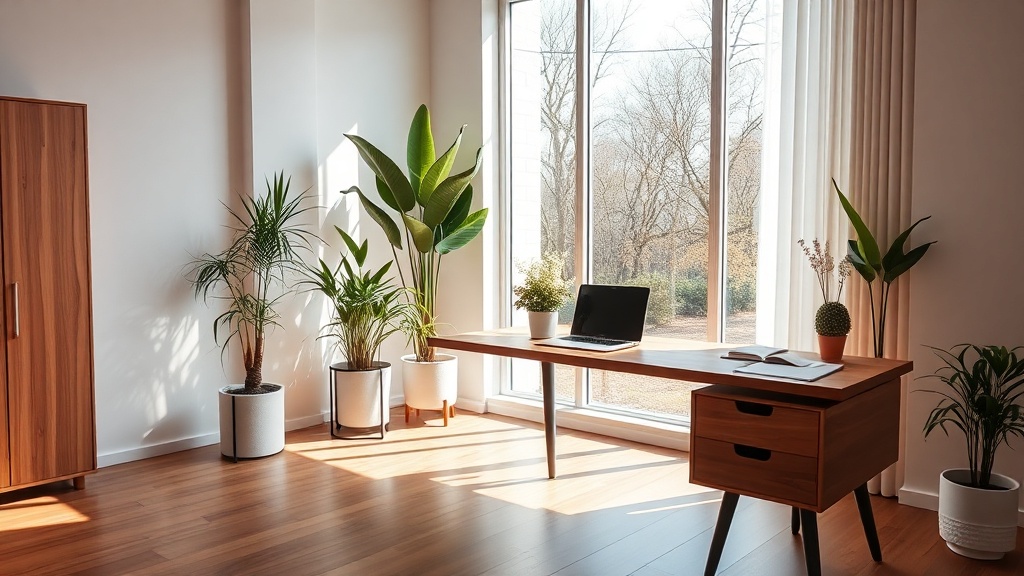
Spring Refresh: Sustainable Office Flooring

Ready to give your home office a fresh, green makeover this spring?
Imagine stepping into a sun‑lit workspace where the floor feels warm underfoot, the room sounds softer, and every footstep reminds you you’re doing something good for the planet. That’s the power of a spring refresh with sustainable flooring.
Why focus on flooring now?
Daylight‑saving time has us staying up a bit later, and many remote workers are re‑evaluating their work‑from‑home set‑up. A new floor is the quickest way to upgrade aesthetics, boost acoustics, and add eco‑cred without a full renovation. Plus, celebrity home upgrades—like Paige Thalia’s Oscar‑carpet‑turned‑bamboo floor—show that stylish, sustainable choices are no longer niche.
What are the top eco‑friendly flooring options for a home office?
Can bamboo flooring give me a sleek, durable surface?
Bamboo grows to maturity in 3‑5 years, making it one of the fastest‑renewing hardwoods. It’s harder than many traditional woods, resists scratches, and has a clean, modern look that pairs well with a minimalist desk. SFI’s bamboo guide notes that FSC‑certified bamboo can be sourced responsibly for under $30 per square foot.
Is cork flooring a good acoustic solution?
Cork’s cellular structure absorbs sound, which means fewer echoey distractions during video calls. It’s also hypoallergenic and can be reclaimed from old wine barrels or flooring, giving it a low‑impact lifecycle. The Cork Association reports a 30‑40% reduction in reverberation compared to laminate.
How does reclaimed wood add character and sustainability?
Reclaimed wood rescues timber that would otherwise end up in landfills, often featuring weathered patinas you can’t buy new. It’s perfect for a warm, beach‑vibe office—think drift‑wood tones that echo a coastal getaway. Architectural Digest highlights several budget‑friendly sources, from local salvage yards to online marketplaces, where a 12‑sq‑ft plank can cost as little as $10.
How much will a sustainable floor cost?
Here’s a quick cost comparison (materials only, not installation):
- Bamboo: $25‑$40 / sq ft
- Cork: $30‑$45 / sq ft
- Reclaimed wood: $15‑$35 / sq ft (varies by source)
Installation typically adds $5‑$10 / sq ft, but DIY‑friendly click‑lock systems keep labor costs low. If you’re on a tight budget, reclaimed wood from a local salvage yard often offers the best value.
What’s the step‑by‑step process for installing a DIY sustainable floor?
Do I need to prep my subfloor?
Yes. Clean, level, and ensure the subfloor is dry. A moisture barrier (polyethylene sheet) is essential for bamboo and cork to prevent warping.
How do I lay a click‑lock bamboo or cork plank?
Start at the longest wall, stagger joints by at least 6 inches, and use a tapping block to snugly fit each plank. Follow the manufacturer’s spacing guidelines—usually ¼ in. expansion gap around the perimeter.
Can I install reclaimed wood without professional help?
Reclaimed boards often come pre‑finished and tongue‑and‑groove, making DIY possible. Nail or screw them down, then sand lightly to blend seams. Finish with a low‑VOC sealant for durability.
How can I make the new floor feel even more beach‑y?
Pair sustainable flooring with natural textures: a jute rug, woven wicker chair, or a drift‑wood coffee table. Add a few potted succulents and a splash of spring flowers on your desk for that breezy, coastal vibe.
What are the biggest mistakes to avoid?
- Skipping the moisture barrier – especially on concrete slabs.
- Ignoring expansion gaps – floors can buckle in humid spring weather.
- Choosing non‑certified products – look for FSC, SFI, or similar eco‑certifications.
Where can I find more inspiration?
Check out these related reads on the blog:
- Eco‑Friendly Home Office Spring Cleaning
- Paige Thalia’s Oscar Carpet Upgrade
- Spring Cleaning Tips for an Eco‑Friendly Home Office
Takeaway
Upgrading your home office floor this spring doesn’t have to be pricey or wasteful. Choose bamboo for sleek durability, cork for sound‑friendly comfort, or reclaimed wood for warm character—each option supports sustainability and boosts your workspace vibe. Grab a DIY kit, lay it down, and enjoy a greener, quieter, more inspiring office as daylight stretches longer each day.