
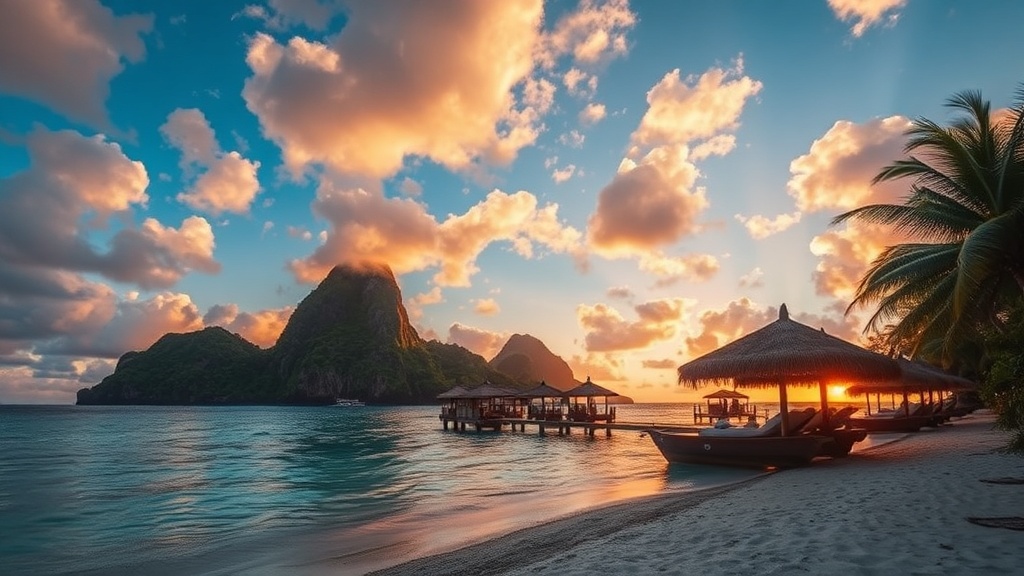
Selecting the Best Tropical Island for Your Next Getaway

Why choosing the right tropical destination matters
Did you know that the average person spends nearly one-third of their life dreaming about a tropical escape? While the idea of a white sand beach is universal, the reality of a tropical getaway can vary wildly depending on the specific island you select. One island might offer high-end luxury and private villas, while another—just a few hundred miles away—might be a rugged paradise for surfers and backpackers. Picking the wrong spot can lead to a mismatch between your expectations and the actual experience on the ground.
Selecting a destination isn't just about looking at pretty pictures on social media. It involves understanding the local weather patterns, the level of accessibility, and the specific vibe of the island. Whether you're looking for a quiet sanctuary to read a book or an active playground for water sports, the right choice makes all the difference. This guide breaks down how to weigh your options so you land exactly where you want to be.
How do I choose between a luxury resort and a local guesthouse?
This is one of the most common questions travelers ask when planning a trip to the Caribbean or the South Pacific. The answer depends entirely on your travel goals and budget. A luxury resort offers a controlled environment where your every need is met—think poolside service, high-end dining, and predictable-quality amenities. These are perfect if you want to disconnect from the world and avoid any logistical stress.
On the other hand, staying in a local guesthouse or a boutique beachfront bungalow provides a much more authentic connection to the culture. You'll likely interact more with residents, eat at local roadside stands, and experience the true rhythm of the island. While you lose the predictability of a five-star hotel, you gain a sense of place that a resort simply cannot provide. If you're looking for a deep dive into local life, go the guesthouse route. If you want total relaxation without the need to make decisions, stick to the resorts.
Comparing different tropical styles
To help you decide, consider this breakdown of common tropical travel styles:
- The High-End Escapist: Focuses on privacy, luxury amenities, and seclusion. (Best for: Honeymoons, anniversate trips).
- The Cultural Explorer: Seeks local markets, traditional festivals, and local cuisine. (Best for: Solo travelers, culturally curious groups).
- The Adrenaline Junkie: Prioritizes surfing breaks, diving spots, and hiking-friendly terrain. (Best for: Active adventurers).
- The Family Relaxer: Needs kid-friendly pools, shallow waters, and organized activities. (Best: Families with young children).
Check out the Lonely Planet website for deep dives into specific regional cultures to see which vibe resonates with you most.
What is the best time of year to visit tropical islands?
Timing is everything when it comes to the tropics. A mistake in your calendar can mean spending your vacation dodging tropical storms or dealing with stifling humidity. Most tropical regions follow a pattern of wet and dry seasons. If you want sun-drenched days and clear water for snorkeling, you'll want to target the dry season. However, keep in mind that this is also when prices tend to peak.
For example, in much of the Caribbean, the peak season runs from December through April. This is when the weather is most reliable, but you'll be sharing the beach with more people. If you're looking for better deals, the shoulder seasons—the periods just before or after the peak seasons—can be a great way to save money. Just be sure to monitor weather reports and understand the risk of tropical depressions or hurricanes in your specific area. The National Hurricane Center provides excellent real-time data if you're planning a trip during the wetter months.
How can I find the best beaches for my interests?
Not all beaches are created equal. Some are wide and sandy, perfect for long walks and beach volleyball, while others are rocky or have significant tidal changes. If you're a swimmer, you'll want to look for beaches with calm, protected bays. If you're an adventurer, you might look for areas known for heavy surf or strong currents that support surfing.
Before you book, do a little bit of homework on the following factors:
- Water Clarity: Essential for snorkeling and seeing marine life.
- Tidal Movement: Some beaches disappear during high tide or become too rocky during low tide.
- Accessibility: Is the beach reachable by a short walk, or do you need a boat and a long hike?
- Amenities: Are there beach bars and restrooms, or are you totally isolated?
A great tip is to use satellite imagery tools to see the actual shape of the coastline. This can give you a better idea of the sand-to-water ratio and whether the beach is sheltered from the wind. A sheltered beach will almost always have calmer water, which is a major plus if you're traveling with children or aren't an experienced swimmer.
Once you have a general idea of the type of environment you want, start narrowing down your search to specific islands. A single country might have dozens of different islands, each offering a completely different experience. The Bahamas, for instance, offers everything from bustling Nassau to the quiet, remote out islands. The same goes for the Philippines or the Greek Islands. Don't assume that a country's primary destination is the only one worth visiting.
Always check recent traveler reviews from the last six months. The state of a beach or a resort can change quickly due to seasonal weather or local developments. A review from three years ago won't help you understand if the current water clarity is still high or if the local infrastructure has changed. Look for recent accounts of the specific area you are interested in to ensure your expectations align with the current reality of the destination.