
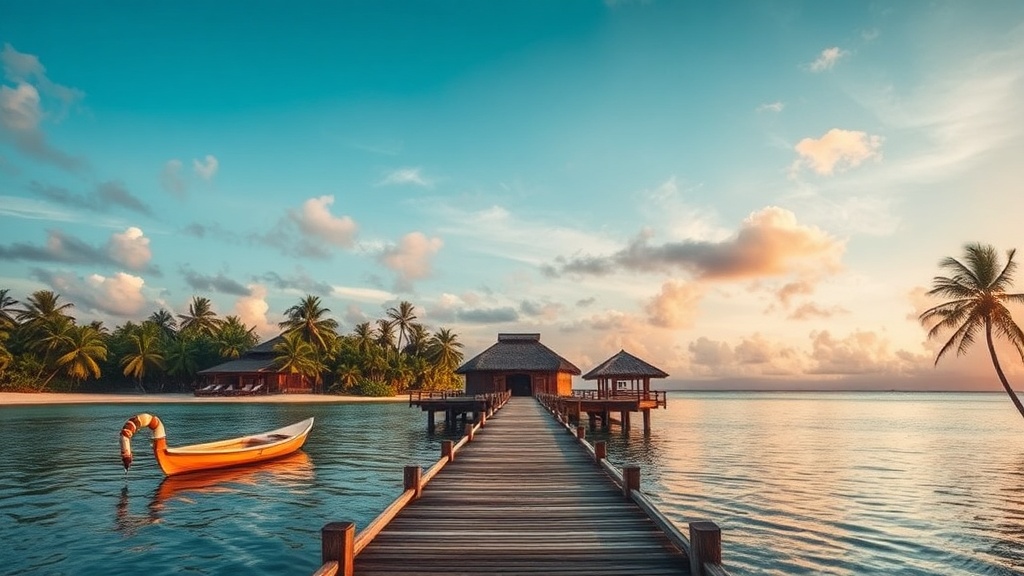
Is a Tropical Island Retreat Worth the Long Flight?

Why Many Travelers Avoid Remote Islands
Many people believe that the best beach vacations require long-haul flights and grueling transit times. They assume that the distance makes the experience too much of a headache, often opting for closer, more accessible coastal spots instead. But there's a common misunderstanding here: proximity doesn't always equal quality. While a short drive to a nearby coast is convenient, it doesn't always offer the same sense of isolation and untouched beauty found in more remote tropical regions. This post looks at why traveling further can often yield much richer rewards for your soul and your sense of adventure.
When you choose a destination that requires a bit more effort to reach, you aren't just buying a plane ticket; you're investing in a different pace of life. These far-flung islands often remain untouched by mass tourism, preserving the very things people seek out in the first place—clear water, white sand, and a quiet atmosphere. It’s a trade-off between ease and experience. If you want a predictable, easy-to-reach beach, stay close to home. If you want a place that feels like a different world, you might need to look a bit further afield.
What Makes an Island Destination Truly Unique?
A truly unique island destination offers more than just a pretty view. It offers a culture that has been shaped by the sea and a rhythm of life that follows the tides rather than a clock. When you visit a remote archipelago, the local customs, the way food is prepared, and even the local dialects tell a story of isolation and resilience. This depth of character is often missing in more commercialized coastal hubs.
Consider these factors when deciding where to set your sights:
- Natural Biodiversity: Remote islands often host species of fish and coral that you won't find in more populated coastal areas.
- Local Traditions: From traditional fishing methods to seasonal festivals, the culture is often deeply rooted in the environment.
- The Lack of Crowds: One of the biggest draws is the ability to find a private stretch of sand without having to compete with hundreds of other sunbathers.
To understand more about how marine ecosystems thrive in these isolated areas, you can research the How to Pack for a Long-Distance Tropical Trip? Packing for a long-distance tropical trip requires a different mindset than a weekend beach trip. You aren't just packing for the sun; you're packing for the transit and the potential for unexpected changes in weather. Since you might be hopping between small planes, boats, or even local ferries, your gear needs to be both lightweight and incredibly durable.
Don't forget these specific items for a seamless experience:
- Waterproof Gear: Even if you're staying in a luxury resort, a sudden tropical downpour can happen at any time. A lightweight, packable rain shell is a smart addition.
- Versatile Footwear: You'll likely move from sandy beaches to jungle trails or even local restaurants. A pair of high-quality sandals and one pair of walking shoes is often enough.
- Sun Protection: The sun is much stronger near the equator. Look for reef-safe sunscreens to ensure you aren't harming the very environment you came to see.
- Compact Tech: A portable power bank and a waterproof phone pouch will keep you connected (or at least safe) without taking up too much room.
Remember, the goal is to stay mobile. The more you can carry in a single, manageable bag, the easier your transit through various modes of transport will be. You don't want to be the person struggling with three heavy suitcases on a small, local boat.
The allure of a distant island isn't just about the destination itself, but the feeling of being truly "away." It's about the moment the plane descends over a ring of turquoise reefs and you realize just how far you've traveled. It's a sense of arrival that a two-hour drive can never quite replicate. Whether it's the sound of the wind through palm fronds or the taste of a fruit you've never seen before, these experiences are worth the extra effort.