
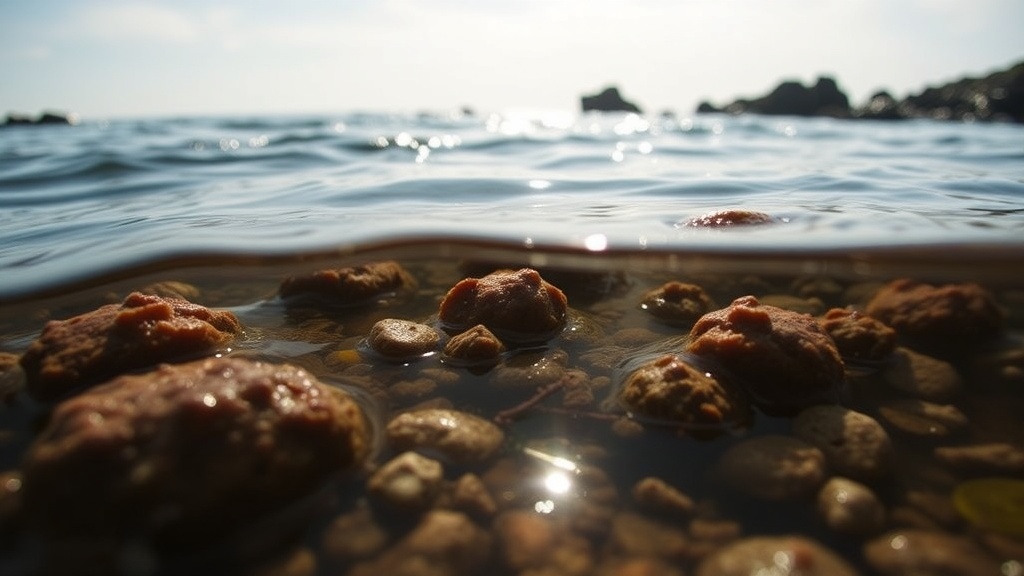
How to Explore Tide Pools Without Harming Fragile Marine Life

Picture this—you're walking along a rocky shoreline at low tide, and suddenly you spot them: miniature ecosystems teeming with bright orange starfish, skittering crabs, and anemones that close like tiny flowers when touched. Tide pools are nature's aquariums, free and accessible to anyone willing to time the tides. But here's what most beachgoers don't realize—these seemingly sturdy creatures live in one of Earth's most unforgiving environments. One careless step can crush decades-old sea stars. A curious poke can injure delicate anemones. The good news? With the right approach, you can witness these underwater worlds up close while leaving them completely untouched for the next visitor.
When Should You Plan Your Tide Pool Adventure?
Timing isn't just important for tide pooling—it's everything. These rocky windows into marine life only reveal themselves during specific tidal conditions, and showing up at the wrong moment means staring at nothing but waves.
The magic happens during negative low tides—when the water recedes lower than average, exposing pools that normally stay hidden. These occur roughly twice daily, but the extreme lows you want happen during new and full moons. Check local tide charts (NOAA provides excellent free resources for U.S. coastlines) and aim for tides below 0.0 feet. Arrive at least an hour before the predicted low tide—that gives you maximum exploration time before the water returns.
Season matters too. Winter tides often expose more territory, but summer offers warmer, safer conditions for families. Spring and fall strike a nice balance—fewer crowds, mild weather, and respectable low tides. Just avoid stormy days; crashing waves can sweep unsuspecting explorers off rocks in seconds.
Pro tip: many coastal visitor centers and marine aquariums publish tide pool schedules. The Monterey Bay Aquarium regularly updates optimal viewing times for California's central coast, while Olympic National Park's tide pooling guide helps visitors plan Pacific Northwest adventures.
What Gear Do You Need for Safe Tide Pool Exploration?
You don't need expensive equipment—but the right basics make a huge difference. Start with footwear that grips wet rock. Old sneakers work in a pinch, but neoprene booties or water shoes with thick soles protect against sharp barnacles and slippery algae. Flip-flops? Leave them at your towel. They're invitations for twisted ankles and crushed toes.
Bring a bucket or small container—not for collecting specimens (more on that later)—but for temporarily observing creatures in shallow water. A clear plastic container lets you view animals from below without removing them from their homes. Add a magnifying glass for inspecting tiny details: the tube feet of sea stars, the compound eyes of hermit crabs, the stinging cells of anemones.
Sun protection ranks high on the list. Tide pools reflect UV rays from both sky and water, creating intense exposure. Wide-brimmed hats, reef-safe sunscreen, and UV-protective clothing shield you during those long crouching sessions. Pack drinking water too—rocky shorelines offer zero shade, and dehydration sneaks up fast.
Consider a field guide. Smartphone apps work, but paper guides don't fear salt water or drained batteries. Look for region-specific identification books covering your coastline's common species. Knowing what you're looking at transforms the experience from "cool orange star thing" to "ochre sea star—a keystone species that keeps mussel populations in check."
How Do You Walk Through Tide Pools Without Causing Damage?
Here's where most well-meaning visitors go wrong—they treat tide pools like sidewalks. They're not. Every step requires intention and awareness.
Walk on bare rock or sand whenever possible. Those dark patches covering rocks? They're alive—algae, barnacles, and tiny invertebrates forming a living crust. A single footprint can destroy years of growth. Watch for wet spots—they indicate recent water coverage and likely conceal fragile life beneath. Dry-looking rocks generally tolerate footsteps better, but still step carefully.
Move slowly and deliberately. Quick movements startle animals (and increase your slip-and-fall risk). When you must step on questionable surfaces, place feet flat to distribute weight rather than tiptoeing, which concentrates pressure. And never, ever use tide pool animals as stepping stones. That sea star might look rock-solid, but it's a soft-bodied creature that will die if crushed.
Follow the "one foot in the water" rule—keep one foot planted on stable ground while the other explores. This prevents fully submerging your weight in pools where hidden creatures dwell beneath sand and gravel.
Which Rules Keep Both You and Marine Life Safe?
Most tide pool injuries aren't from animals—they're from sharp rocks, rogue waves, and slippery algae. But respecting wildlife boundaries protects everyone.
Look, don't touch—the golden rule of ethical tide pooling. Oils from human skin damage anemones' sensitive membranes. Picking up crabs stresses them severely. Even "harmless" touching disrupts feeding, breathing, and temperature regulation. If you must handle something for closer inspection, wet your hands first (to minimize oil transfer), be gentle, and return the animal exactly where you found it within seconds.
Never pry animals off rocks. Sea stars, mussels, and anemones attach with powerful suction or byssal threads. Forcing them free causes internal injuries and almost always kills them. That beautiful shell you want to take home? It probably houses a living hermit crab. The colorful sea urchin? Removing it destroys its chance of reproduction. Take photos instead—they last longer and don't harm ecosystems.
Watch for warning signs at popular tide pool locations. Many protected areas (like California's tide pool preserves or Oregon's marine gardens) enforce strict no-collection policies with hefty fines. Even where collection is legal, the ethical choice is observation-only. These animals already face enough challenges from warming oceans and pollution without adding human interference.
Stay alert for waves. Sneaker waves—unexpectedly large swells—can surge over rocks without warning. Never turn your back on the ocean. Keep children within arm's reach. And know your exit route before venturing onto exposed reef.
What Will You Actually See in a Tide Pool?
The cast of characters varies by region, but some creatures appear nearly everywhere:
- Sea stars—five-armed icons that regenerate lost limbs. Look for ochre stars (purple or orange) on Pacific coasts, or northern sea stars in Atlantic waters.
- Anemones—squishy flower-animals that capture small fish with stinging tentacles. The green sea anemone is common on North American shores.
- Hermit crabs—resourceful crustaceans wearing borrowed snail shells. They'll scuttle away quickly if approached.
- Sea urchins—spiny echinoderms that graze algae from rocks. Some regions feature purple urchins; others host dangerous long-spined species—watch your step.
- Chitons—armored mollusks resembling prehistoric woodlice. Their eight overlapping shell plates allow flexibility while protecting against predators.
- Nudibranchs—sea slugs so colorful they look tropical. These carnivorous mollusks come in neon patterns that seem almost artificially bright.
Beyond animals, notice the physical structures. Tide pools form through erosion—waves, salt, and freezing temperatures slowly break rock into these natural basins. The zonation you see (barnacles higher, sea stars lower) reflects each species' tolerance for air exposure. Higher pools dry out completely between tides; lower pools stay submerged longer, supporting more delicate species.
How Can You Make Tide Pooling Educational for Kids?
Children naturally gravitate toward tide pools—the combination of water, wildlife, and adventure is irresistible. Channel that enthusiasm into conservation-minded exploration.
Before visiting, read books or watch videos about tide pool ecosystems. Understanding that these animals breathe underwater helps kids grasp why removing creatures causes harm. Establish clear ground rules: walking feet (no running on slippery rocks), gentle hands (look but don't touch), and staying together as a group.
Turn observation into a game. How many different colored sea stars can they spot? Who can find the smallest crab? Can they identify three different types of seaweed? Scavenger hunts keep kids engaged while encouraging careful searching rather than grabbing.
Bring sketchbooks or waterproof cameras for older children. Drawing what they see—or photographing it—builds observation skills and creates souvenirs without removing wildlife. Discuss what they observed over ice cream afterward: What surprised them? What questions do they have? This reflection deepens the learning experience.
Most importantly, model good behavior. Children watch adults closely. If you handle animals gently, walk carefully, and express wonder rather than entitlement, they'll absorb those values. Today's tide pool visitors become tomorrow's ocean advocates.
"The tide pools are windows into the universe, a microcosm of life that reveals the interconnectedness of all living things." — Sylvia Earle
Tide pools offer something increasingly rare: genuine wilderness accessible without boats, permits, or expensive gear. These temporary worlds remind us that life persists in extreme conditions—that beauty thrives in harsh, salty, wave-battered places. The next time you're at the coast during low tide, grab those water shoes and head for the rocks. Just remember: you're a guest in someone's home. Tread lightly, observe quietly, and leave everything exactly as you found it. The crabs, anemones, and sea stars will continue their ancient routines, and future visitors will enjoy the same wonders you discovered.