
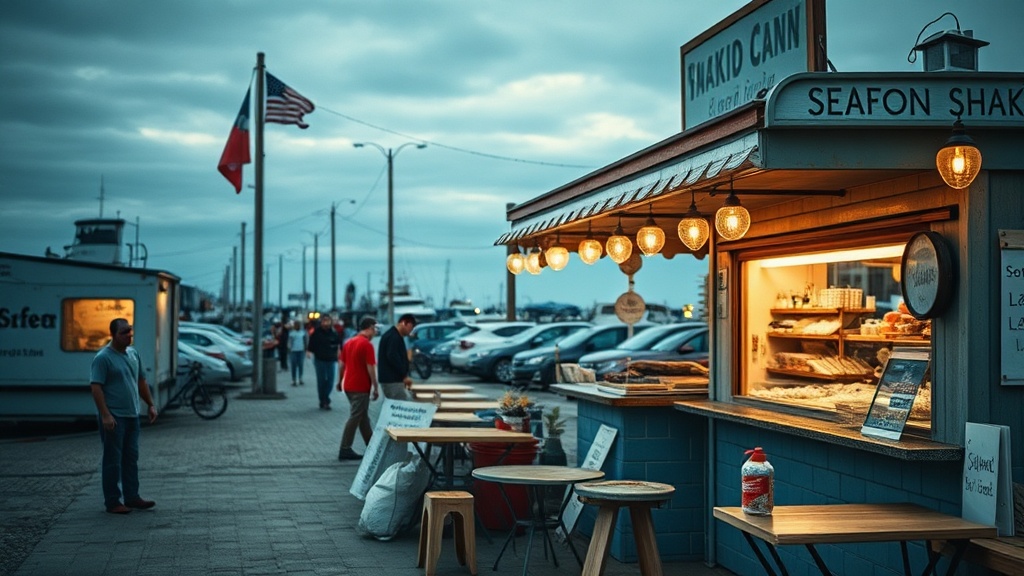
Find the Best Local Seafood Shacks Near the Shore

Ever wondered why the best meal of your tropical vacation isn't found in a five-star hotel restaurant? This guide helps you identify, locate, and enjoy authentic seafood shacks by teaching you how to spot high-quality local eateries that prioritize freshness over fancy decor. We'll look at the visual cues of a great shack, how to check for food safety, and how to avoid the tourist traps that serve frozen seafood.
How Do You Spot a High-Quality Seafood Shack?
The best seafood shacks are usually identified by high foot traffic from locals and a menu that changes based on the daily catch. You'll want to look for places where the menu is short—sometimes just a chalkboard—because a limited menu means the kitchen isn't trying to do too much with mediocre ingredients.
Look at the feet of the patrons. If you see locals sitting on plastic stools or wooden benches, you've likely found a winner. These spots aren't interested in fine linen or silver service; they're interested in serving the freshest snapper or shrimp available that morning. (A quick tip: if the restaurant is located just a few blocks away from the actual docks, you're even more likely to get the good stuff.)
Check the way the seafood is displayed. A reputable shack will often have a visible ice-bed or a small display area where you can actually see the fish before it's cooked. This transparency is a huge indicator of quality. If the fish looks dull or lacks that bright, glassy eye, move on to the next stall.
Pay attention to the smell. A great seafood shack should smell like the ocean—salty and fresh—not like old oil or heavy spices used to mask a scent. If the air around the entrance is heavy and pungent, it's a red flag that the seafood might not be fresh.
Where is the Best Seafood Found?
The most authentic seafood is found in coastal villages and near active fishing harbors rather than in major resort districts. While resorts offer comfort, the small, family-run shacks near the actual docks often have the shortest distance between the boat and your plate.
Consider these three common types of coastal dining locations:
- The Dockside Stand: These are often temporary or very basic structures located right next to where fishing boats unload. They offer the highest freshness but may lack seating.
- The Beachside Shack: These are slightly more permanent, often found along boardwalks or near popular beaches. They are great for a casual lunch but can sometimes be more "tourist-friendly" and thus slightly more expensive.
- The Local Village Eatery: Located a short walk or drive away from the beach, these spots are where the locals eat after work. This is where you find the most traditional recipes and the best value.
It's worth noting that finding these spots requires a bit of wandering. You won't find them on a glossy brochure. You'll find them by following the smell of grilled fish or by asking a local shopkeeper where they grab lunch. Don't be afraid to get a little sandy while searching—it's part of the adventure! If you're worried about your gear, remember to protect your electronics from sand and salt air while you're exploring the docks.
For more information on global fishing standards and seafood safety, you can check the official FDA seafood safety guidelines.
How Much Does a Seafood Meal Cost at a Shack?
Seafood prices at local shacks vary wildly depending on the region, but you can generally expect to pay significantly less than at a seated restaurant. In many tropical destinations, a fresh fish platter or a large portion of grilled shrimp will cost between $10 and $25 USD.
| Meal Type | Estimated Cost (USD) | What to Expect |
|---|---|---|
| Daily Catch (Grilled) | $12 - $18 | Whole fish, lime, salt, and simple sides. |
| Shrimp/Prawn Platter | $10 - $15 | Garlic butter or spicy local rub. |
| Fried Seafood Basket | $8 - $12 | Mixed fish, calamari, or shrimp with a side of slaw. |
| Local Specialty (e.g., Ceviche) | $7 - $14 | Raw marinated fish with citrus and herbs. |
The catch? Prices can spike during peak seasons or if a specific species is in high demand. Always ask for the price of a whole fish before ordering, as weight-based pricing can sometimes lead to a surprise at the end of the meal.
Common Red Flags to Watch For
Even when you're looking for a casual experience, you shouldn't ignore certain warning signs. A "shack" doesn't mean "unhygienic." There is a big difference between a rustic atmosphere and a dirty kitchen.
One major red flag is the presence of flies. While a few flies are common in tropical outdoor settings, a swarm around the food prep area is a sign of poor management. If the vendor isn't using mesh covers or fans to keep insects away from the raw product, walk away.
Another thing to watch for is the "frozen look." If the fish looks mushy or has a strange, yellowish tint, it's likely been sitting in a freezer for a long time. Freshly caught tropical fish should have firm flesh and a bright color. If you see a lot of ice buildup in the display, it might be an attempt to hide the texture of older seafood.
Don't forget about the bread and sides. If the bread or the vegetables served with your fish look dry or wilted, it's a sign that the entire kitchen might be recycling older ingredients. A high-quality shack will have a high turnover, meaning everything—from the lime wedges to the rice—is fresh.
The ocean is a beautiful place, but it can be unpredictable. If you're planning to eat a lot of fresh seafood, you might want to pack a microfiber towel to quickly clean up any spills or salt spray after your meal.
If you are concerned about the legality of the seafood you are consuming, you can research the WWF's seafood guides to ensure your meal is sustainably sourced and doesn't harm local ecosystems.
Pro Tips for the Best Experience
To get the absolute most out of your seafood hunt, try to time your visits correctly. Most of the best seafood is caught in the early morning hours and served during the lunch rush. If you show up for dinner at 8:00 PM, the "catch of the day" might actually be the leftovers from the afternoon.
Also, bring plenty of small denominations of local currency. These shacks rarely take credit cards, and even if they do, the transaction fees can be steep. Having cash on hand makes the process much smoother and more respectful of the local business owner.
Finally, don't be afraid to ask questions. Ask the cook, "What was caught this morning?" or "What is the most popular dish today?" A proud cook will usually be happy to tell you about their freshest ingredients. This interaction isn't just about the food; it's about connecting with the local culture.
The best meals aren't always the most expensive ones. Sometimes, the most memorable part of a beach vacation is a $12 plate of grilled shrimp eaten on a wooden stool while the sun sets over the water. Keep your eyes open, trust your senses, and enjoy the hunt.