
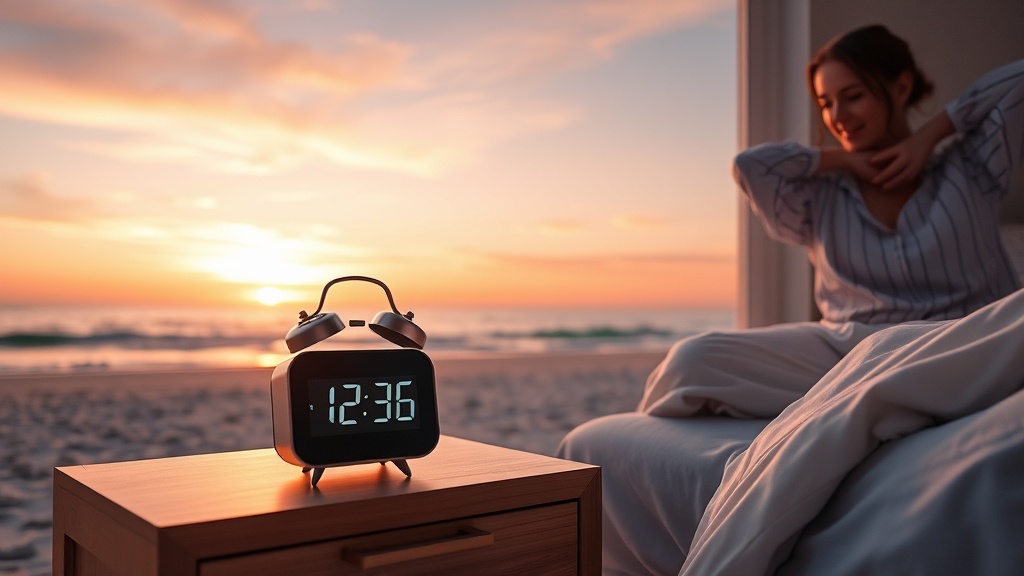
Daylight Saving Time Reset: Science‑Backed Sleep Tips for March

Why does daylight saving time mess with my sleep?
When the clocks jump forward on the second Sunday in March, many of us feel groggy, irritable, and less productive. The culprit? A sudden one‑hour shift in our external light cues that throws off the internal clock—our circadian rhythm. Our bodies rely on light, meals, and activity patterns to keep the 24‑hour cycle synced. Pulling the rug out from under that rhythm means hormones like melatonin get released at the wrong time, making it harder to fall asleep and wake up refreshed.
How can I gently shift my circadian rhythm before the switch?
Instead of waiting for the clock change, start adjusting 15 minutes earlier each night for a week leading up to DST. This gradual move eases the transition and reduces the shock to your system. Here’s a simple step‑by‑step plan:
- Set your bedtime 15 minutes earlier. Keep the same wind‑down routine (reading, light stretching) so your brain associates the new time with relaxation.
- Wake up 15 minutes earlier. Open your curtains as soon as you get up—natural light is the fastest cue for resetting the clock.
- Repeat. Continue this shift for five nights, then add another 15‑minute increment for the final two days before the change.
By the time the clocks jump, your body will already be operating on the new schedule.
What light‑exposure tricks work best?
Light is the master regulator of circadian rhythm. Use it strategically:
- Morning sunshine. Spend at least 20 minutes outdoors within the first hour of waking. If the weather’s gray, turn on a bright‑light lamp set to 10,000 lux.
- Evening dimming. Dim indoor lights after sunset and avoid screens for at least an hour. If you must use a device, enable night‑mode or use a blue‑light filter app.
- Smart lighting. Programs like Philips Hue or LIFX let you schedule a gradual dim‑down at night and a bright “sunrise” simulation in the morning. Set the hue to a warm 2700K in the evening and a crisp 6500K in the morning.
Which tech tools can help me stay on track?
There are a handful of apps and gadgets that make the science easy to follow:
- Sleep‑tracking apps. Sleep Cycle or Fitbit can alert you when you’re in light sleep, making it easier to wake up with less grogginess.
- Light‑therapy devices. Products like Circadian Light or the Reaqua Sunrise Lamp mimic natural dawn and dusk.
- Automation platforms. Use IFTTT or Apple Shortcuts to trigger smart lights, play calming playlists, or shut down Wi‑Fi routers at bedtime.
What daily habits should I tweak for a smoother shift?
Beyond light, a few lifestyle tweaks can make a big difference:
- Consistent meals. Eat breakfast within an hour of waking and keep dinner at least three hours before bed. Regular meal timing reinforces the body’s internal clock.
- Stay active. Light exercise—like a 20‑minute walk—early in the day helps boost alertness. Save intense workouts for late afternoon, not right before bedtime.
- Hydration. Dehydration can worsen fatigue. Keep a water bottle handy, but limit caffeine after 2 p.m.
- Mindful wind‑down. A short meditation or breathing exercise (e.g., 4‑7‑8 technique) signals to your brain that it’s time to relax.
Final checklist: Reset your sleep in 7 days
Print or screenshot this quick list and keep it on your nightstand:
- Shift bedtime & wake‑up time by 15 min each night (days 1‑5).
- Get 20 min of morning sunlight or bright‑light therapy.
- Dim lights & screens after sunset; use night‑mode.
- Set smart lights to a warm hue at night, bright hue in the morning.
- Track sleep quality with an app; note any improvements.
- Eat breakfast within an hour of waking; keep dinner early.
- Do a brief 5‑minute meditation before bed.
Follow these steps, and you’ll glide through the “spring forward” change feeling refreshed, focused, and ready for your next beach adventure.
Takeaway
Daylight saving time doesn’t have to be a sleep‑sabotaging nightmare. By nudging your schedule, harnessing natural and smart light, and using a few tech helpers, you can reset your circadian rhythm before the clocks change. Your body—and your vacation plans—will thank you.
Related Reading
- Align Your Meals with Your Circadian Rhythm for Renewed Energy — How food timing boosts sleep and mood.
- Embracing Bio‑Harmony: Lifestyle Tips for a Balanced Rhythm — A deeper dive into daily habits that keep your internal clock steady.
- Spring Clean Your Digital Life — Reduce screen overload for better sleep.