
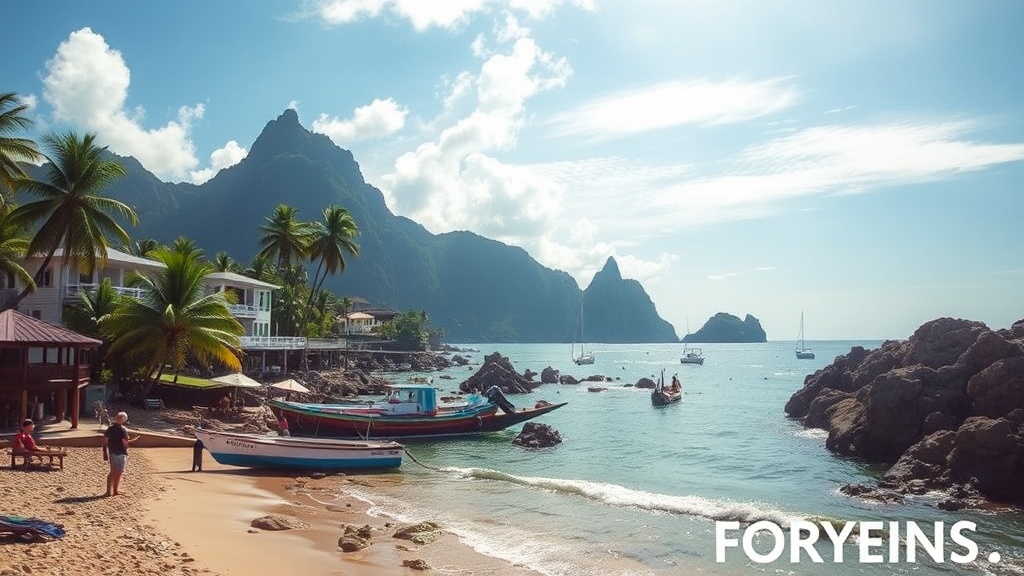
Coastal Budgeting Tips for Tropical Destinations

Are you dreaming of a tropical getaway but worried about the cost of your next flight or hotel stay? Planning a trip to a coastal paradise often feels like a choice between luxury and affordability, but it doesn't have to be. This guide breaks down how to manage your finances while visiting world-class beaches, ensuring you spend more on experiences and less on unnecessary overhead.
Travelers often assume that paradise comes with a hefty price tag. While high-end resorts certainly demand a premium, many of the world's best coastal-side experiences are surprisingly accessible if you know where to look. From understanding local transport to finding hidden gems for dining, we'll look at the practical ways to keep your bank account healthy while your body soaks up the sun.
When is the Best Time to Visit Tropical Beaches for Low Prices?
Timing is the most significant factor in determining your total expenditure. If you want to see the most beautiful shores without the crowds (or the premium prices), you need to look at the shoulder seasons. These are the periods between the peak high season and the low-season monsoon or rainy months. During these windows, many coastal resorts offer significant discounts to fill their rooms.
For example, if you're looking at Southeast Asian destinations, traveling just before or after the most intense monsoon season can save you a substantial amount of money. You might encounter a few more rain showers—which can be a blessing for the lush greenery—but the savings on luxury villas are often worth it. Always check the local weather patterns via AccuWeather to ensure your budget-friendly window doesn't accidentally land you in a hurricane zone.
- High Season: Highest prices, perfect weather, heavy crowds.
- Shoulder Season: Moderate prices, unpredictable weather, fewer tourists.
- Low Season: Lowest prices, heavy rain/storms, very few tourists.
Keep in mind that "cheap" can sometimes mean a trade-off in comfort. A budget-friendly tropical trip doesn't mean you have to suffer; it just means you're being strategic about when you book. Booking your flights at least three to four months in advance can also yield better results than last-minute deals that are often inflated by demand.
How Can I Find Cheap Tropical Accommodations?
Accommodation usually takes up the largest chunk of a travel budget. Instead of sticking to the massive international hotel chains that line the main boardwalks, look for local-owned boutique stays or guesthouses. These properties often provide a much more authentic feel and allow your money to stay within the local economy.
Consider staying just a few blocks away from the shoreline. Often, a five-minute walk through a local village or a short bike ride can save you hundreds of dollars per night compared to a beachfront hotel. You still get the same sun and sand, just without the direct view of the ocean from your pillow. Many of these smaller properties also offer home-cooked breakfasts, which is a great way to start your day without hitting a high-end cafe.
If you are traveling with a group or a family, look into vacation rentals or villas. While a single room might be cheap, a three-bedroom villa with a shared kitchen can actually be more cost-effective. Being able to prepare your own meals or even just a simple snack can drastically reduce your daily food costs. You can check local rental listings on sites like Airbnb or local property management sites to find options that aren't listed on the major hotel booking engines.
Ways to Save on Food and Drinks
Eating out every single meal at a beachside restaurant can quickly drain your funds. Beachfront dining often carries a "view tax," where you pay more simply for the proximity to the water. To avoid this, try exploring the local street food scenes or visiting local markets. Street food in tropical regions is frequently delicious, fresh, and incredibly affordable. It's a great way to sample local spices and flavors without the formal service of a seated restaurant.
Another tip is to carry a reusable water bottle. While many tropical destinations recommend bottled water for safety, you can often find refill stations at your hotel or in certain cafes. This prevents you from constantly buying single-use plastic bottles, which is better for the environment and your wallet. Also, watch out for the price of alcohol. In many tropical destinations, imported spirits are heavily taxed and can be quite expensive. Stick to local beers or fruit-based cocktails to keep costs down.
What are the Best Ways to Get Around Coastal Areas?
Transportation can be a hidden cost that adds up quickly. If you rely on taxis or private drivers, your daily budget will balloon. Instead, look into local transit options like tuk-tuks, scooters, or even local buses. Renting a scooter is a popular way to see the coast, providing freedom and a sense of adventure. Just ensure you have the proper licensing and insurance to avoid any legal headaches.
If you're not comfortable on a scooter, many coastal towns have water taxis or public ferries. These are often much cheaper than renting a private boat for a day of island hopping. Using public routes allows you to see the coastline from a different perspective while keeping your expenses low. Always check the schedules in advance so you don't find yourself stranded at a beach with no way back to your accommodation.
Pro-Tip: Always carry small denominations of local currency. Many local transport providers (like small boat operators or local bus drivers) may not accept large bills or credit cards, and having exact change prevents any awkward negotiations or overpaying for your ride.