

Budget Beach Vacations: The Real Costs No One Tells You About

Budget Beach Vacations: The Real Costs No One Tells You About
Look, I've been that person staring at a resort website thinking, "Okay, $180 a night, I can swing that." Then I get the final bill and wonder if I accidentally booked a penthouse suite I don't remember.
Here's the thing: I spent three years working as a concierge at resorts in Maui and Cancún. I've seen the look on guests' faces when they realize their "budget" beach vacation is costing way more than they planned. And I've been the budget traveler myself, counting pesos to make sure I could afford the bus back to the airport.
The problem isn't that beach vacations are inherently expensive. It's that the real costs are hidden, buried in fine print, or disguised as "convenience." This guide is what I wish I could've slipped to every guest who checked in looking nervous about their credit card bill.
The Resort Fee Trap (aka The $40-a-Day Surprise)
You found a great deal on that beachfront hotel. $150 a night! Except... there's a $45 daily resort fee. And parking is $35 a night. And the "complimentary" beach chairs require a $25-per-day rental.
Suddenly your "cheap" room is costing $255 a night before you've even touched the minibar.
I used to explain resort fees to guests at check-in, and you could watch their vacation mood deflate in real time. Here's what that fee typically covers:
- Pool towels (that you have to return or get charged)
- WiFi (that works in the lobby but barely in your room)
- Gym access (which you'll use once, maybe)
- Local calls (in 2026? Really?)
- Beach "access" (it's a public beach, Karen)
All-inclusive resorts sound like the solution, right? Maybe. But read what's actually included. Some "all-inclusive" packages don't cover premium drinks, certain restaurants, or water sports. Others have such terrible food that you'll end up eating out anyway — paying twice for every meal.

Food & Drink Economics: Tourist Zone vs. Reality
In Cancún's Hotel Zone, I watched a guest pay $18 for a piña colada. Eighteen. Dollars. Two blocks away, at a local spot on Avenida Tulum, that same drink costs $4 and tastes better because it's not made from a pre-mix machine.
The tourist zone markup is real, and it's not just resorts. Beachfront restaurants, hotel restaurants, and anything with an English-only menu is charging you 2-3x what locals pay for comparable (or better) food.
Here's my rule after 35+ beach destinations: Eat one meal a day "local." Breakfast is the easiest — find the spot where construction workers and taxi drivers are eating. In Maui, that's the diner with the $9 loco moco plate. In Puerto Vallarta, it's the taco stand with the grandma making fresh tortillas. In Thailand, it's the noodle soup cart with plastic stools.
Grocery stores are your friend, even for a 4-day trip. A $4 bottle of rum, some juice, and a hotel room ice bucket = sunset drinks on your balcony for a week. Compare that to three $14 resort cocktails and you've already justified the Uber to the store.
Transportation Math: The Hidden Budget Killer
Let's talk about getting around, because this is where I see the most budget bleeding.
Airport shuttles: The $20 shared shuttle seems smart until you realize you're the last drop-off and just spent 90 minutes in a van that smells like sunscreen and regret. For two people, a $35 rideshare direct to your hotel often saves both money and vacation time.
Rental cars: In some destinations (Maui, Costa Rica), you need a car. In others (Cancún Hotel Zone, South Beach), parking fees will eat you alive. That $30/day rental becomes $75/day when you add hotel parking, resort parking fees (yes, separate from the resort fee), and the gas station near the airport that preys on tourists returning cars.
Scooters and bikes: In beach towns, these are often the sweet spot. $15-25/day for a scooter in Puerto Vallarta or Key West gets you everywhere you need to go, parking is free, and you're not sweating in traffic.
Activity Pricing: What's Worth It vs. Markup City
Beach chair rentals: $25-40/day. For a chair. That lives on the sand full-time. The resort isn't shipping it in daily — it's just sitting there. Bring a $15 beach blanket from Target and keep it for your next five trips.
Water sports have huge price ranges for the same experience. A jet ski tour booked through your hotel concierge? $120. The same tour booked by walking 200 meters down the beach to the vendor directly? $60. The only difference is who's taking the commission.
Excursions are where budgets really die. That "swim with dolphins" experience? It's $150+ for 30 minutes in a pool with stressed-out animals. The snorkeling trip that includes lunch and three reef stops? Often $50-70 and you'll remember it for years.
My framework: Splurge on one "big" experience that matters to you — maybe that's a sunset sail or a scuba certification. Save on the daily stuff that adds up fast. You won't remember the jet ski rental in five years, but you might remember that one perfect snorkeling spot where you swam with sea turtles.
The "Convenience Tax": Beachfront vs. Reality
I need to be honest about something that goes against every resort marketing photo you've seen: I almost never stay beachfront anymore.
Don't get me wrong — waking up to ocean views is incredible. But I've paid for that view too many times while realizing I spend all day at the beach, not looking at it from my room.
That hotel two blocks back? It's often half the price, has better food options nearby, and you're still at the beach in 90 seconds. The only time beachfront really matters is if you have small kids who need nap breaks, mobility issues that make walking difficult, or you're on a honeymoon where you genuinely won't leave the room much.
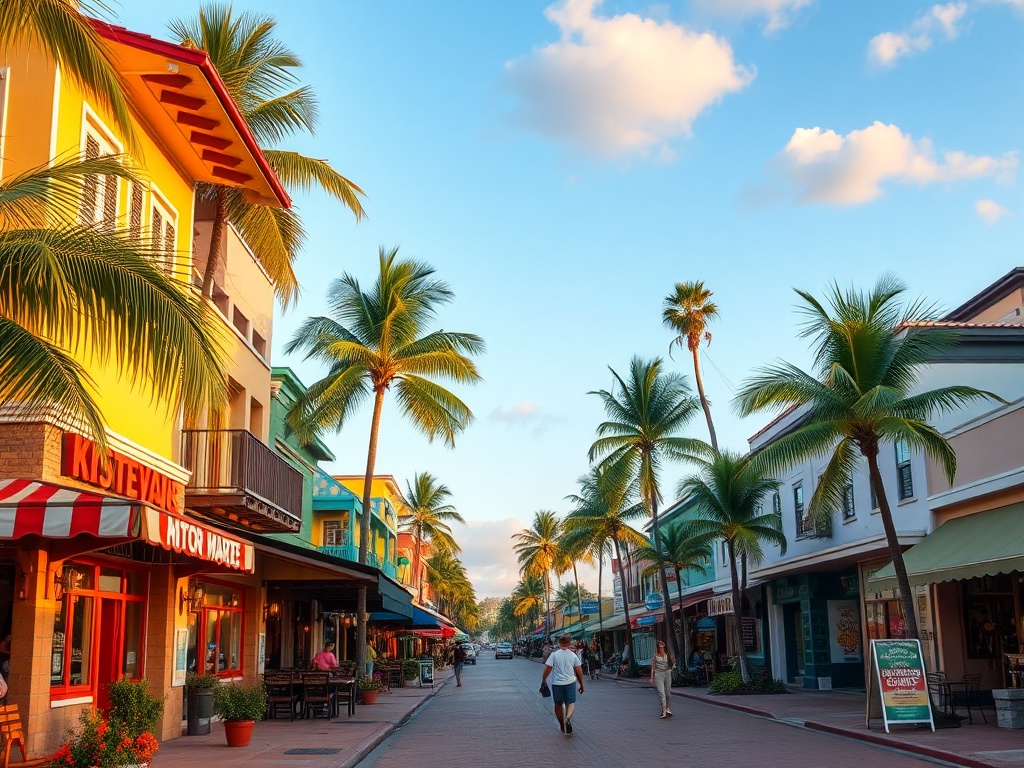
The money you save on a non-beachfront room? That's your excursion fund, your nice dinner fund, your "I don't have to stress about every $5 purchase" fund.
The Bottom Line
Budget beach vacations aren't about deprivation — they're about spending intentionally. Know where your money goes, pay for what actually matters to you, and skip the stuff that's just convenient markup.
I've had $80-a-night hostel stays in Sayulita that were better trips than $400-a-night resort stays, because I wasn't stressed about surprise charges and I had money left over for experiences.
The ocean is free. The sunset is free. That feeling of sand between your toes and salt on your skin? Also free. Everything else is negotiable.
What hidden costs have caught you off guard on beach trips? Drop a comment — I read every one, and your experience might save someone else a headache.