
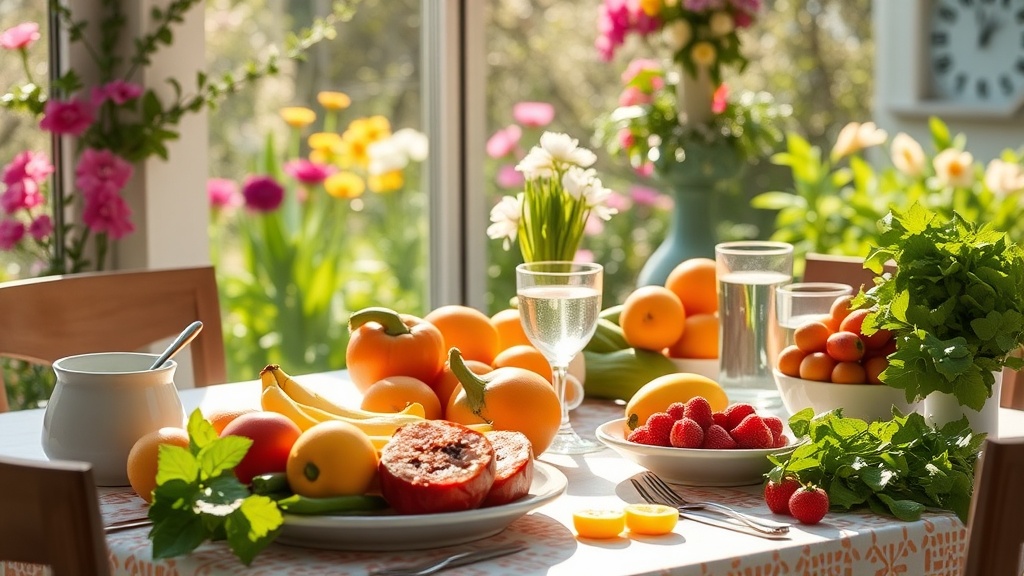
Bio-Harmony Meets Spring: Align Your Meals with Your Circadian Rhythm for Renewed Energy

Hook:
Ever feel sluggish after breakfast even though you ate a "healthy" smoothie? It might not be what you ate, but when you ate it. Aligning your meals with your internal clock can turn that mid‑morning slump into a burst of spring‑fresh energy.
Context:
Spring is nature’s reset button—days get longer, sunlight floods in, and our bodies crave a new rhythm. In 2026, bio‑harmony—syncing lifestyle choices with biology—has become a buzzword in wellness circles, backed by fresh neuroscience research.
Why Does Timing Matter for Your Energy?
What does science say about circadian rhythm and health?
Recent studies show that a weakened body clock correlates with higher dementia risk and lower daytime alertness [ScienceDaily]. Researchers at the University of Maryland emphasize that daytime function—not just sleep quality—is crucial for overall well‑being [UMD News].
How Can You Sync Meals with the Spring Light Cycle?
When should I eat each main meal?
- Breakfast (7‑9 am): Aim for a light, protein‑rich start—think Greek yogurt with fresh berries and a sprinkle of chia. The early light exposure helps reset your suprachiasmatic nucleus, the brain’s master clock.
- Mid‑morning snack (10‑11 am): Keep it simple: a handful of almonds or a sliced apple. This small fuel keeps blood sugar steady until lunch.
- Lunch (12‑2 pm): This is your body’s peak metabolic window. Opt for balanced plates—lean protein, complex carbs, and plenty of greens. Example: Grilled salmon, quinoa salad with orange segments, and a drizzle of olive oil.
- Afternoon snack (3‑4 pm): Light again—perhaps a green smoothie with spinach, pineapple, and a splash of coconut water.
- Dinner (6‑8 pm): As daylight fades, shift to lighter, easier‑to‑digest foods. Think roasted vegetable medley with tofu or a chickpea stew. Avoid heavy carbs after 8 pm to prevent circadian misalignment.
Light Exposure: The Unsung Meal Companion
How does daylight affect digestion?
Natural light tells your gut when to be active. Spend 15‑20 minutes outside after breakfast and lunch. If weather’s uncooperative, sit by a bright window or use a full‑spectrum light box.
Sample Spring Menu for One Day
What does a bio‑harmonized day look like?
| Time | Meal | Ingredients |
|---|---|---|
| 7:30 am | Breakfast | Greek yogurt, mixed berries, chia seeds, honey drizzle |
| 10:30 am | Snack | Almonds, green tea |
| 12:30 pm | Lunch | Grilled salmon, quinoa, orange segments, arugula, olive oil |
| 3:30 pm | Snack | Spinach‑pineapple smoothie, coconut water |
| 7:00 pm | Dinner | Roasted asparagus, bell peppers, tofu, lemon‑tahini sauce |
Pro Tips for Spring Bio‑Harmony
What are the insider tricks that make the difference?
- Hydrate with purpose — Start each day with a glass of water infused with a slice of lemon; it jump‑starts digestion and signals wakefulness.
- Seasonal produce — Spring vegetables like asparagus, peas, and radishes are naturally rich in phytonutrients that support hormone balance.
- Mindful eating — Put down screens for at least 20 minutes while you eat. This reduces stress hormones that can disrupt circadian timing.
Common Mistakes to Avoid
What pitfalls should I watch out for?
- Eating heavy carbs after dark — Triggers insulin spikes that confuse your night‑time melatonin release.
- Skipping morning light — Leads to delayed circadian phase, making you feel groggy even after a good night’s sleep.
- Irregular meal times — Inconsistent timing blunts the metabolic benefits of bio‑harmony.
Takeaway
What’s the next step?
Start small: pick one meal this week and shift it into the recommended window, then add a daily 15‑minute sunlight break. By the end of spring, you’ll notice steadier energy, clearer focus, and a healthier relationship with food.
Related Reading
- Embracing Bio‑Harmony: Align Your Lifestyle with Your Circadian Rhythm — deeper dive into the science behind bio‑harmony.
- Spring Clean Your Digital Life: Practical Steps for a Fresh Start — how clearing digital clutter supports mental clarity, a key part of overall harmony.
- How to Plan a Budget Spring Break in Hilo, Hawaii (2026) — enjoy a spring getaway while keeping your meals in sync with the island’s sunrise schedule.
Ready to reset your internal clock? Grab a fresh fruit, step outside, and let spring do the rest.