
Beyond the Overwater Bungalow: Your Ultimate Guide to Planning the Perfect Maldives Escape in 2024
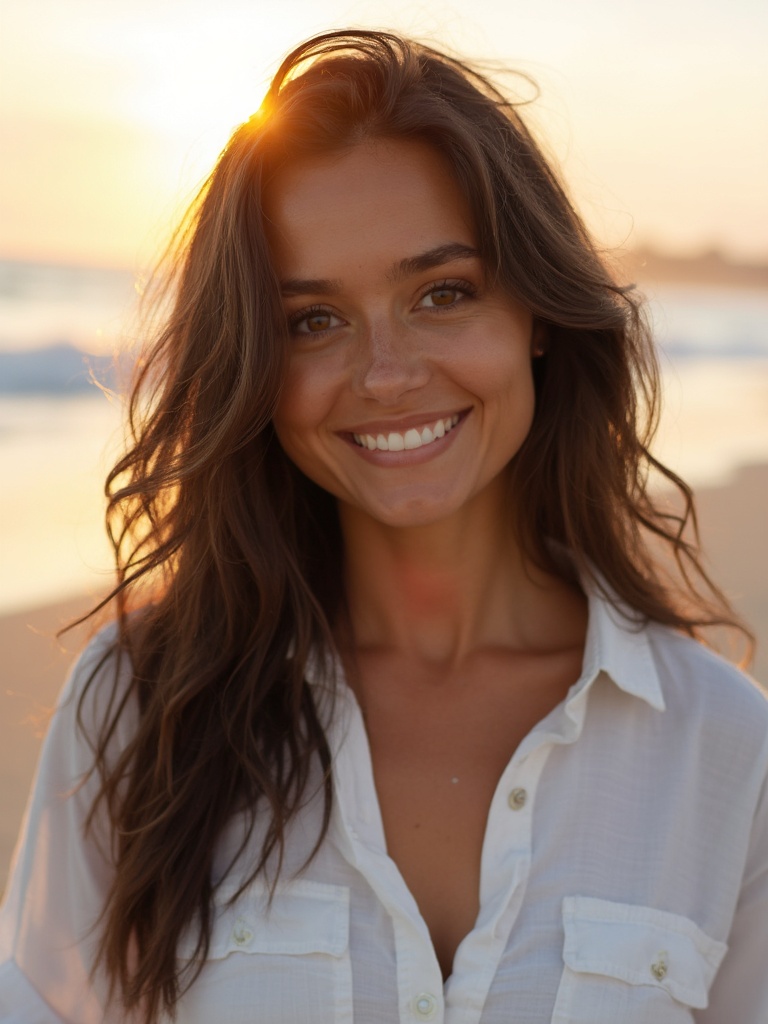
Imagine Your Perfect Island Morning
Close your eyes and picture this: You're standing on a private wooden deck, the Indian Ocean stretching endlessly before you in fifty shades of blue—from pale aquamarine to deep sapphire. The only sounds are the gentle lapping of waves beneath your feet and the distant call of a tropical bird. No traffic, no crowds, just pure, unadulterated paradise. 🌊
Welcome to the Maldives—a destination that tops bucket lists for good reason. But here's the secret most travel blogs won't tell you: this archipelago of 1,200 islands isn't just for honeymooners with unlimited budgets or scuba diving elites. Whether you're planning a family adventure, a solo wellness retreat, or a romantic getaway, the Maldives offers something magical for every type of beach lover. Let's dive into everything you need to know to make your island dreams a reality! ☀️
Understanding the Maldivian Lay of the Land
Before you book that flight, let's get our geography straight (don't worry, there won't be a quiz!). The Maldives consists of 26 atolls—ring-shaped coral formations that create natural swimming pools of calm, clear water. These are scattered across the equator like emerald necklaces dropped into the Indian Ocean.
Resort Islands vs. Local Islands: Choosing Your Vibe
Here's where your travel personality comes into play. The Maldives operates on a unique "one island, one resort" policy for tourist accommodations, meaning each private resort occupies its own uninhabited island. These offer the iconic overwater bungalows, all-inclusive packages, and that castaway-luxury experience you've been drooling over on Instagram.
But wait—there's another side to paradise! Since 2009, local inhabited islands have opened guesthouses, offering authentic cultural experiences at a fraction of the cost. On islands like Maafushi, Thoddoo, or Guraidhoo, you'll share beaches with friendly locals, eat at family-run cafes serving fresh mas huni (tuna and coconut breakfast), and experience the real Maldivian way of life.
My recommendation? If your schedule allows, split your trip! Spend three nights at a local island soaking up culture and saving money, then splurge on two nights at a resort for that once-in-a-lifetime overwater bungalow experience. Best of both worlds! 🏝️
Timing Your Trip: When to Catch Perfect Weather
Let's talk strategy. The Maldives enjoys a tropical climate year-round with temperatures hovering between 79-88°F (26-31°C), but timing matters if you want those postcard-perfect sunny days and calm seas.
The Dry Season (November to April)
This is peak season for a reason. Expect crystal-clear visibility for snorkeling, glassy calm seas for boat transfers, and endless sunshine. December through March is particularly divine, with humidity at its lowest and whale shark sightings at their peak in South Ari Atoll.
Pro tip: If you're flexible with dates, aim for late November or early April. You'll catch the tail ends of perfect weather while avoiding the Christmas/New Year price surges (which can be eye-wateringly expensive—we're talking $1,000+ per night minimums at luxury resorts during the holidays).
The Wet Season (May to October)
Don't write off the "low season" just yet! While you might encounter afternoon showers (usually brief and dramatic) and slightly rougher seas, this is when manta rays congregate by the hundreds in Hanifaru Bay—a UNESCO biosphere reserve. Plus, resorts often offer 30-40% discounts, and you'll have those pristine beaches practically to yourself. Just pack a good book and embrace the tropical rhythm! 🌧️
Budget Breakdown: From Backpacker to Luxury Seeker
Let's address the elephant in the room: Yes, the Maldives can be expensive, but it absolutely doesn't have to break the bank. Here's how to navigate different budget tiers without sacrificing the magic:
The Savvy Explorer ($80-150 per day)
Stay on local islands like Maafushi or Ukulhas in boutique guesthouses ($50-80 per night). Use public ferries ($2-5 between nearby islands) instead of private speedboats ($25-75). Eat at local cafes called hotaa (hearty meals for $5-8) and join group snorkeling trips ($20-30 including gear). You can absolutely enjoy world-class beaches, vibrant coral reefs, and fresh seafood on a backpacker budget if you're willing to skip the champagne breakfasts!
The Mid-Range Dreamer ($300-600 per day)
Look for three or four-star resort packages that include half-board or full-board. Properties like Reethi Beach Resort, Adaaran Select Hudhuranfushi, or Bandos Island offer beautiful beach bungalows starting around $200-300 per night with meals included. You'll get that resort experience—house reef snorkeling, sunset cruises, and beachfront dinners—without the five-star price tag.
The Luxury Indulgence ($800+ per day)
This is where the Maldives truly shines as the ultimate luxury destination. At properties like Soneva Jani, Waldorf Astoria Ithaafushi, or One&Only Reethi Rah, you're paying for barefoot luxury, private infinity pools, glass floors over the ocean, personal butlers, and Michelin-level dining. If this is your splurge, book during shoulder season (May or November) and look for "stay 7, pay 5" deals to maximize value.
Unmissable Experiences: More Than Just Lounging
While doing absolutely nothing is a perfectly valid Maldives activity (and highly recommended!), don't miss these adventures that will make your trip unforgettable:
- Bioluminescent Night Swimming: Visit Vaadhoo Island or certain resort beaches during the right season (usually late summer through winter) to see the "Sea of Stars"—microscopic dinoflagellates that light up when disturbed, creating a galaxy of blue sparkles in the waves. It's pure magic! ✨
- Underwater Dining: Even if you're not staying at Conrad Maldives' Ithaa Undersea Restaurant, many resorts offer lunch visits to their underwater eateries. Dining surrounded by tropical fish and sea turtles while staying completely dry is a surreal experience worth the splurge.
- Island Hopping by Dhoni: Skip the speedboat transfer and charter a traditional wooden dhoni boat for a day. These slow-paced, sail-powered vessels let you discover uninhabited sandbanks where you can claim your own private island for a few hours—just you, a picnic lunch, and endless turquoise water.
- Sunset Dolphin Cruises: Almost every resort and guesthouse offers these, and the sight of dozens of spinner dolphins dancing through golden-hour waters, leaping and twirling alongside your boat, never gets old. Bring your camera, but don't forget to put it down and just watch!
- Glow-in-the-Dark Night Snorkeling: Some eco-resorts offer night snorkeling with UV lights that make coral fluorescence in neon greens and purples—a completely different perspective on the reef ecosystem.
The Essential Packing List for Paradise
Packing for the Maldives requires a specific strategy. Most transfers are by seaplane or speedboat with strict weight limits (usually 20-25kg checked luggage), and you won't find convenience stores on private resort islands.
- Reef-Safe Sunscreen: The Maldives has banned sunscreens containing oxybenzone and octinoxate to protect their fragile coral ecosystems. Bring biodegradable, mineral-based options (look for non-nano zinc oxide) or plan to buy locally upon arrival.
- Modest Clothing for Local Islands: If visiting inhabited islands, bring clothing that covers shoulders and knees when away from the beach areas. Bikinis are only permitted on designated "bikini beaches" or private resort islands—respecting local customs is crucial.
- Underwater Camera or Waterproof Phone Case: The snorkeling is too spectacular to miss documenting. You'll likely encounter sea turtles, reef sharks, and rainbow-colored parrotfish within minutes of entering the water.
- Light Layers: Paradoxically, air-conditioning in resort restaurants and lounges can be Arctic-level cold! Bring a light cardigan or sarong for indoor comfort.
- Cash for Tipping: While high-end resorts are mostly cashless, you'll want US dollars (the unofficial second currency) for tipping staff on local islands, boat crews, and airport porters.
- Sea Sickness Remedies: If you're prone to motion sickness, bring medication for seaplane transfers and boat rides—some crossings can be choppy, especially during afternoon hours.
Traveling Responsibly: Keeping Paradise Pristine
The Maldives sits just 4 feet above sea level on average, making it ground zero for climate change. As visitors to this fragile ecosystem, we have a responsibility to tread lightly and travel sustainably:
Choose eco-certified resorts like Banyan Tree Vabbinfaru, Gili Lankanfushi, or Soneva Fushi, which operate on extensive solar power systems, practice coral propagation, and have eliminated single-use plastics. Participate in coral planting programs offered by many marine biology centers, bring a reusable water bottle with a filter (tap water isn't potable, but filtered refills reduce plastic waste), and never, ever touch marine life while snorkeling.
Remember: Those beautiful starfish need to stay submerged to survive—no matter how perfect they look for a photo! And please don't collect shells or coral as souvenirs; leave the beach exactly as you found it for future generations. 🐚
Your Island Adventure Awaits
The Maldives isn't just a destination; it's a state of mind. Whether you're sipping fresh coconut water on a local island pier, watching the sunset paint the sky in watercolor hues from your private deck, or floating weightlessly above a sea turtle in crystal-clear lagoon, you're experiencing one of the last true paradises on Earth.
Start planning now, pack that reef-safe sunscreen, and prepare for the trip that will ruin all other beaches for you forever (in the absolute best way possible!). The turquoise waters are calling—will you answer?
Have you been to the Maldives, or is it still on your bucket list? Drop a comment below with your dream resort or your biggest question about planning! And don't forget to share this guide with your travel buddy—paradise is always better when shared. 🏖️✨