Beyond the Brochure: 5 Hidden Beach Towns Where Authentic Coastal Magic Still Exists 🏖️✨

Why the Best Beach Memories Happen Off the Beaten Path
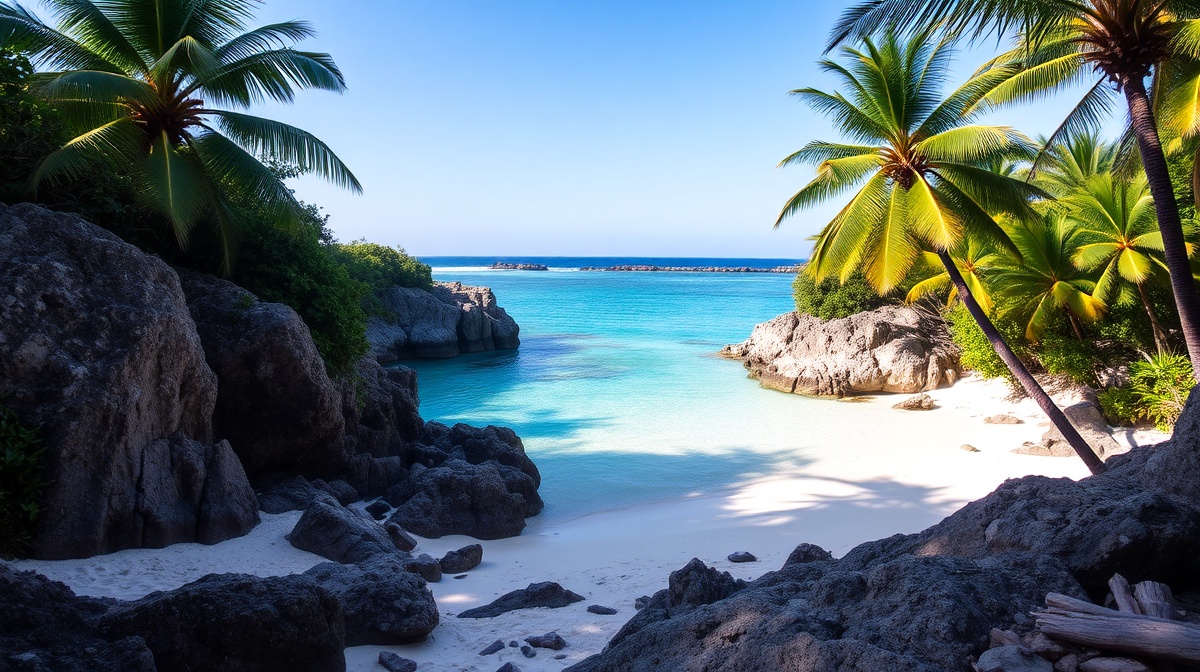
Imagine waking up to the sound of gentle waves lapping against untouched shores, where the only footprints in the sand are yours and a few local fishermen's. No fighting for towel space, no overpriced tourist traps—just pure, unfiltered coastal magic. 🌊
As someone who's spent years chasing sunsets across six continents, I can tell you that the most transformative beach experiences rarely happen at all-inclusive mega-resorts. They happen in hidden coves where grandmothers still teach traditional fishing techniques, where beach bars serve catch-of-the-day on weathered wooden tables, and where you'll stumble upon secret swimming holes that don't appear on Instagram.
Today, I'm sharing five extraordinary hidden beach towns that have stolen my heart. These aren't just destinations; they're invitations to slow down, connect with local culture, and discover what beach travel truly means when you strip away the crowds. Pack your sense of adventure—your passport to authentic paradise awaits! ☀️
1. Las Terrenas, Dominican Republic: The Caribbean's Best-Kept Secret
While tourists flock to Punta Cana's sprawling resorts, savvy travelers are falling head over heels for Las Terrenas on the Samaná Peninsula. This former fishing village has evolved into a sophisticated yet bohemian beach town where French expats mingle with Dominican locals, creating a unique cultural fusion you won't find anywhere else in the Caribbean.
What Makes It Special
The beaches here are nothing short of cinematic. Playa Bonita lives up to its name with powder-soft sand and turquoise waters framed by coconut palms, while Playa Cosón offers miles of undeveloped shoreline perfect for long, contemplative walks. But the real magic happens in the town itself—think artisanal bakeries serving fresh-baked baguettes next to stalls selling ripe mangoes and passion fruit.
Practical Details
- Best time to visit: January through March for whale watching (humpbacks migrate here!), or April-May for perfect weather and fewer crowds
- Getting there: Fly into Santo Domingo (SDQ) or Samaná El Catey (AZS), then rent a car or take a scenic 2-hour drive through lush mountain passes
- Budget tip: Stay in a local posada (guesthouse) rather than beachfront hotels—you'll save 40% and get authentic Dominican hospitality
- Must-do: Take a day trip to El Limón waterfall; hike or horseback ride through jungle trails to reach this 130-foot cascade
2. Alonissos, Greece: Where the Mediterranean Remains Wild
Santorini and Mykonos get all the glory, but the Sporades Islands hide Greece's most pristine marine sanctuary. Alonissos, the third-largest island in this northern archipelago, is surrounded by the National Marine Park of Northern Sporades—the largest protected marine area in Europe. Here, monk seals play in secret caves, and pine forests tumble down hillsides straight into crystal-clear Aegean waters. 🐚
What Makes It Special
The old village of Chora sits perched on a hilltop like a whitewashed eagle's nest, offering panoramic views that will literally take your breath away. Unlike the Cyclades' stark, rocky landscapes, Alonissos is lush and green, scented with wild herbs and pine. The beaches here—like Milia and Leftos Gialos—feature a rare combination of white pebbles and turquoise waters that rival any Caribbean paradise.
Practical Details
- Best time to visit: June or September for warm seas and empty beaches; July-August is lovely but busier with European families
- Getting there: Fly to Skiathos (JSI), then take a 1.5-hour ferry to Alonissos—book tickets in advance during peak season
- Eco-friendly stay: Look for the Green Key certification when booking accommodations; many local hotels lead conservation efforts
- Don't miss: Rent a boat (no license needed for small motors!) to explore the uninhabited islets and sea caves of the marine park
3. Tofino, British Columbia: Surfing in the Great White North
Who says beach vacations require tropical temperatures? Tofino, located on Vancouver Island's rugged west coast, proves that some of the world's most soul-stirring coastal experiences happen where the rainforest meets the Pacific Ocean. This quirky surf town has a vibe that's equal parts hippie, hipster, and hardcore wilderness enthusiast. 🏄♀️🌲
What Makes It Special
Picture this: You're wrapped in a cozy wool sweater, sipping locally roasted coffee while watching experienced surfers carve through rolling waves misted with ocean spray. The beaches here—Chesterman, Long Beach, and Cox Bay—stretch for miles, backed by ancient cedar forests and dramatic rocky outcrops. Storm watching season (November-February) has become legendary, as massive Pacific swells crash against the shore with thunderous power.
Practical Details
- Best time to visit: Summer (June-August) for mild weather and swimming; March-May for surfing beginners; November-January for storm watching
- Getting there: Fly to Victoria (YYJ) or Vancouver (YVR), then take a scenic ferry to Nanaimo followed by a 3-hour drive across the island—consider it part of the adventure!
- What to pack: Layers, layers, layers! Even summer evenings can be cool. Definitely bring a rain jacket and sturdy boots for tide pooling
- Local secret: Visit the Tacofino food truck (yes, it started here!) for the best fish tacos of your life, eaten on the beach at sunset
4. Ponta do Corumbau, Brazil: Where the Reef Meets the River
Brazil's coastline stretches over 4,600 miles, yet most international visitors only see Rio's famous Copacabana. Venture north to Bahia state, however, and you'll discover Ponta do Corumbau—a remote sandbar where a crystal-clear river meets the Atlantic Ocean, creating natural swimming pools of impossible turquoise hues.
What Makes It Special
This isn't just a beach; it's an ecological wonderland. At low tide, the reef barrier creates calm, warm pools perfect for floating with a caipirinha in hand. The surrounding area is protected, meaning no high-rise hotels—just rustic-chic pousadas run by local families who've lived here for generations. The nearby Corumbau Marine Extractive Reserve ensures the coral reefs and sea turtle nesting sites remain pristine.
Practical Details
- Best time to visit: December through March for the driest weather and warmest waters (85°F+)
- Getting there: Fly to Porto Seguro (BPS), then arrange a 4x4 transfer (2.5 hours) or take a scenic boat ride along the coast
- Sustainability note: Bring reef-safe sunscreen and avoid touching the coral. This is a protected area where your responsible choices directly impact conservation
- Experience of a lifetime: Arrange a bioluminescence night swim during the new moon—the phytoplankton here light up like underwater stars when disturbed
5. Koh Rong Samloem, Cambodia: Southeast Asia's Ultimate Castaway Experience
Thailand's islands have become synonymous with full-moon parties and backpacker crowds, but just across the border in Cambodia lies Koh Rong Samloem—an island that feels like Thailand's islands did twenty years ago. We're talking pristine jungle interiors, bioluminescent plankton that make the water glow at night, and hammocks strung between palm trees on nearly deserted beaches. 🌴✨
What Makes It Special
Saracen Bay offers a perfect crescent of white sand with a handful of eco-resorts, while Lazy Beach on the west coast serves up the most spectacular sunsets in the Gulf of Thailand. There's no ATM on the island, limited electricity (solar power rules here), and definitely no cars. This is digital detox territory at its finest.
Practical Details
- Best time to visit: November through May during the dry season; avoid September-October when heavy rains can disrupt boat transfers
- Getting there: Fly to Sihanoukville (KOS), then take a 45-minute speedboat to the island—book with reputable companies like Speed Ferry Cambodia
- Budget breakdown: Accommodation ranges from $15 beach bungalows to $150 luxury eco-resorts. Meals average $5-8 for fresh seafood
- Safety first: Bring cash (USD is widely accepted), a first-aid kit, and malaria prophylaxis if traveling to remote jungle areas
How to Be a Responsible Hidden Gem Traveler
With great discovery comes great responsibility. These communities welcome conscious travelers who respect their environments and cultures. Here are my top tips for visiting responsibly:
- Support local economies: Eat at family-run restaurants, hire local guides, and buy handicrafts directly from artisans
- Leave no trace: Pack out everything you pack in, especially on islands where waste management is challenging
- Respect wildlife: Maintain distance from marine animals, never feed fish, and use only reef-safe sunscreen
- Learn basic phrases: A simple "hello" and "thank you" in the local language opens doors and hearts
- Travel slowly: Instead of hopping between three spots in a week, choose one place and stay awhile. You'll reduce your carbon footprint and gain deeper connections
Your Hidden Beach Adventure Starts Now
Whether you're drawn to the Caribbean rhythms of Las Terrenas, the wild beauty of Tofino, or the castaway fantasy of Koh Rong Samloem, these hidden beach towns offer something increasingly rare in our hyper-connected world: the chance to truly disconnect and rediscover the simple joy of sand between your toes. 🏖️
Remember, the best beach vacations aren't about checking destinations off a list—they're about the unexpected conversations with locals, the secret spots you discover by getting lost, and the moments of pure, unadulterated peace that only come when you step away from the crowds.
Which of these hidden gems is calling your name? Drop a comment below and share your favorite off-the-beaten-path beach discovery! And if you're ready to start planning, download my free Hidden Beaches Packing Checklist to ensure you're prepared for whatever adventure awaits. Here's to your next unforgettable coastal escape! 🌊☀️