
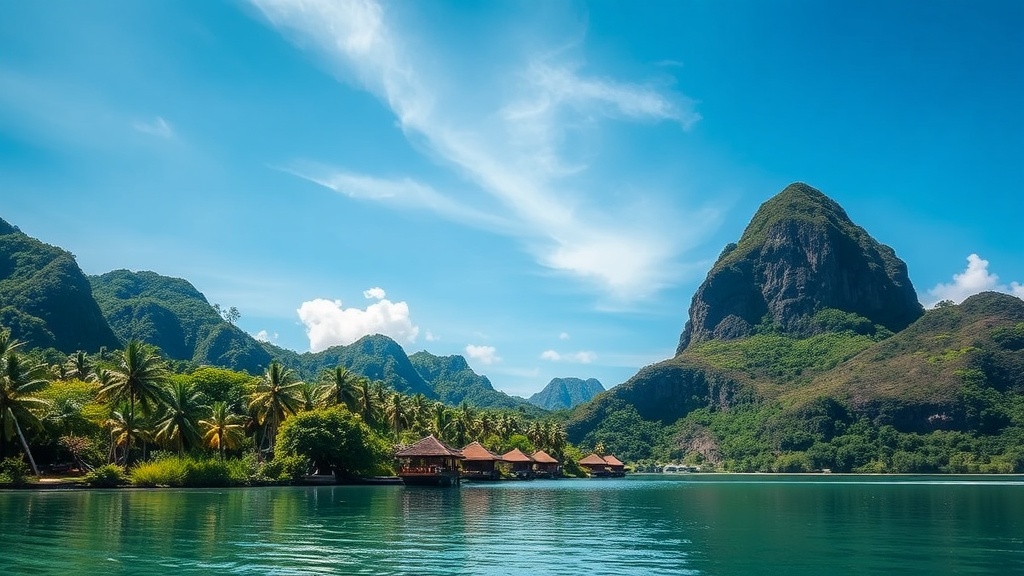
7 Pristine Tropical Paradises You Need to Visit This Year

Maldives: Overwater Bungalows and Crystal Lagoons
Bora Bora: The Jewel of French Polynesia
Seychelles: Granite Boulders and Pristine Coves
Phi Phi Islands: Thailand's Stunning Archipelago
Turks and Caicos: Grace Bay's Endless White Sand
This post covers seven untouched tropical destinations where crystal waters meet powder-soft sands—places that haven't been overrun by crowds or commercialization. Whether you're planning a romantic getaway, a solo escape, or a family adventure, these beaches deliver something extraordinary without the tourist traps.
What Makes a Beach Paradise "Pristine"?
A pristine beach maintains its natural state—clean waters, undisturbed ecosystems, limited development, and minimal foot traffic. That said, the term gets thrown around loosely in travel marketing. Here's the thing: true paradise isn't just about pretty Instagram photos.
Worth noting—many so-called "hidden gems" have actually been discovered long ago. The beaches on this list balance accessibility with preservation. You won't need a private yacht to reach them (though some effort is required), and you won't find McDonald's on the shoreline.
The Environmental Protection Agency maintains strict standards for water quality at certified beaches, and several of our picks regularly exceed these benchmarks. The catch? You'll need to book during shoulder seasons to avoid the worst crowds—even paradise has peak tourist windows.
Where Are the Most Beautiful Untouched Beaches in the World?
The most spectacular unspoiled beaches cluster in the South Pacific, Indian Ocean, and remote Caribbean islands—regions where geographic isolation has protected shorelines from mass development.
1. Whitehaven Beach, Whitsunday Islands, Australia
Seven kilometers of silica sand so pure it squeaks beneath bare feet. Whitehaven stretches along Whitsunday Island's eastern edge, where Hill Inlet creates swirling patterns of white sand and turquoise water visible from the Tongue Point lookout.
The sand here is 98% pure silica—it doesn't retain heat, so you can walk barefoot even at midday. No hotels line this beach. No restaurants. Just you, the sand, and the Coral Sea. Tours depart daily from Airlie Beach aboard catamarans like the Cruise Whitsundays vessel—expect to pay around $200 AUD for a full-day excursion.
Here's the thing about Whitehaven: it gets busy. The catch? Most visitors cluster at the southern end near Hill Inlet. Walk north for twenty minutes and you'll find stretches of beach with perhaps a dozen people. Bring reef-safe sunscreen (brands like SunButter or Raw Elements)—regular sunscreen damages the marine ecosystem.
2. Anse Source d'Argent, La Digue, Seychelles
Granite boulders the size of houses frame this beach, creating natural swimming pools at low tide. Palm trees lean over powder-fine sand. The water shifts from emerald to sapphire depending on the sun's angle.
La Digue island has limited vehicle traffic—most visitors rent bicycles from Laxmi's Rentals (about 150 rupees per day) and pedal the flat coastal roads. Anse Source d'Argent sits within the L'Union Estate, a working coconut plantation that charges a small entrance fee. Worth noting: the beach faces west, making it ideal for sunset photography but less suited for sunrise.
The Seychelles government maintains strict environmental protections. Development is limited, resorts must meet sustainability standards, and the marine parks are actively patrolled. You won't find beach vendors here—just the occasional giant tortoise wandering through.
3. Tulum Beach, Riviera Maya, Mexico
Mayan ruins perch on limestone cliffs above Caribbean waters that glow an impossible shade of blue. Below, Tulum's beach stretches for miles—eco-lodges and yoga retreats rather than all-inclusive resorts.
The Tulum ruins themselves open at 8 AM. Arrive early (really early—7:45 AM) and you'll have the clifftop views nearly alone. By 10 AM, tour buses arrive. The beach below the ruins stays relatively quiet even during peak hours—most visitors stick to the archaeological site and leave.
That said, Tulum has changed. The town behind the beach road now buzzes with restaurants like Gitano and Hartwood, where dinner reservations require weeks of advance planning. The beach zone remains magical, especially the southern stretches toward the Sian Ka'an Biosphere Reserve.
For accommodations, consider Azulik—treehouse-style villas with no electricity in the rooms (candles and moonlight only)—or Casa Malca, Pablo Escobar's former mansion turned boutique hotel with an art collection rivaling small museums.
Which Tropical Destinations Offer the Best Value?
The Philippines and Vietnam deliver world-class beaches at a fraction of Caribbean or South Pacific prices—often 60-70% less for equivalent accommodations and dining.
| Destination | Avg. Hotel (4-star) | Meal for Two | Best Months |
|---|---|---|---|
| Whitsundays, Australia | $280 AUD/night | $90 AUD | May-October |
| Seychelles | $350 USD/night | $70 USD | April-May, Oct-Nov |
| Tulum, Mexico | $180 USD/night | $50 USD | November-March |
| Palawan, Philippines | $65 USD/night | $15 USD | November-May |
| Phu Quoc, Vietnam | $55 USD/night | $12 USD | November-March |
4. El Nido, Palawan, Philippines
Limestone karsts rise from emerald lagoons. Hidden beaches reveal themselves only through narrow gaps in rock walls. The water is bathtub-warm and so clear you can spot sea turtles from your kayak.
El Nido requires effort to reach—a six-hour van ride from Puerto Princesa airport (itself a flight from Manila). Here's the thing: that difficulty filters out casual tourists. What remains are dedicated travelers willing to endure bumpy roads for paradise.
Tour operators organize daily island-hopping excursions—Tour A hits the famous Big and Small Lagoons, while Tour C visits secret beaches and snorkeling spots. Expect to pay 1,400 pesos (about $25 USD) including lunch prepared on a pristine beach. The catch? Weather dictates everything. Storms roll in fast during monsoon season (June-October), canceling boats for days.
5. Phu Quoc, Vietnam
Vietnam's largest island sits in the Gulf of Thailand, close enough to Cambodia that you can see its coastline on clear days. Long Beach (Bai Truong) stretches 20 kilometers of palm-fringed sand. Sao Beach (Bai Sao) on the east coast curves like a smile with powder-white sand.
Phu Quoc offers something rare: genuine development without destruction. The southern tip hosts the JW Marriott Phu Quoc Emerald Bay—Bill Bensley designed this resort to resemble a fictional university, with buildings in candy colors and a beachfront that remains public (Vietnamese law requires beach access for all).
Night markets sizzle with seafood caught that morning. Dinh Cau Night Market serves sea urchin, grilled squid, and the island's famous fish sauce—Phu Quoc produces some of the world's finest, aged in wooden barrels for months.
6. Grace Bay, Providenciales, Turks and Caicos
Consistently ranked among the world's best beaches, Grace Bay delivers perfection without pretension. Twelve miles of coral-sand beach. Water so calm it resembles glass. A barrier reef one mile offshore that creates natural swimming conditions and protects marine life.
Unlike many Caribbean destinations, Turks and Caicos maintains strict building codes—no structure can exceed five stories, and beachfront development must preserve natural vegetation. The result feels intimate rather than overbuilt.
Snorkelers should book a trip with Caicos Dream Tours—their half-day excursions visit Iguana Island and coral gardens teeming with parrotfish and eagle rays. For dining, Coco Bistro (set among palm trees) and Da Conch Shack (beachfront, casual, famous for conch prepared six ways) satisfy different moods.
Worth noting: Providenciales isn't cheap. The island imports most food and supplies, and tourism focuses on the luxury segment. Budget travelers should consider Airbnb options in the Grace Bay area—walking distance to the beach without resort prices.
What's the Best Time of Year to Visit Tropical Beaches?
Dry season—typically November through April in most tropical regions—offers the ideal combination of minimal rainfall, lower humidity, and calm seas, though specific timing varies by hemisphere and region.
7. Seven Mile Beach, Negril, Jamaica
Actually closer to five miles (but who's counting?), this stretch of sand on Jamaica's western tip embodies the Caribbean fantasy without the all-inclusive bubble. Cliffs flank the beach's northern end, where daredevils cliff-jump into turquoise water.
Negril developed slowly, and you can feel the difference. Small hotels—Rockhouse and Tensing Pen among them—blend into the terrain rather than dominating it. Rick's Cafe draws sunset crowds (and yes, it's touristy, but the view justifies it).
The water here stays shallow far from shore—perfect for wading, less ideal for serious swimming. That said, the snorkeling at the cliffs' edge reveals coral formations and tropical fish within easy reach.
Jamaica's currency (the Jamaican dollar) makes this destination more accessible than many Caribbean alternatives. A plate of jerk chicken at Best in the West (on the beach road) costs less than $8 USD. Red Stripe beer flows cold and cheap. The culture—music, food, conversation—feels authentic because it is; locals live and work alongside tourism rather than being pushed to the margins.
How to Prepare for a Pristine Beach Vacation
Proper preparation separates dream vacations from disappointing ones—especially for remote destinations where supplies and services remain limited.
Pack reef-safe sunscreen regardless of destination. The National Geographic reports on coral bleaching make clear: oxybenzone and octinoxate damage marine ecosystems even in small quantities. Brands like Badger and Thinksport use zinc oxide instead.
Bring cash—many pristine beaches sit in areas without reliable ATM access or card infrastructure. US dollars work in most Caribbean and Pacific destinations, but local currency gets better prices in markets and small restaurants.
Water shoes aren't glamorous, but they're practical. Coral cuts, sea urchin spines, and rocky entries make barefoot exploration risky at some beaches. Aleader mesh water shoes drain quickly and cost under $30.
Finally, adjust expectations. Paradise doesn't mean perfection. There will be bugs. Weather changes. Ferries run late. The beaches on this list reward flexibility—travelers who embrace the unexpected rather than fighting it.
The world's most beautiful shorelines remain beautiful because they're difficult to reach, expensive to develop, or protected by law. That's the trade-off. You won't find infinity pools or swim-up bars at these beaches. What you'll find instead is something increasingly rare: nature left alone, water you can see through for thirty meters, sand that hasn't been imported and raked daily.
Book the flight. Pack light. Go.