7 Dreamy Tropical Beaches You Need to Visit This Year

Bora Bora, French Polynesia
Whitehaven Beach, Australia
Maldives Atolls
Tulum, Mexico
Seychelles Islands
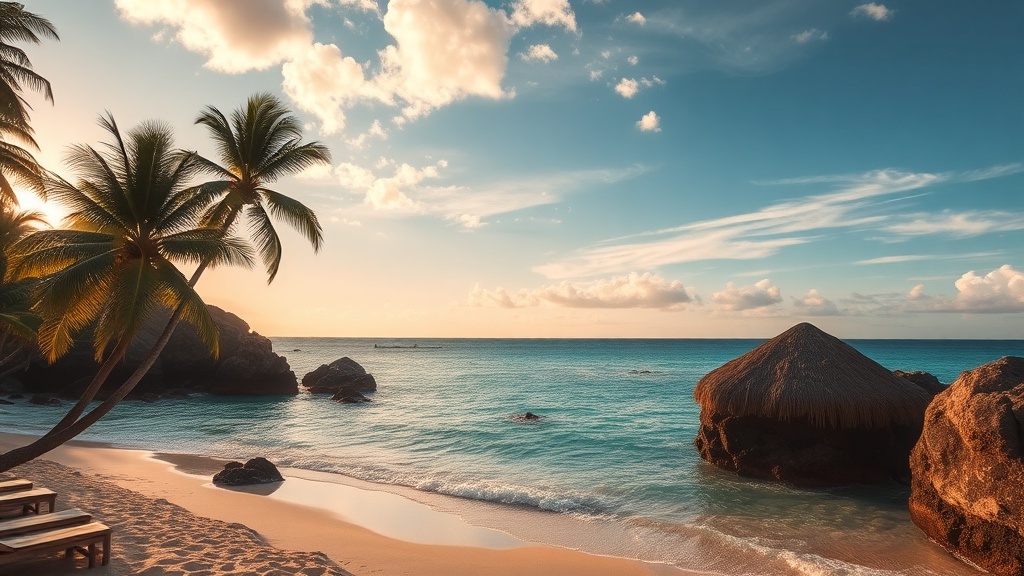
This listicle rounds up seven of the most stunning tropical shorelines on the planet—places where powder-soft sand meets warm turquoise water—and explains exactly why each one deserves a spot on this year's travel calendar. Whether you're planning a honeymoon, a solo escape, or a family getaway, these beaches deliver the kind of coastal beauty that turns an ordinary vacation into an unforgettable experience.
What are the best tropical beaches to visit this year?
The best tropical beaches to visit this year include Grace Bay in Turks and Caicos, Whitehaven Beach in Australia, Anse Source d'Argent in the Seychelles, Matira Beach in Bora Bora, Seven Mile Beach in Jamaica, Railay Beach in Thailand, and Tulum Beach in Mexico. Each offers distinct scenery, water conditions, and local culture that make it worth the flight.
Grace Bay Beach, Providenciales, Turks and Caicos
Grace Bay stretches for roughly twelve miles along the northern coast of Providenciales, and it's often ranked among the Caribbean's finest strips of sand. The water here is so calm it resembles glass, making it ideal for paddleboarding or simply floating without a care. Resorts like the Grace Bay Club line the shore, but public access points keep the beach open to everyone. Here's the thing: the coral reef system just offshore acts as a natural breaker, which means waves rarely crash hard. Snorkelers can spot sea turtles, rays, and colorful parrotfish within a short swim from the beach at the Bight Reef, also known as Coral Gardens. The beach falls within the Princess Alexandra National Park, so the ecosystem remains well protected. Pack a pair of OluKai flip-flops and a YETI cooler for the day, and you'll be set from sunrise to sunset.
Whitehaven Beach, Whitsunday Island, Australia
Whitehaven Beach sits in the heart of the Great Barrier Reef and boasts silica sand that is roughly ninety-eight percent pure, so fine it squeaks beneath bare feet. The water shifts from pale aqua to deep cobalt depending on the tide, and Hill Inlet provides one of the most photographed views in the Southern Hemisphere. Most visitors arrive by boat from Airlie Beach or Hamilton Island. That said, the beach is part of a national park, so there are no hotels directly on the sand—just untouched wilderness. Day trips operated by companies like Cruise Whitsundays get you there in about an hour, and many include a guided walk to Tongue Point for the classic swirling-sand vista. Don't forget Neutrogena Beach Defense SPF 70; the Australian sun doesn't mess around, especially at midday. For more details on reef conservation, check out National Geographic Travel.
Anse Source d'Argent, La Digue, Seychelles
Anse Source d'Argent looks like it was pulled straight from a desktop screensaver. Giant granite boulders frame shallow, warm pools where neon-colored fish dart between coral outcrops. The beach is located on La Digue, a small island where bicycles outnumber cars, so the pace stays deliberately slow. The catch? There's a small entrance fee to the L'Union Estate coconut plantation, which grants access to the beach. Many travelers agree it's worth every rupee. The location has even served as a backdrop for films and luxury perfume commercials. Beachfront restaurants serve freshly grilled red snapper and chilled Seybrew beer. For accommodations, look at Le Domaine de L'Orangeraie, a boutique property just a short bike ride away.
Matira Beach, Bora Bora, French Polynesia
Matira Beach is Bora Bora's largest public beach, and it delivers the overwater-bungalow fantasy without requiring a resort reservation. The sand slopes gently into a lagoon so shallow you can wade hundreds of feet offshore. Palm trees provide patches of shade, and local food trucks (called "roulottes") sell poisson cru and cold Hinano beer at sunset. Worth noting: Matira faces west, which means the sunsets here are spectacular—expect oranges, pinks, and purples that reflect off the calm surface. If you're flying in, Air Tahiti Nui offers direct service from Los Angeles to Papeete, followed by a short inter-island flight on Air Tahiti. You can also book a snorkel tour to swim with stingrays and blacktip reef sharks just beyond the lagoon's edge.
Seven Mile Beach, Negril, Jamaica
Despite its name, Seven Mile Beach actually runs about four miles along Negril's western tip. The sand is fine and golden, and the water stays bathtub-warm year-round. This is the kind of place where reggae drifts from beach bars and jerk chicken smokes over open pits. Sandals Negril and Beaches Negril anchor the northern end, but the middle sections remain relaxed and accessible. Here's the thing: Negril's cliffs sit just a short drive south, so you can combine beach time with cliff-jumping at Rick's Cafe. JetBlue and Delta both offer nonstop flights into Montego Bay from several U.S. cities. Local vendors sell fresh coconut water and sugarcane juice right on the sand, often for less than five dollars.
Railay Beach, Krabi, Thailand
Railay isn't an island, but it might as well be. Limestone karsts cut it off from the mainland, so visitors arrive by longtail boat from Ao Nang. The result is a secluded peninsula with some of Thailand's best rock climbing, kayaking, and yes—beach lounging. Railay West faces the Andaman Sea and offers the softest sand, while Railay East has a more local feel with fewer swimmers. The catch? High tide can swallow much of Railay West's sand, so morning visits are best. Budget travelers can find clean bungalows for under fifty dollars a night, and fresh pad thai costs less than a latte back home. Nearby Phra Nang Cave Beach (often called Princess Cave Beach) features a shrine dedicated to a fertility goddess and some of the most dramatic limestone backdrops in the country.
Tulum Beach, Riviera Maya, Mexico
Tulum Beach combines Caribbean beauty with ancient Maya ruins perched on seaside cliffs. The sand is white, the water is that impossible shade of turquoise, and the palm groves are dotted with boutique eco-resorts. Unlike Cancun's high-rise hotel zone, Tulum keeps buildings low and vegetation high. That said, seaweed (sargassum) can occasionally affect the shoreline during summer months, so check recent reports before booking. For a reliable sunscreen that won't harm coral reefs, grab a bottle of Sun Bum Mineral SPF 50. The beach is about ninety minutes south of Cancun International Airport, and ADO buses run the route several times daily. When you're ready for a break from the sand, the nearby Sian Ka'an Biosphere Reserve offers kayaking through mangroves and floating down natural canals.
Which tropical beach has the clearest water?
Grace Bay Beach in Turks and Caicos consistently ranks at the top for water clarity, with underwater visibility often exceeding one hundred feet on calm days. The reason is simple: there's very little river runoff on Providenciales, and the offshore reef filters sediment before it reaches the shore. The water is also strikingly shallow near the beach, which allows sunlight to bounce off the white sand bottom and create that glowing turquoise effect. Snorkelers and photographers love it because subjects stay sharp even when shot from above the surface. For the absolute best clarity, head out on a windless morning and swim the north shore near Smith's Reef. If crystal-clear water is the top priority, Grace Bay is hard to beat.
What is the most affordable dreamy tropical beach destination?
Railay Beach in Thailand offers the most affordable dreamy tropical experience without sacrificing scenery, with budget bungalows, inexpensive street food, and free natural attractions. While Bora Bora and Turks and Caicos cater to luxury travelers, Thailand's Krabi province welcomes backpackers and families alike. Here's a quick look at how three of these destinations stack up:
| Destination | Average Hotel Night | Meal Cost | Best For |
|---|---|---|---|
| Railay Beach, Thailand | $40–$120 | $3–$8 | Budget travelers, rock climbers |
| Seven Mile Beach, Jamaica | $150–$400 | $10–$25 | Mid-range vacations, music lovers |
| Matira Beach, Bora Bora | $500–$1,500+ | $25–$60 | Honeymooners, luxury seekers |
The table makes it obvious: your dollar stretches furthest in Southeast Asia. That said, Jamaica offers a solid middle ground with all-inclusive options that can actually save money if you plan to eat and drink on property most of the time. For budget breakdowns by region, Lonely Planet provides updated cost guides.
When is the best time to visit tropical beaches?
The best time to visit most tropical beaches is during the dry season, which typically runs from December through April in the Caribbean and Southeast Asia, and from May to October in French Polynesia. During these windows, rainfall is lower, humidity feels more manageable, and the ocean stays flat enough for boating and snorkeling. The catch? Everyone else knows this too, so prices spike and crowds thicken. In the Caribbean, hurricane season stretches from June to November, which brings lower rates but also unpredictable weather. Worth noting: the National Weather Service tracks regional climate patterns that can help narrow down exact weeks. For Australia, Whitehaven Beach shines brightest between June and October when the Great Barrier Reef avoids stinger season and the humidity drops. Planning around these calendars can mean the difference between a soggy afternoon and a perfect beach day.
Whether you end up sipping a cocktail on Matira Beach or cycling to Anse Source d'Argent at dawn, the right tropical shoreline is waiting. Start checking flight deals, update the passport, and pick the spot that matches both your budget and your definition of paradise.